Business
China shifts growth strategy toward consumer spending in new five-year plan
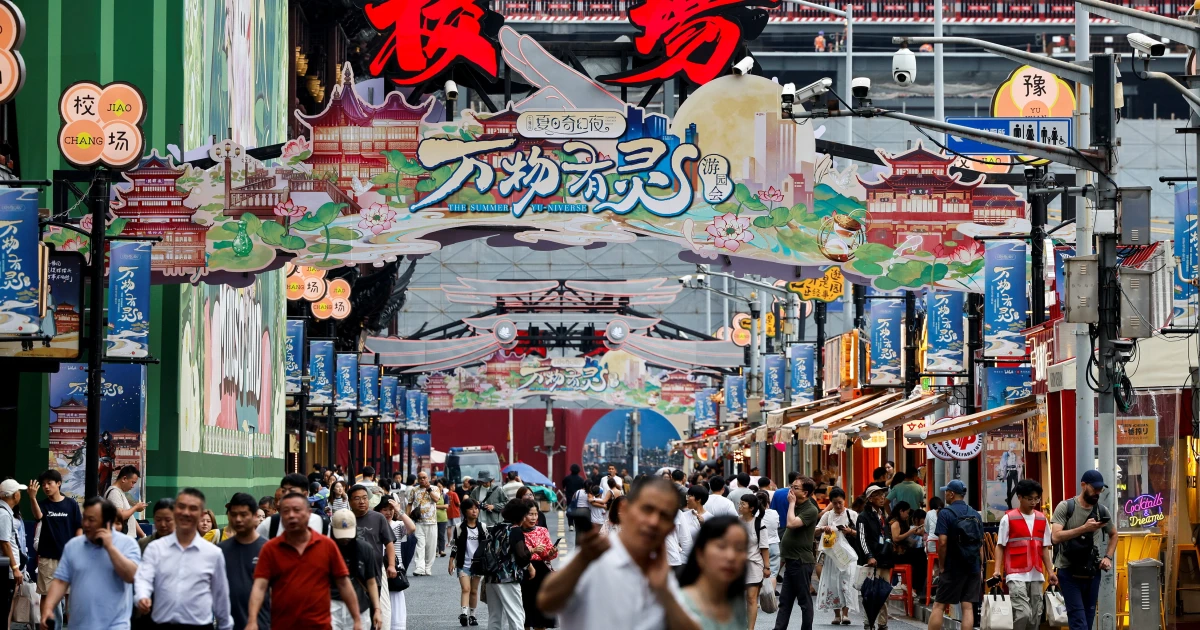
China’s State Council approved a five-year plan on July 13 that puts consumer spending at the center of the country’s next growth push, setting a target of roughly 60 trillion yuan, or about $9 trillion, in annual retail sales by 2030. The policy lands at the heart of a contradiction Beijing has struggled with for years: officials want households to spend more, but consumers tend to hold back when wages, housing values and social protections feel uncertain.
The plan covers the 2026 to 2030 period and marks a clear shift in emphasis away from the investment-heavy model that powered much of China’s expansion. It points instead to services-led demand at home, with elderly care, childcare, healthcare, culture, tourism, sports and education singled out as priority areas. Beijing is aiming for retail sales growth of about 3.7% a year through 2030, slower than the roughly 5% pace seen from 2021 to 2025, underscoring the cooling momentum in goods consumption.
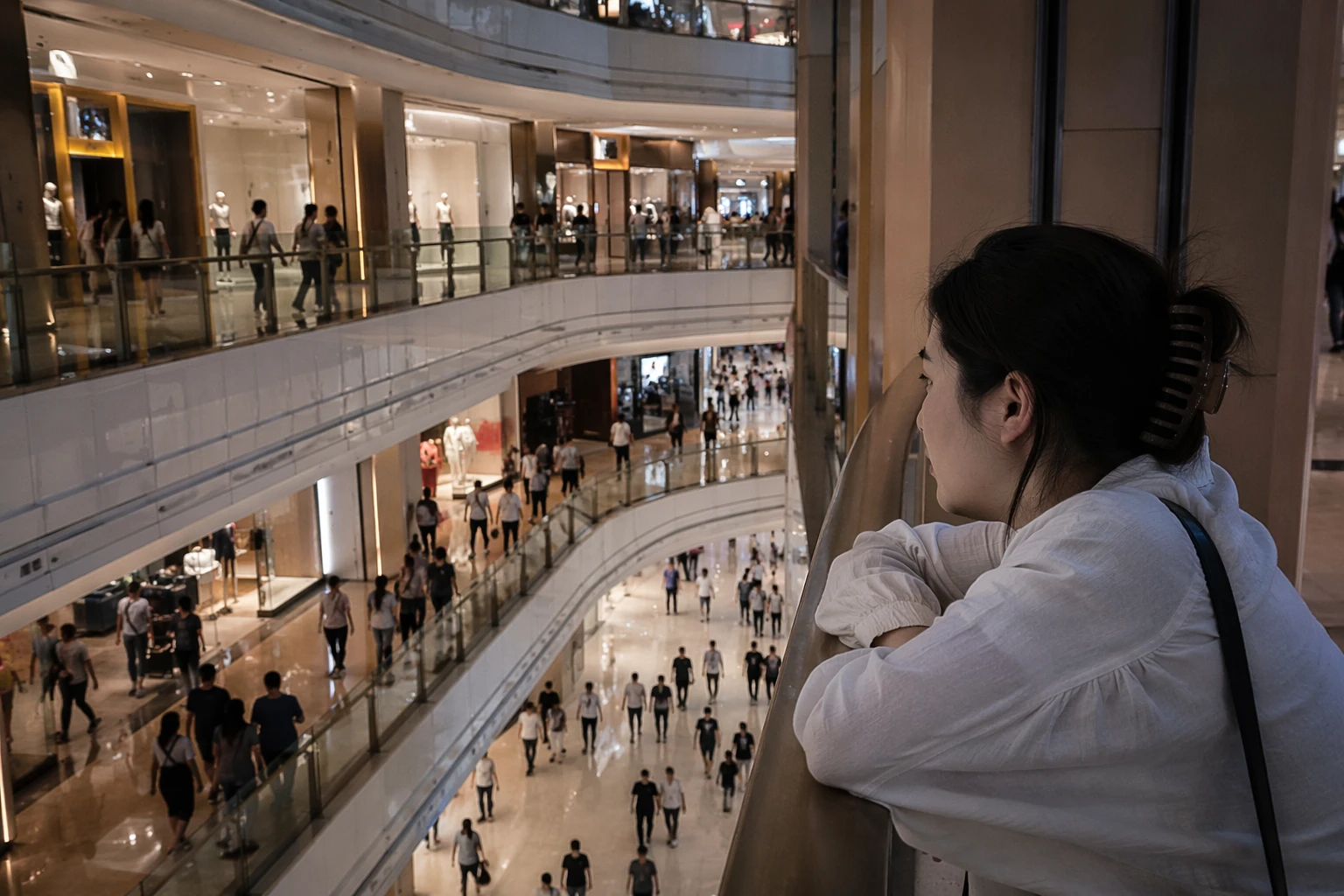
The scale of that change is easier to see in the latest official numbers. China’s retail sales of consumer goods reached 50.12 trillion yuan in 2025, up 3.7% from a year earlier, according to the National Bureau of Statistics of China. Final consumption expenditure contributed 52% to economic growth in 2025, and the average contribution rate for 2021 to 2025 was 58.8%, showing that consumption has already become a bigger growth engine even if it still trails the investment and export channels that long dominated the economy.
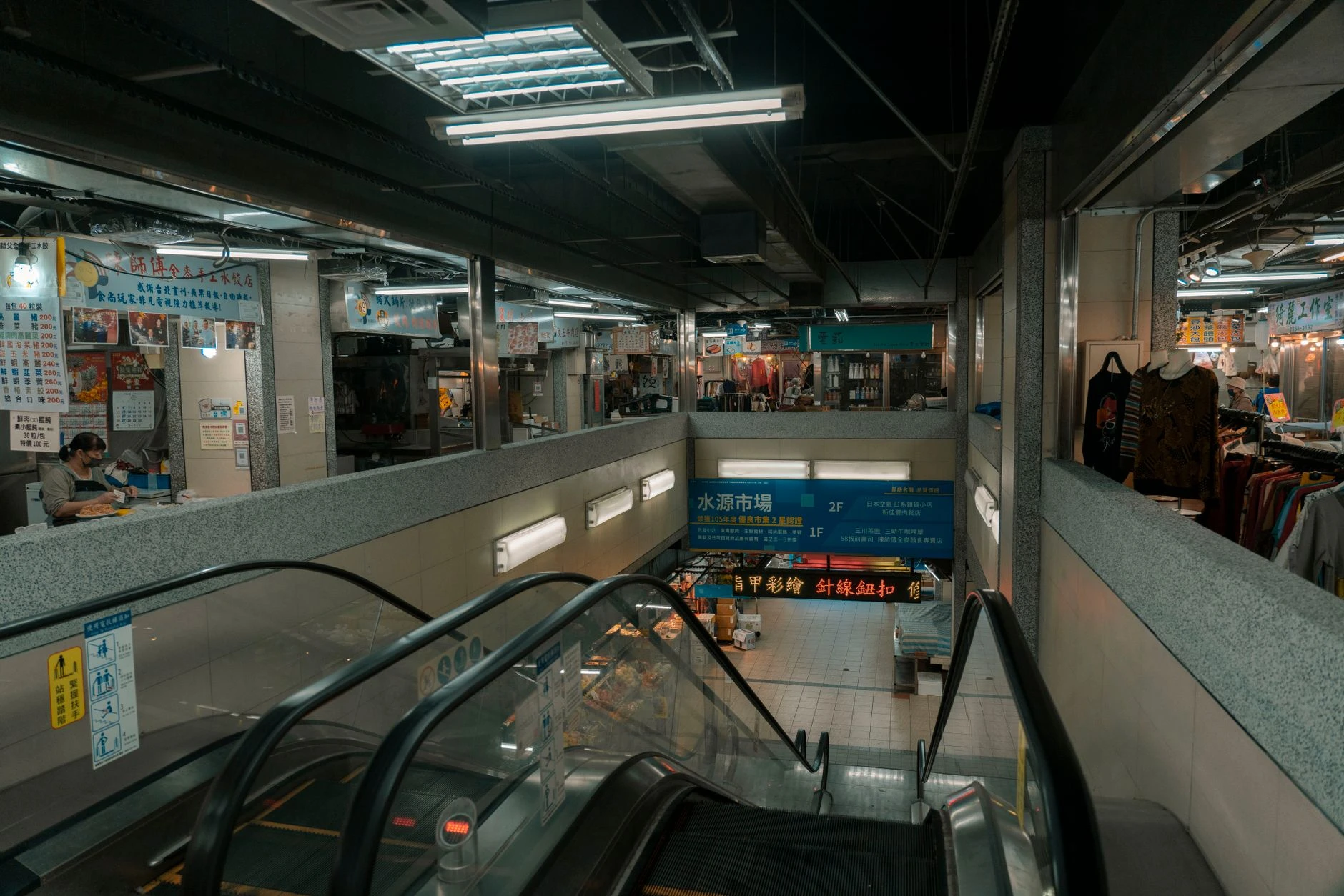
Still, the household side of the ledger remains weak by international standards. World Bank data put household and NPISHs final consumption expenditure at 39.97% of China’s GDP in 2024, leaving Beijing far below the consumption shares typical of more mature consumer economies. That gap helps explain why policymakers are now trying to push services spending and broaden domestic demand rather than rely so heavily on factories, construction and overseas sales.

China’s state planner signaled the shift earlier, saying in January it would roll out consumption-boosting policies from 2026 to 2030 and focus on services consumption. The new plan gives that ambition formal backing, but it also raises the political test ahead: households will not spend more unless they have more income, stronger pensions and better safety nets. If Beijing cannot deliver those reforms, the latest blueprint risks becoming another call for consumers to drive growth without giving them enough reason to do it.