World
China spacecraft reaches mysterious near-Earth asteroid Kamooalewa
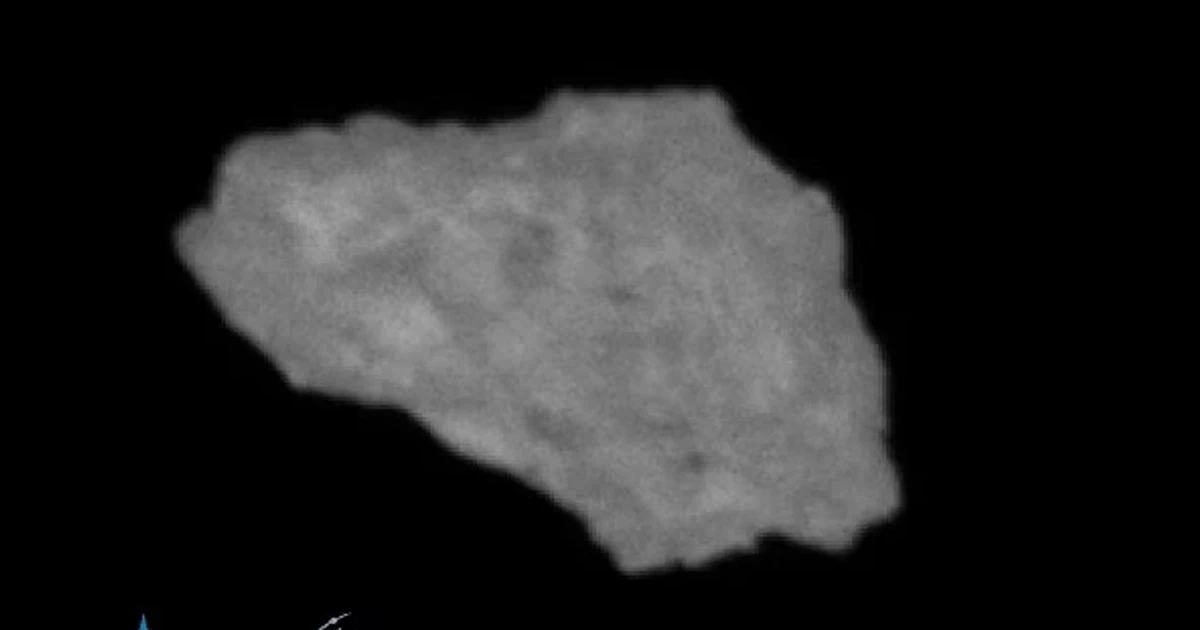
China's Tianwen-2 probe reached Kamooalewa after a roughly 400-day journey of about 1 billion kilometers, coming to within about 20 kilometers of the asteroid and capturing its first detailed image. The arrival made China the first nation to send a spacecraft to 469219 Kamooalewa, a tiny near-Earth object that has become a high-value target for planetary science and for demonstrating deep-space reach.
The mission matters because Kamooalewa is not a true moon, but one of Earth’s seven known quasi-moons, an object that loops around the Sun in a way that makes it appear to accompany Earth. That unusual orbit, combined with the asteroid’s close stability, gives scientists a rare chance to study how small bodies move through near-Earth space and whether some of them may trace back to larger worlds. China has made the probe its first asteroid sample-return mission, turning the flyby into a test of precision navigation, sampling technology and long-distance operations.
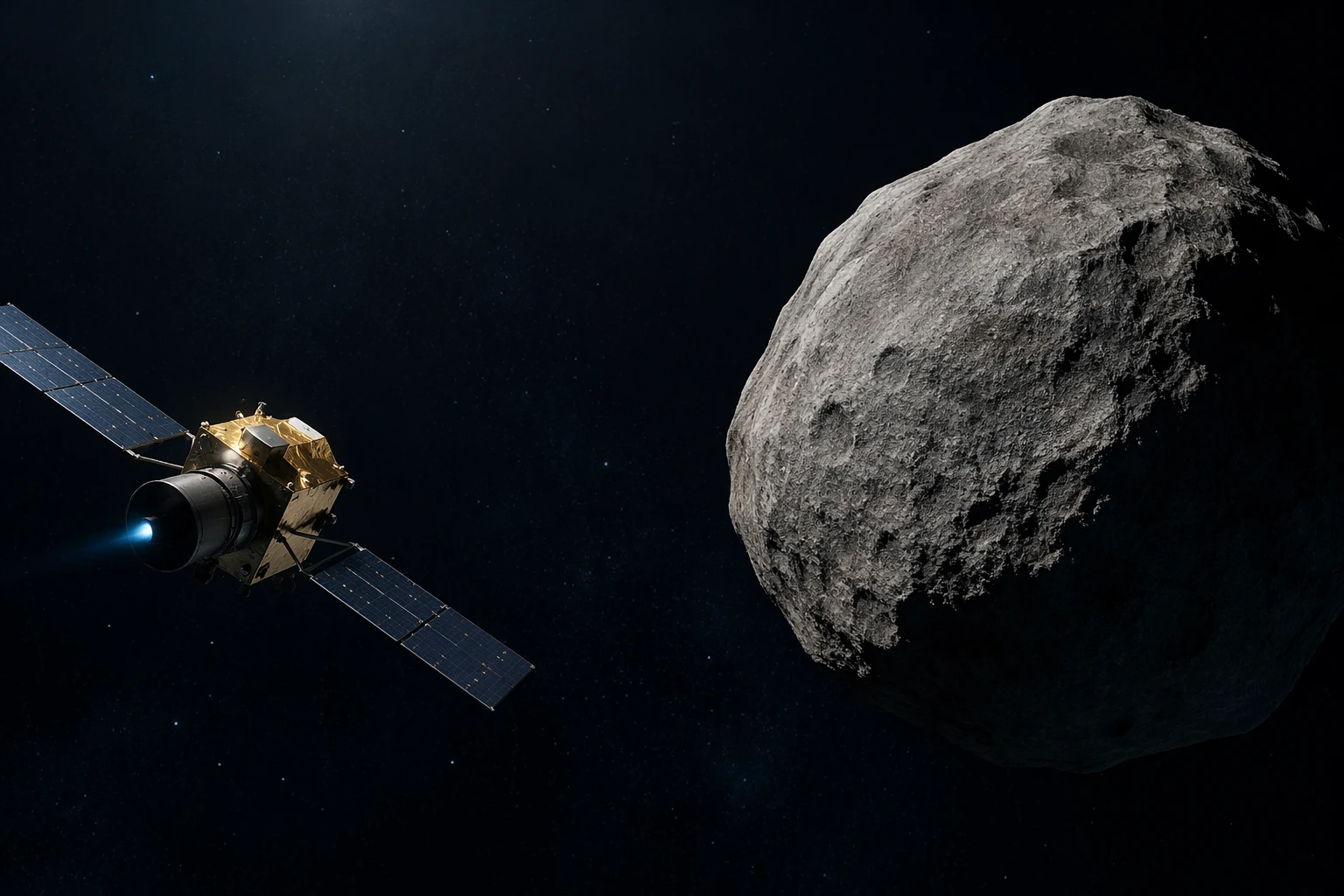
Tianwen-2 lifted off on May 29, 2025, from the Xichang Satellite Launch Center in Sichuan Province aboard a Long March 3B rocket. After its work at Kamooalewa, the spacecraft is scheduled to continue toward the main-belt comet 311P/PANSTARRS, extending the mission from a single target into a longer campaign that spans both near-Earth and main-belt science. That two-step plan underscores the broader strategic value of the mission: it is not only about one asteroid, but about proving that China can move from rendezvous to sampling and then on to another deep-space destination.
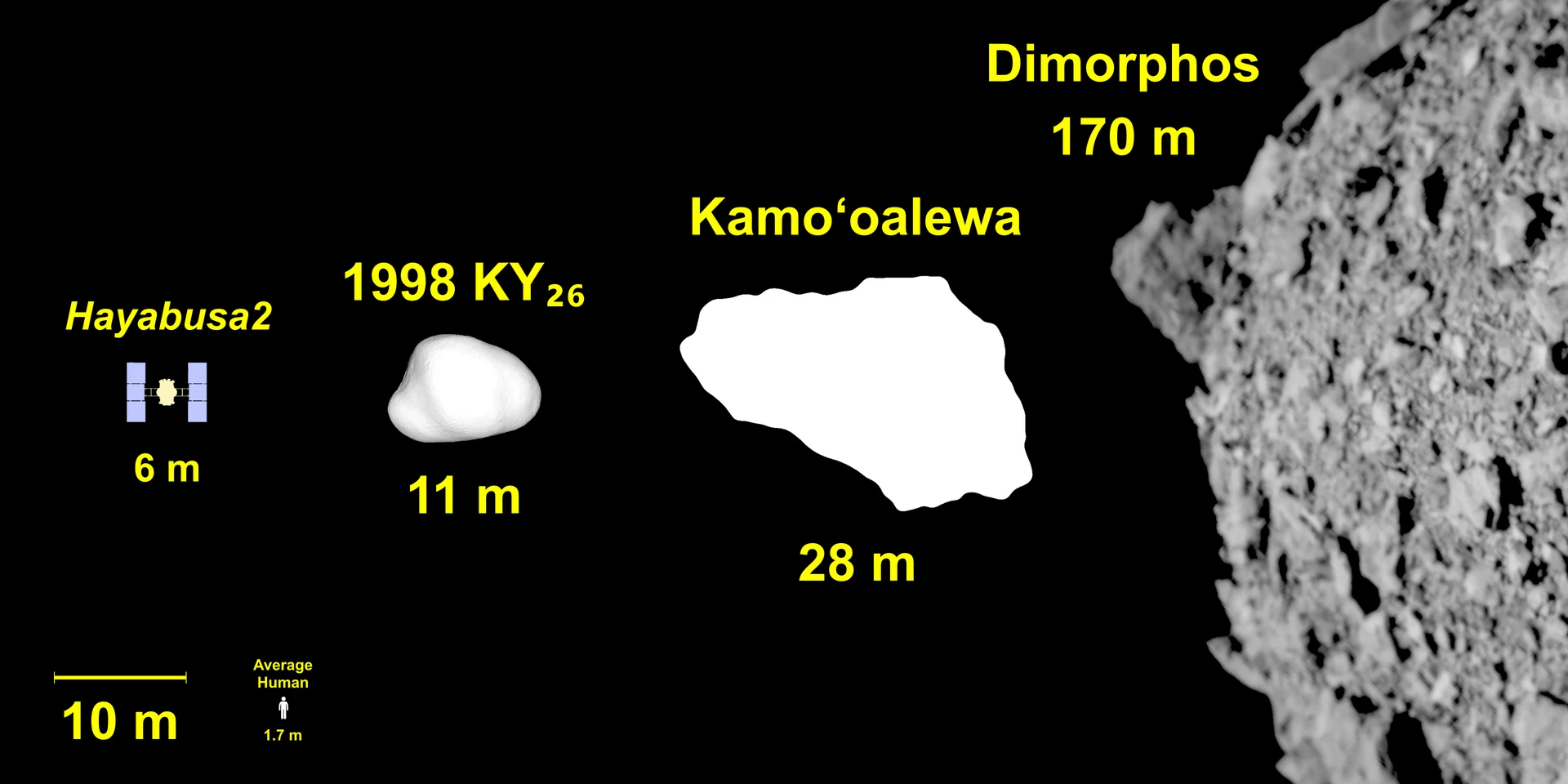
Kamooalewa itself was discovered by Pan-STARRS at Haleakala Observatory on April 27, 2016. It is only about 27 meters across and spins once every 28 minutes, a rotation rate that makes close approach and sample collection especially difficult. Some scientists have hypothesized that it may be a fragment of the Moon blasted into space by a major impact, though that idea remains a hypothesis rather than a settled conclusion. Observations from the James Webb Space Telescope in February 2026 added another wrinkle, finding that the asteroid’s reflectance spectrum was less red than earlier ground-based measurements had suggested.
The spacecraft’s first close-up image, taken on July 2, 2026, marked a milestone for both the mission and China’s standing in small-body exploration. In a field where hardware, timing and trajectory control are tightly linked to national prestige, Tianwen-2 has already delivered a demonstration of capability, with sample return still to come later in the program.
Sources
- [1]news.google.com
- [2]yahoo.com
- [3]thesheffieldpress.com
- [4]space.com
- [5]nytimes.com
- [6]english.scio.gov.cn