World
China submarine missile test spotlights nuclear deterrent challenges
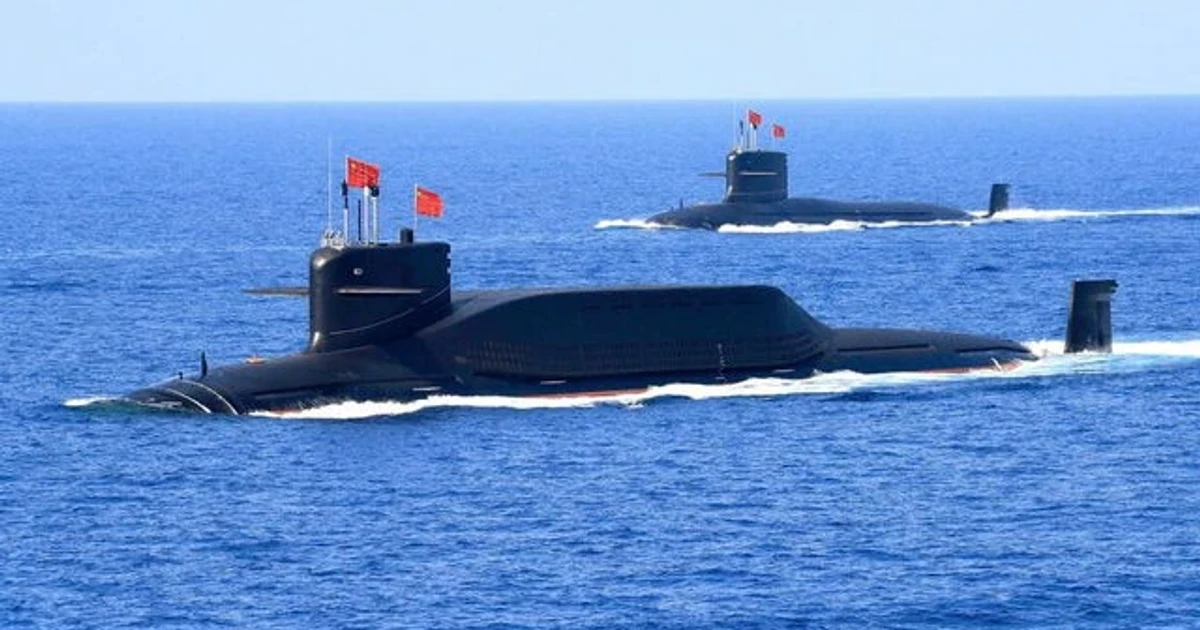
China fired a submarine-launched ballistic missile into the southern Pacific on Friday, giving military planners a close look at how far Beijing has advanced toward a survivable sea-based nuclear deterrent. The test mattered less as a hardware display than as a measure of whether China can keep a nuclear-armed submarine hidden, connected and ready to launch under tight political control.
The launch raised questions about command, control and communications for submarines operating at sea, where even the strongest navies struggle to maintain secure links without exposing a vessel’s position. That problem is sharper for China because the Communist Party insists on close oversight of the armed forces, making a genuine at-sea strike capability as much an organizational challenge as a technical one.
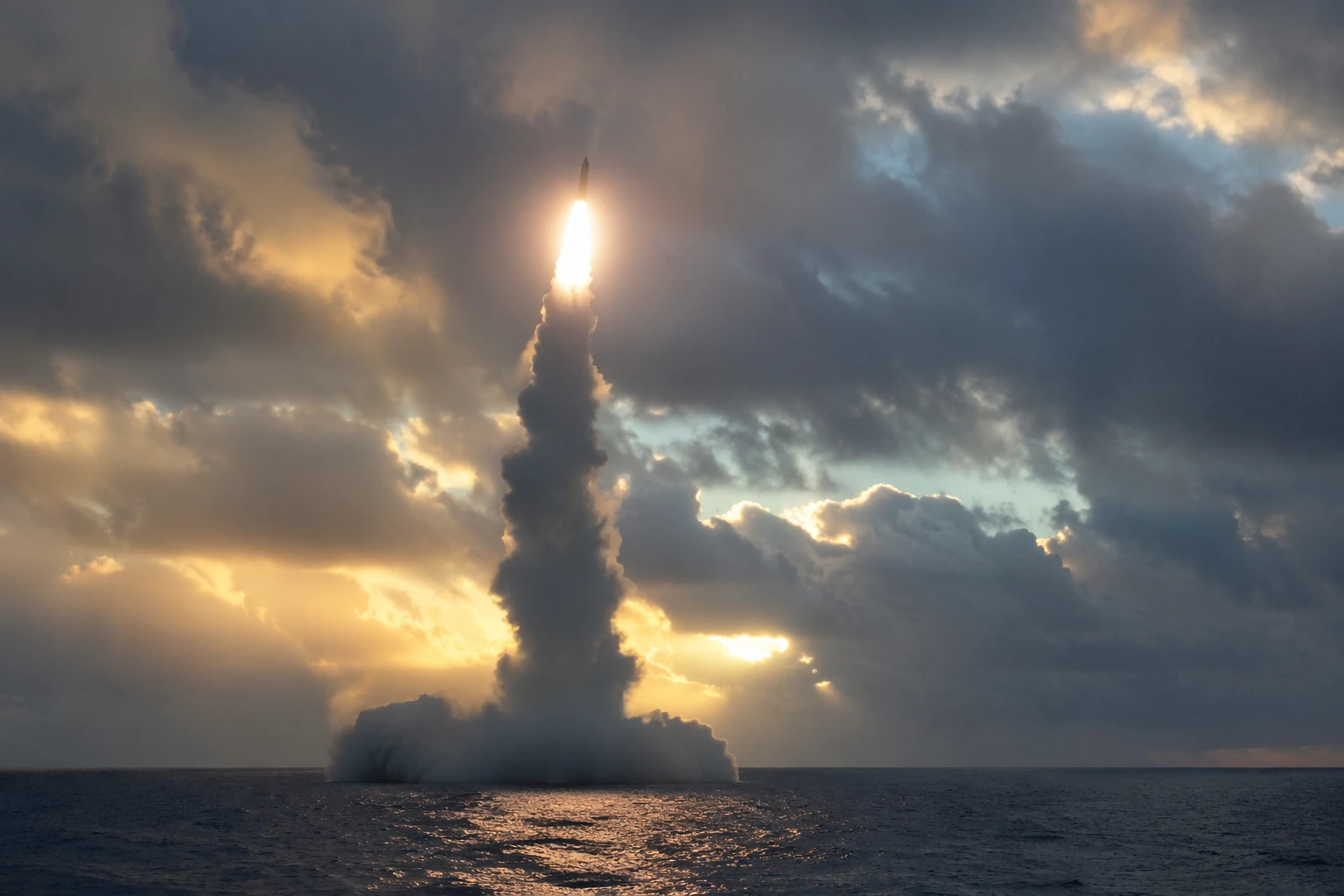
Analysts and diplomats said the launch would help Chinese leaders judge whether the country is moving closer to an operational posture that can support a real second-strike deterrent rather than a symbolic demonstration. That distinction matters in any crisis: a force that can survive an opening attack and still retaliate is harder to disarm, and therefore harder to deter.
The missile and submarine may not yet be able to threaten the continental United States credibly, but they could still reach Guam or Hawaii, targets that would carry major weight in any Pacific conflict. The U.S. described the projectile as an intercontinental ballistic missile that landed in the southern Pacific Ocean, adding to unease among regional planners watching China’s nuclear modernization accelerate.
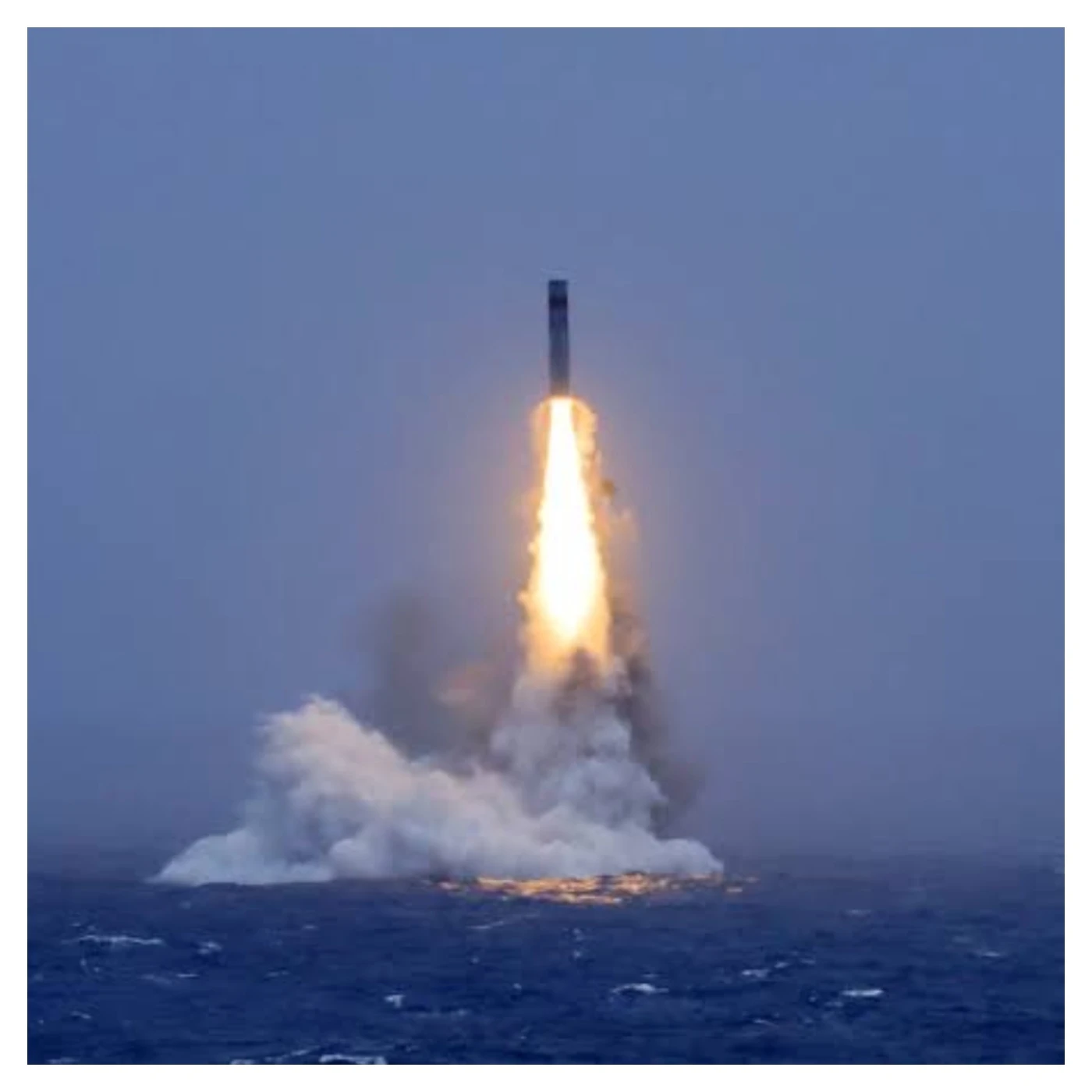
Chinese state media cast the launch as a routine drill and said it was not aimed at any specific target. China’s defense ministry said the test complied with international law and practice, and said the country’s nuclear modernization is intended to safeguard strategic security and global stability.

The launch was China’s most significant long-range ballistic missile test since September 2024, a sign that Beijing is not only refining a system but also signaling its intent to make that system count. For U.S. and allied commanders, the key question is no longer whether China can build submarine-launched nuclear weapons, but whether it can keep them at sea, keep them under control and make them credible enough to change the balance of deterrence in the Pacific.
Sources
- [1]usnews.com