Business
China targets key U.S. rare earth firms in export retaliation
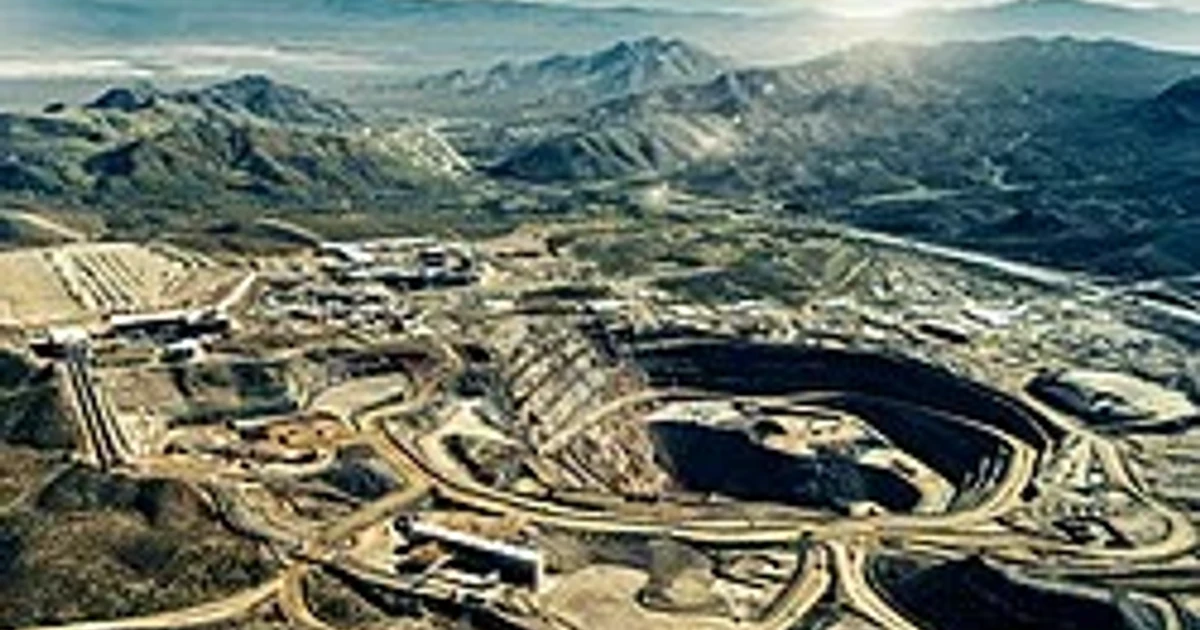
China escalated its fight over critical minerals by adding MP Materials and USA Rare Earth to its export control list, cutting off Chinese dual-use exports to the two companies immediately. The move also swept in eight other U.S. entities that Beijing said were tied to the American military, sharpening a supply-chain clash that now reaches from rare-earth mines to magnets used in defense systems, electric vehicles and industrial equipment.
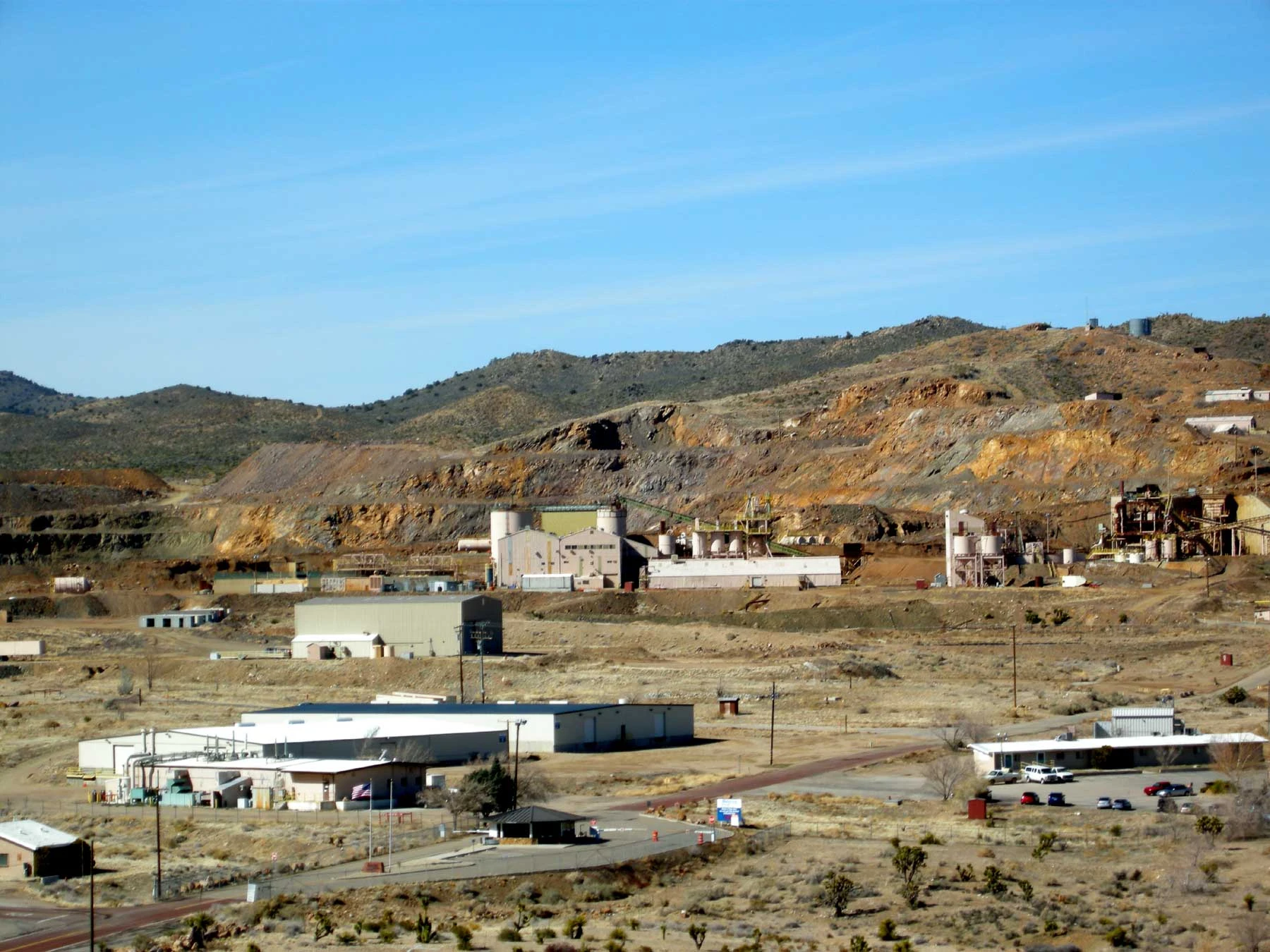
The hit on MP Materials carries outsize weight because the company runs the only active rare earth mine in the United States. Together with USA Rare Earth, it sits near the center of Washington’s effort to rebuild a domestic mine-to-magnet supply chain after years of dependence on China. Analysts said the action was largely symbolic because many of the targeted firms do little or no business in China, but it still underscored Beijing’s leverage over materials that Washington has worked to onshore.
The confrontation has been building for more than a year. China’s restrictions in April 2025 on heavy rare earths and permanent magnets disrupted defense, semiconductor, automotive and other industrial supply chains, prompting a broad U.S. response that included billions in financing, guaranteed government offtake, price floors at $110 per kilogram, Project Vault and new partnerships with Australia, Japan, Malaysia and Saudi Arabia. China then reimposed stricter controls in October 2025 before Donald Trump and Xi Jinping agreed at the end of that month to suspend export restrictions for one year.
Even with that pause, the pressure has not eased. House Select Committee leaders said in June 2026 that China still controlled more than 90 percent of the magnet supply chain, making rare earths a persistent choke point for U.S. manufacturing and defense. In the same month, bipartisan lawmakers introduced the Magnets Value Chain Support Act to create tax credits for U.S. rare earth oxide production, metallization, magnet manufacturing and alternative chemistries.
The latest Chinese retaliation landed alongside broader trade measures. China’s finance ministry said it was excluding 46 U.S. companies from government procurement projects, most of them defense contractors. That came as the Pentagon expanded its 1260H list of Chinese firms it believes support Beijing’s military, adding Alibaba, Baidu and BYD. The 1260H designation does not trigger immediate sanctions, but it can block Defense Department direct contracts starting June 30, with indirect procurement restrictions set to follow in 2027.
The stakes reach far beyond one pair of firms. China granted temporary export licenses to suppliers for the top three U.S. automakers in June 2025 after shortages began to surface, and Ford said it had shut down production of its Explorer SUV at its Chicago plant for a week in May because of a rare-earth shortage. That kind of disruption shows how quickly a rare-earth squeeze can move from policy confrontation to factory floor, leaving Washington’s industrial strategy exposed to Beijing’s control over a market it still dominates.
Sources
- [1]nytimes.com
- [2]money.usnews.com
- [3]csis.org
- [4]chinaselectcommittee.house.gov
- [5]cnbc.com