World
China tests ICBM into Pacific, signaling nuclear reach to U.S.
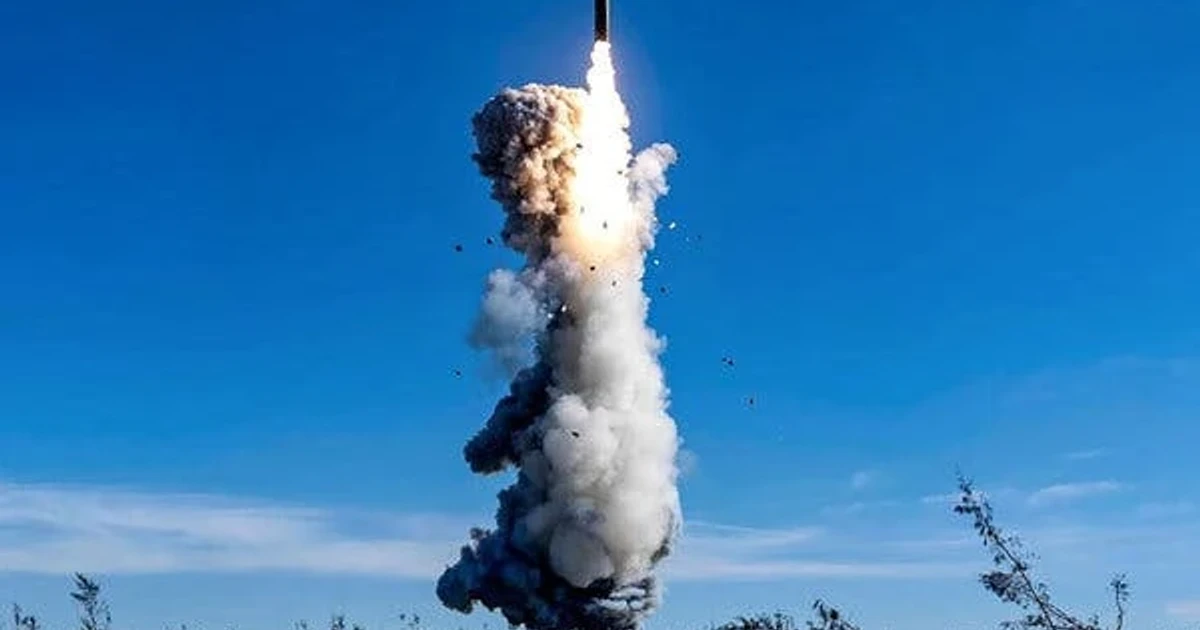
China launched an intercontinental ballistic missile into the Pacific Ocean on Sept. 25, 2024, in a rare public test that projected the country’s nuclear reach far beyond its borders. The Chinese Ministry of National Defense said the People’s Liberation Army Rocket Force fired the missile at 8:44 a.m. Beijing time from Hainan Island, that it carried a dummy warhead, and that it fell into the expected sea area as part of the annual training plan.
The launch marked China’s first publicly acknowledged ICBM test into international waters since 1980, when a DF-5 was sent from the Jiuquan Satellite Launch Center into the Pacific. Analysts later estimated the 2024 missile’s reentry vehicle landed about 11,700 kilometers away in the South Pacific near French Polynesia, a distance that underscored how far China can now send its strategic forces.
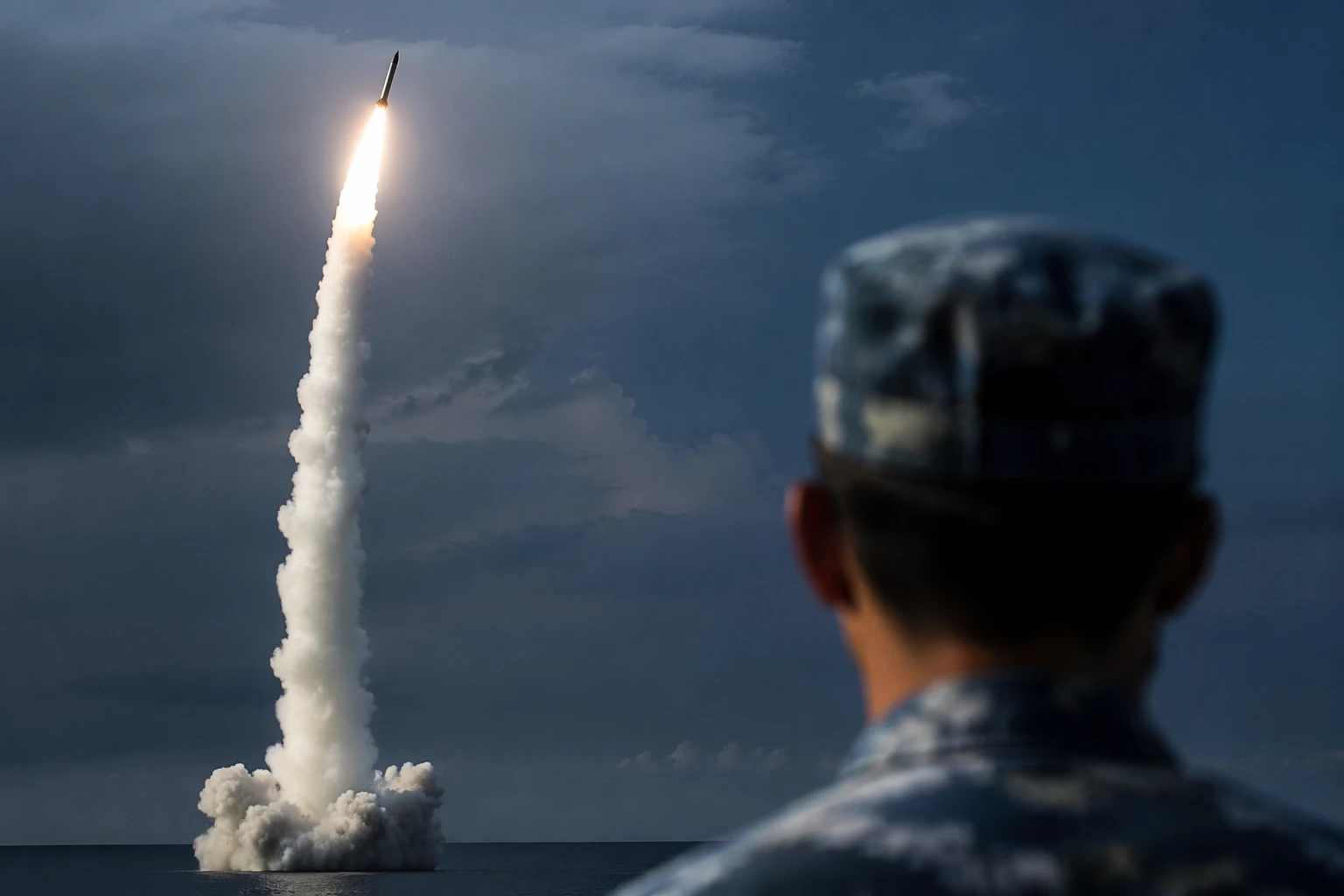
That distance also sharpened the political signal. Beijing has long conducted nuclear missile tests inside its own territory, but a shot over open ocean carries a different message: China is willing to show that its deterrent can reach the United States and that it is narrowing the gap with Washington. The launch came as China’s arsenal is expanding quickly. The Pentagon said in its 2024 China Military Power Report that China had more than 600 nuclear warheads in mid-2024 and could exceed 1,000 by 2030. The Stockholm International Peace Research Institute estimated China’s stockpile at 500 warheads in January 2024, up from 410 a year earlier, and said Beijing may now be deploying some warheads on missiles during peacetime.
Washington and regional capitals read the test as part of that buildup. The U.S. State Department said it monitored the launch and called Beijing’s rapid and opaque nuclear weapons expansion a matter of great concern. It urged China to enter arms-control talks and provide regular advance notification for ICBM and space launches. Japan, Australia and New Zealand also voiced concern, reflecting how closely Pacific governments are tracking the changing strategic balance.
Classified New Zealand documents later suggested officials in Wellington believed China had downplayed the importance of the launch and that the test was not routine. For planners in the United States and the Pacific, the combination of an ocean crossing, a dummy warhead and a public acknowledgment from Beijing makes the same point: China is no longer trying only to protect its own coastline. It is signaling power across the Pacific.
Sources
- [1]nytimes.com
- [2]state.gov
- [3]eng.mod.gov.cn
- [4]apnews.com
- [5]fas.org
- [6]sipri.org
- [7]factcheck.afp.com
- [8]hongkongfp.com