Technology
China tightens protection for chip designs amid semiconductor race
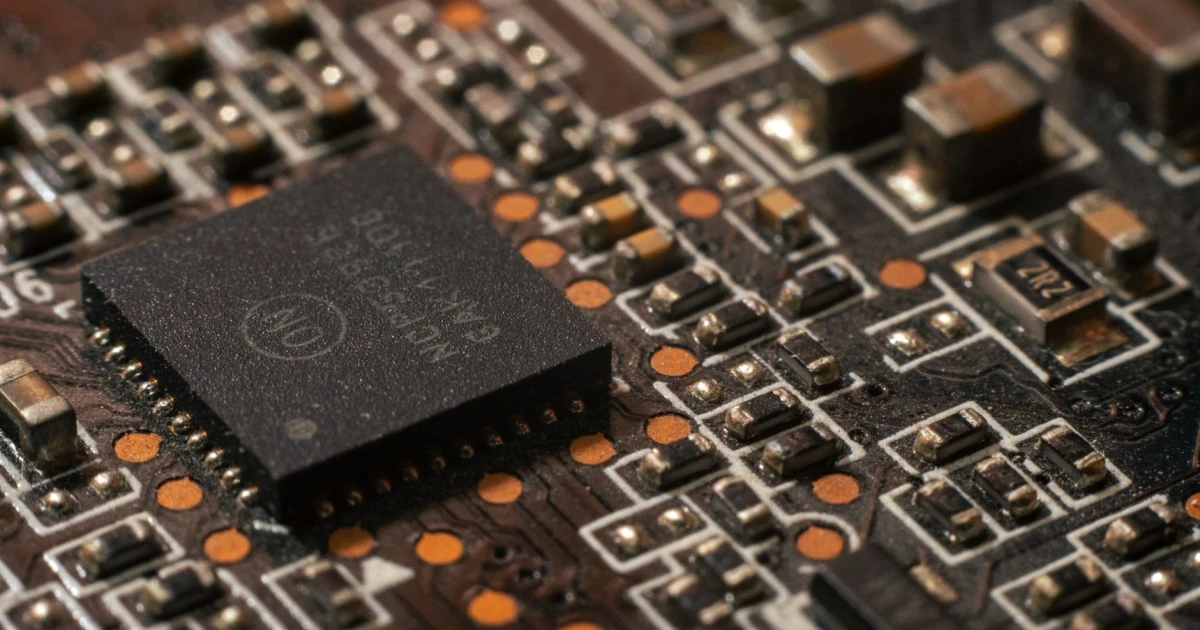
China will tighten protection for integrated-circuit layout designs on Oct. 15 after Premier Li Qiang signed a State Council decree issuing a revised regulation on the protection of layout-designs of integrated circuits. The update marks the first major overhaul of China’s chip-layout rules since 2001 and adds tougher registration standards and stronger penalties for serious infringement.
The revised rules go well beyond a technical clean-up. They are aimed at protecting the detailed layouts that determine how components are arranged within a chip, the kind of design work that can reflect substantial engineering effort even for companies that do not manufacture chips themselves. Chinese authorities are also expanding the regime to cover photonic and quantum integrated circuits, a sign that Beijing wants its intellectual property rules to keep pace with the most advanced parts of the semiconductor industry.

The changes fit squarely inside China’s broader push to build a more self-sufficient semiconductor ecosystem while U.S. export controls and technology restrictions continue to pressure Chinese firms. Stronger legal protection for chip designs could make domestic research and development more attractive if companies believe their layouts, architecture and related intellectual property will face better enforcement. It may also give Beijing another argument that China is a more orderly venue for advanced technology investment, even as geopolitical risk remains high.

The revised framework also appears designed to make infringement risk more costly. The new rules allow punitive damages for serious violations, with one summary citing awards of up to five times actual damages in severe cases. They also introduce third-party revocation procedures, giving outside parties a new route to challenge registrations. Together, those changes suggest a more aggressive enforcement model aimed at discouraging copying and tightening control over who can claim rights to valuable chip designs.
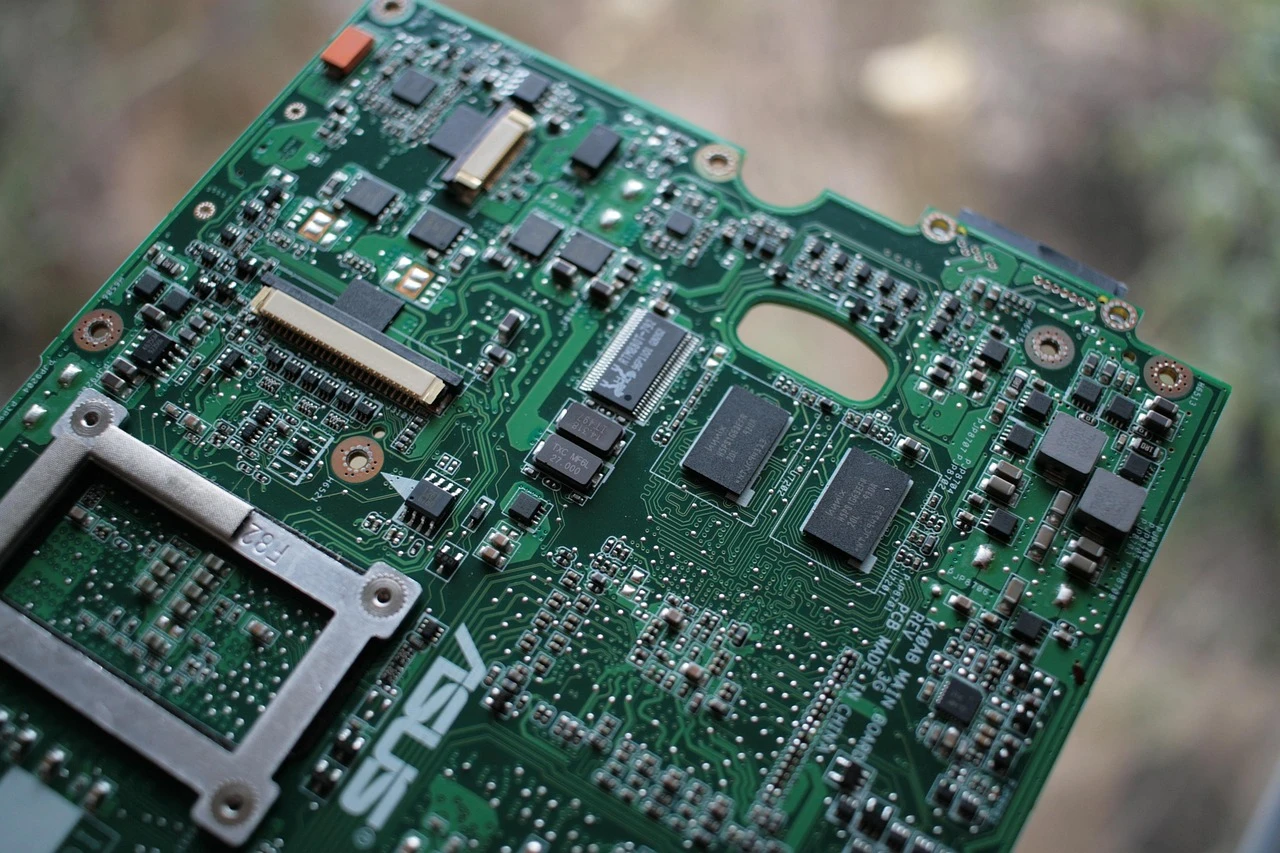

For U.S. firms and other foreign players, the move could cut both ways. Stronger protections may improve confidence in licensing, joint ventures and local partnerships, but they also raise the stakes in disputes over ownership, reverse engineering and use of layouts across product lines. In a race increasingly defined by intellectual property as much as fabrication capacity, China’s revised rules show that chip competition is now being fought in courts and registration offices as well as in fabs.