US News
China trip makes LA mom rethink solo parenting style
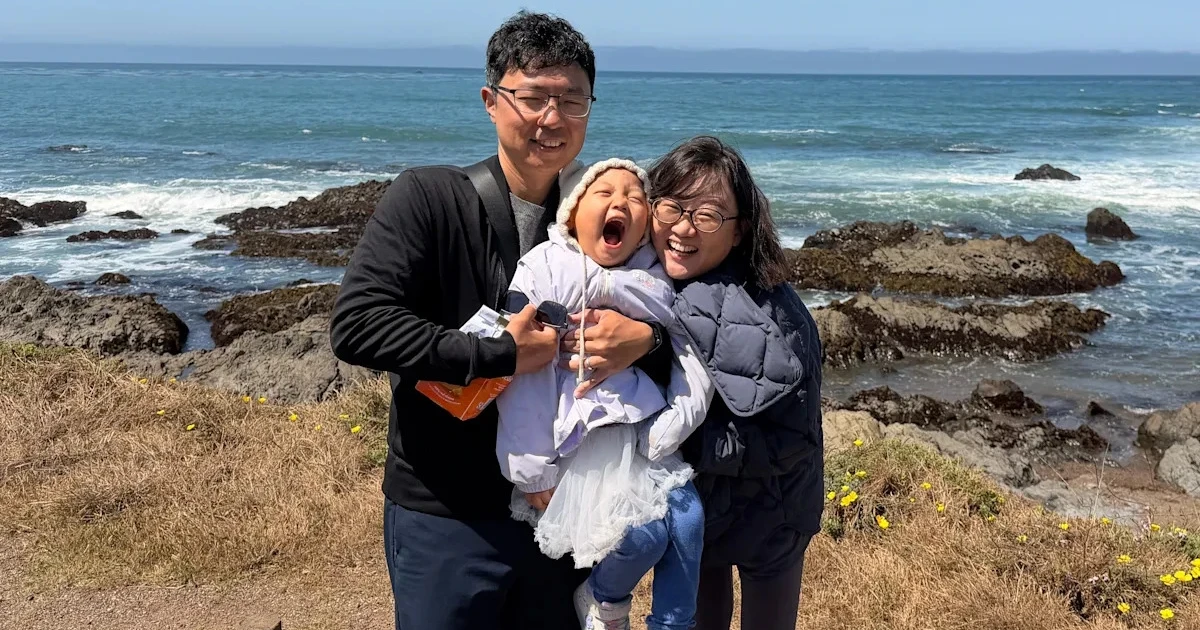
Grace Cong Sui thought she knew what it meant to raise a child on her own in Los Angeles until a two-month stay in Qingdao put another model in front of her. Back in China with her 3-year-old daughter around Lunar New Year, she found a preschool that shared daily details, family members who could step in at once, and a pace of childcare that made her question how much of her parenting style had been shaped by American isolation rather than personal choice.
A return to China reopened a family system she had left behind
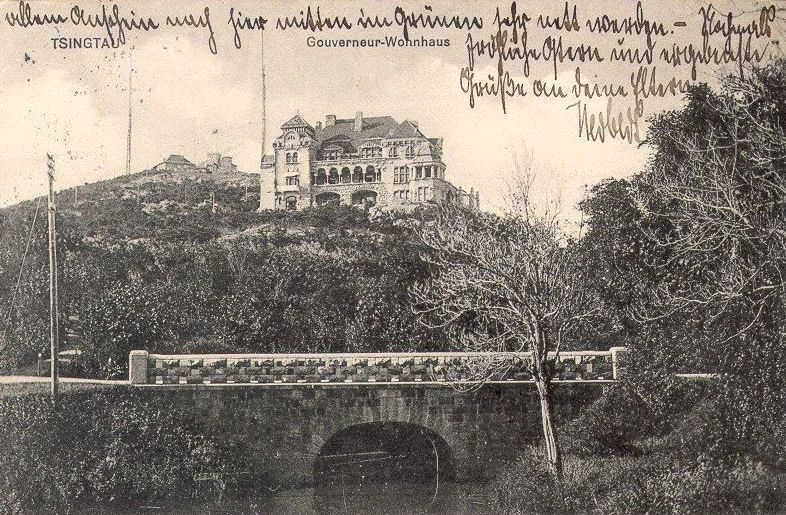
Qingdao, a coastal city about halfway between Beijing and Shanghai, became the setting for an unusually close comparison between two childhood systems. Sui grew up in Shandong Province in the 1990s, when extended family was woven into daily life: grandparents took turns living with the family, someone was always waiting at the school gate, and relatives covered school holidays so her parents could keep focusing on their careers.
That memory mattered more during this trip because she was no longer the child. She was the mother, arriving in China with a daughter she had been raising in Los Angeles without family nearby. The visit also gave her time to reconnect with old college friends and to lean on her parents for childcare help, a level of backup she did not have in the United States.
The preschool in Qingdao made daily life visible in a way Los Angeles never did
For two months, Sui’s daughter attended a local preschool in Qingdao, and the school’s communication was detailed enough to turn each day into a report card of daily life. Sui received updates on eating, napping, mood and classroom activities, along with photos showing her child eating, reading and playing. In Los Angeles, she had leaned on parenting books, expert advice and trial and error because no extended family lived nearby.
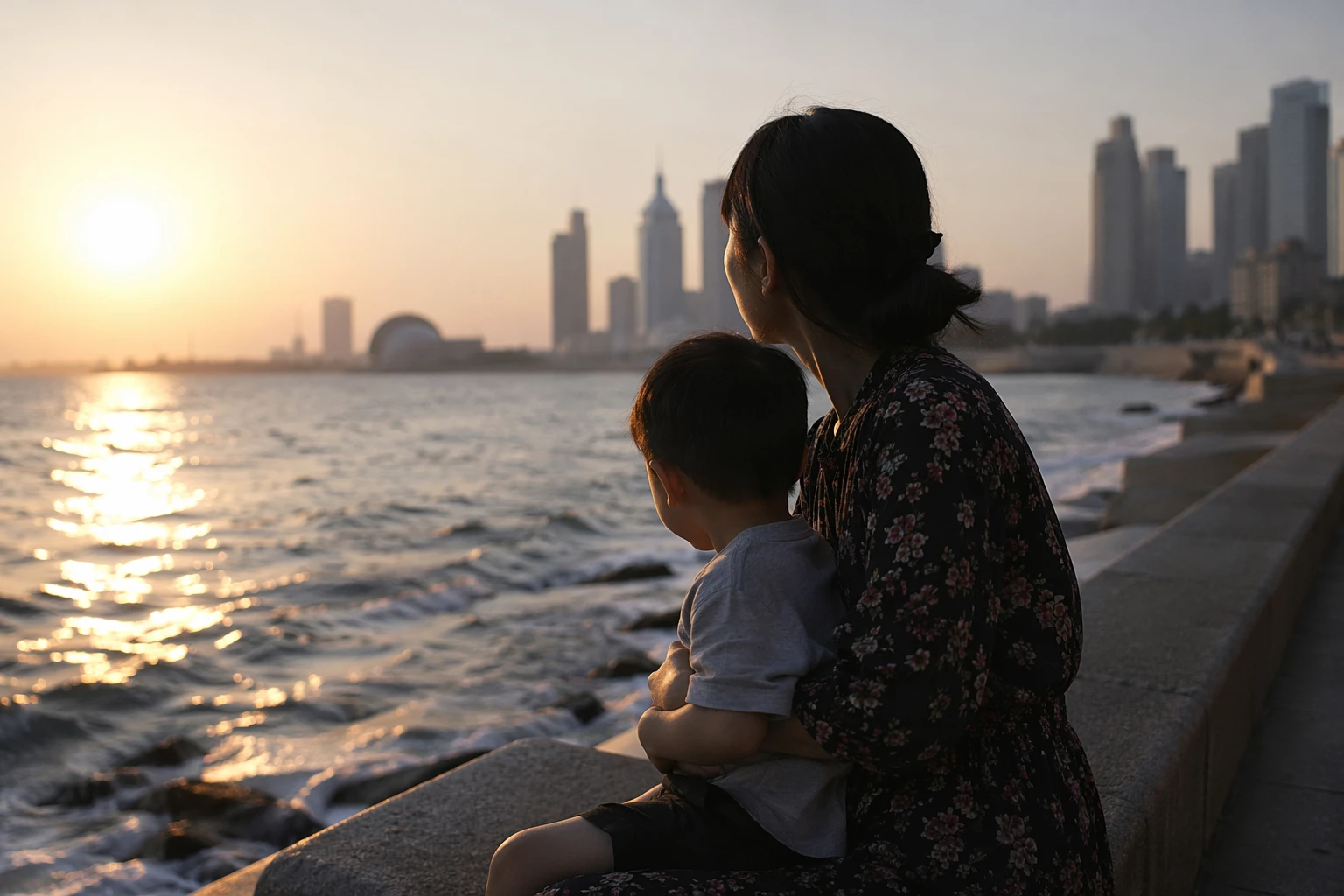
The school also adapted to her daughter’s preferences. When the child did not like rice and vegetables, staff prepared alternate meals instead of forcing a one-size-fits-all routine. The campus had a small farm with animals such as rabbits and ducks, which gave the preschool a more tactile, communal feel than the screen-heavy and app-mediated childcare many parents in the United States know.
Screen time was limited to educational use, another point of friction with the habits Sui had absorbed in America.
Her childhood in Shandong made the Chinese model feel familiar, but not simple
Sui’s own upbringing explains why the Qingdao experience landed so hard. In her memory, care was distributed across a network of relatives rather than concentrated on one exhausted parent. Her grandparents’ rotations in the household and the constant school-gate presence meant that independence was expected to develop within a web of supervision, not in place of it.
That is very different from the version of independence many immigrant parents absorb in the United States, where being a good mother can mean proving you can do everything yourself. In Los Angeles, Sui had no nearby kin to share the load, so the job became more solitary and more dependent on external expertise.
For bicultural families, that negotiation often comes down to three practical tensions:
• How much visibility a child gets. In Qingdao, the preschool’s daily photos and notes created a constant feedback loop. • How much family obligation is built into the routine. Sui’s childhood assumed relatives would rotate in and out of care. • How much independence is expected to come from structure. The Chinese school paired limited screen time with meals, farm animals and classroom routines that kept children engaged without constant digital distraction.
The trip forced a bigger question than geography
By the end of the visit, Sui was no longer comparing only schools or meal plans. She was asking whether she should raise her daughter in China or in the United States, and what she was really choosing when she accepted the parenting habits she had picked up in America. The answer was not a simple preference for one country over the other. It was a clearer understanding that solo parenting in Los Angeles had narrowed the range of what she considered normal.
Sources
- [1]news.google.com
- [2]yahoo.com
- [3]msn.com
- [4]10100.com
- [5]huanqiu.com