World
China unveils drone export controls, blacklists six U.S. entities
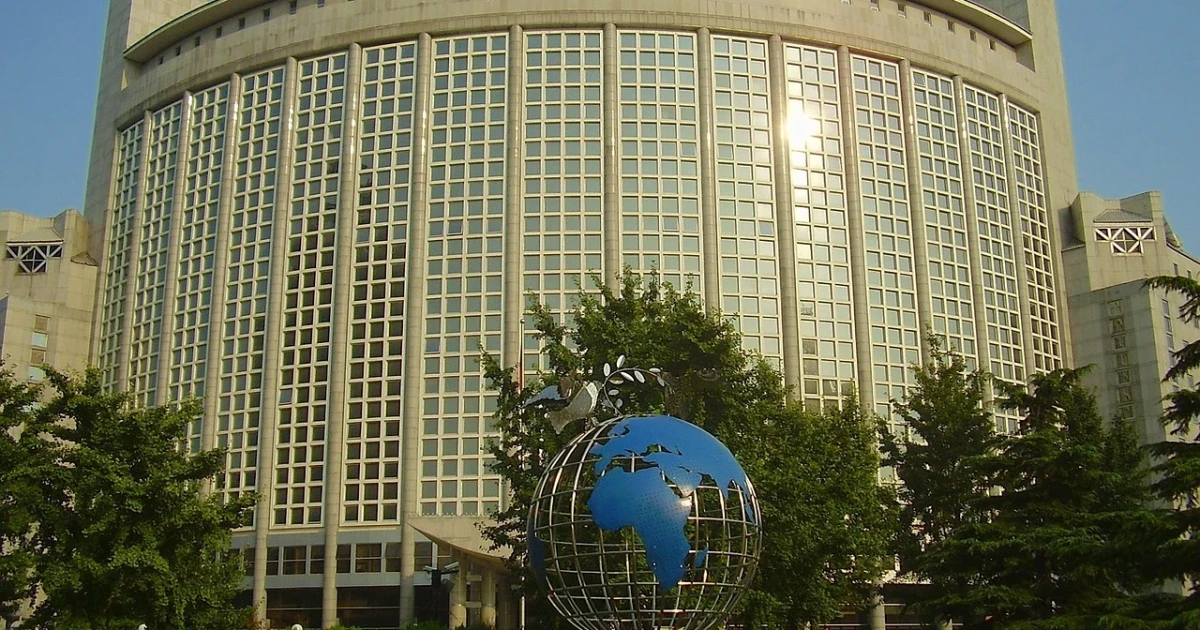
China on Aug. 5 unveiled export controls on drones bound for the United States and blacklisted six U.S. entities, pushing the trade and technology fight with Washington deeper into the supply chains that keep unmanned systems flying. The Ministry of Commerce framed the package as a response to recent U.S. restrictions and what it called unilateral protectionist measures, widening the dispute beyond tariffs and into industrial hardware that U.S. buyers use in agriculture, public safety, logistics and infrastructure work.
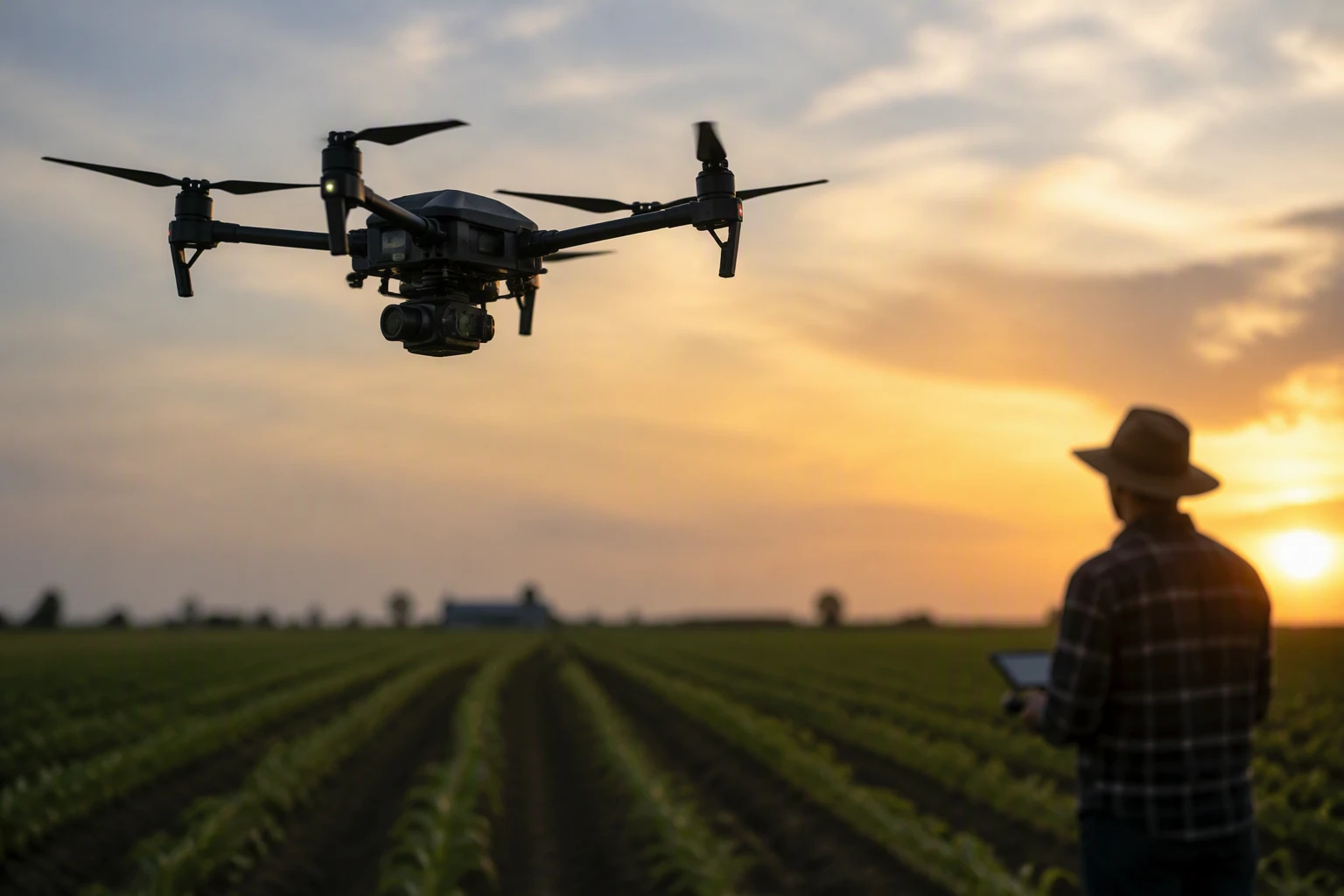
The new measures were not limited to finished drones. Beijing also tightened controls on key components and related technologies, a move with more immediate commercial consequences than a symbolic blacklist alone. If shipments of complete aircraft, controllers, cameras or other sourced parts slow down, the first pressure points will likely be farm operators scouting crops, police and fire departments using aerial overwatch, surveyors mapping job sites and utilities inspecting towers and power lines. Those users rarely have the time or budgets to redesign procurement around a new supplier overnight, and even modest delays can ripple through delivery schedules, replacement cycles and maintenance contracts.
The timing followed a fresh round of U.S. pressure on Chinese technology-linked imports, including Federal Communications Commission restrictions on advanced robots and power inverters. Reuters also reported that the U.S. actions helped trigger Beijing’s response, which came as China signaled it was willing to use trade tools in areas where it still has leverage. For American firms, the sharpest disruption would come not from the blacklist itself, but from any choke point that slows parts, raises replacement costs or exposes the lack of domestic capacity for high-volume drone manufacturing.
China has already used the drone sector as leverage before. On April 7, 2025, AUVSI said Beijing added 11 leading U.S. drone manufacturers to its Unreliable Entity List. On the U.S. side, the Department of Defense kept DJI on its Chinese military company list after a September 2025 court ruling, underscoring how drones have become a standing national security issue in both capitals. That history makes the latest move part of a longer cycle of mutual restrictions rather than a one-off salvo.
The practical test now is whether the controls stay at the level of signaling or begin to interrupt procurement. If Chinese exports of drones and parts are blocked or delayed, the costs would reach American buyers long before any diplomatic thaw, and the sectors that depend on fast, low-cost aerial systems would feel it first.
Sources
- [1]apnews.com
- [2]reuters.com
- [3]straitstimes.com
- [4]finedayradio.com
- [5]scmp.com
- [6]asiafinancial.com
- [7]globaltimes.cn
- [8]auvsi.org
- [9]dronelife.com
- [10]cozen.com