World
China warns Britain over sanctions on firms accused of aiding Russia
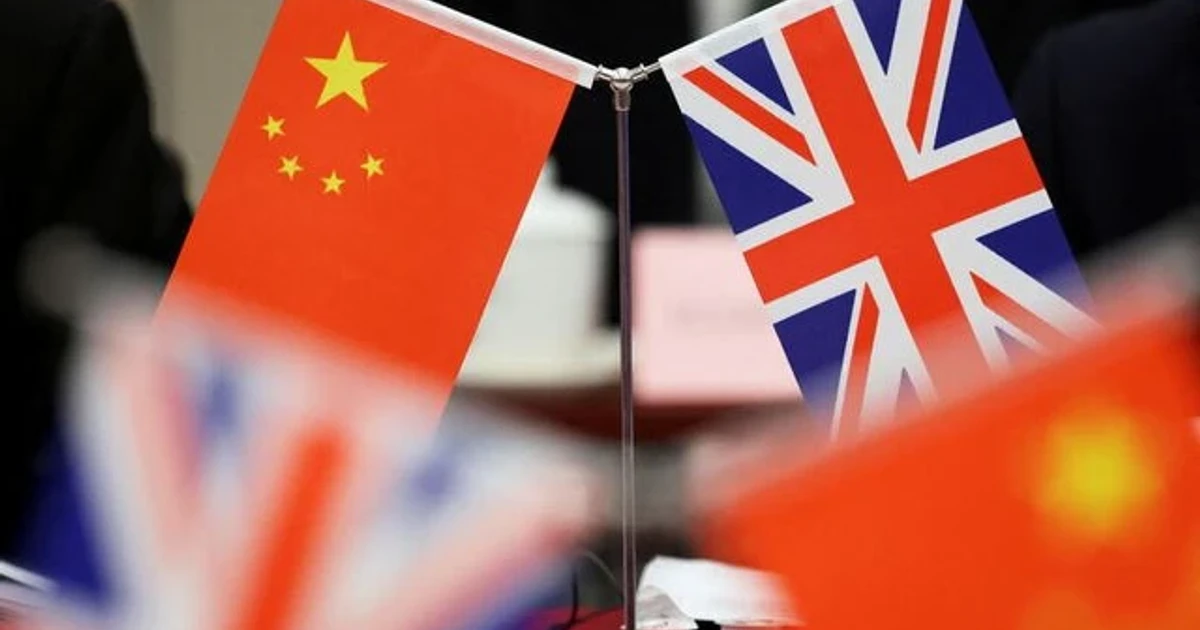
Britain has widened its Russia sanctions regime into a sharper confrontation with Beijing, naming four China-based entities in a package that also hit shipping, finance and supply chains tied to Moscow’s war effort. The Chinese Embassy in Britain responded by saying it had lodged serious representations with British authorities, urged them to correct what it called a mistake, and warned that China would take necessary measures to safeguard the legitimate rights and interests of its companies.
The British government announced 70 new sanctions on 16 June 2026, saying the package targeted Russia’s shadow fleet, military procurement supply chains and illicit finance networks. Officials said the latest action came during the G7 summit after recent Russian attacks on Ukraine. London said it had sanctioned almost 500 individuals, entities and ships under its Russia regime in 2026 alone, and more than 600 shadow-fleet and Russian LNG vessels in total.
The designation notice named Shenzhen Huaxin Antenna Technology Co Ltd, Comnav Technology Ltd, Mungmee Co Ltd and Thai Trade Association Co Ltd. It said the listed entities were involved in the supply of dual-use goods to Russia or operating in Russia’s defence sector. The same notice also added Russia-linked financial entities including Evrofinance Mosnarbank and Yandex Bank, underlining that the package was not confined to shipping or procurement. Britain’s explanatory memorandum said the new regulations introduced export prohibitions on industrial products, chemicals, metals and carbon fibre, along with a ban on maritime transportation of Russian LNG and some construction services connected with Russia.
China’s response fits a broader pattern of resistance to Western sanctions that reach beyond Russia itself. The embassy said China had remained committed to promoting peace talks on the Ukraine crisis and strictly controlled dual-use exports, while arguing that normal exchanges and cooperation between China and Russia should not be disrupted. It also said Beijing would defend the interests of Chinese enterprises.
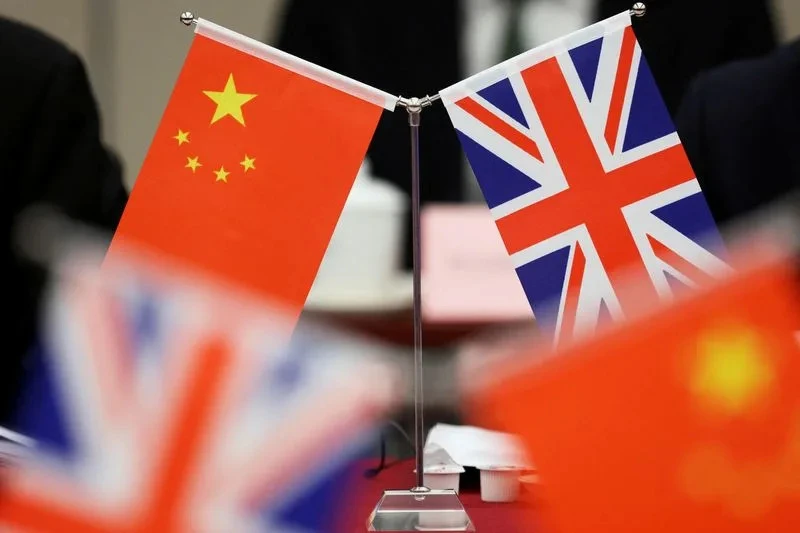
The dispute comes just two weeks after Han Zheng met Yvette Cooper in Beijing on 2 June 2026, when the Chinese vice president said China and Britain should strengthen strategic communication and keep improving relations. Cooper said the two countries had broad common interests in trade, investment, AI, green development and climate response. That makes the new sanctions more than a technical enforcement move: they test how far Britain and its allies are willing to police third-country support networks, and how much diplomatic damage they are prepared to absorb while tightening pressure on Moscow.