US News
China Warns US Against Blockade of Strait of Hormuz
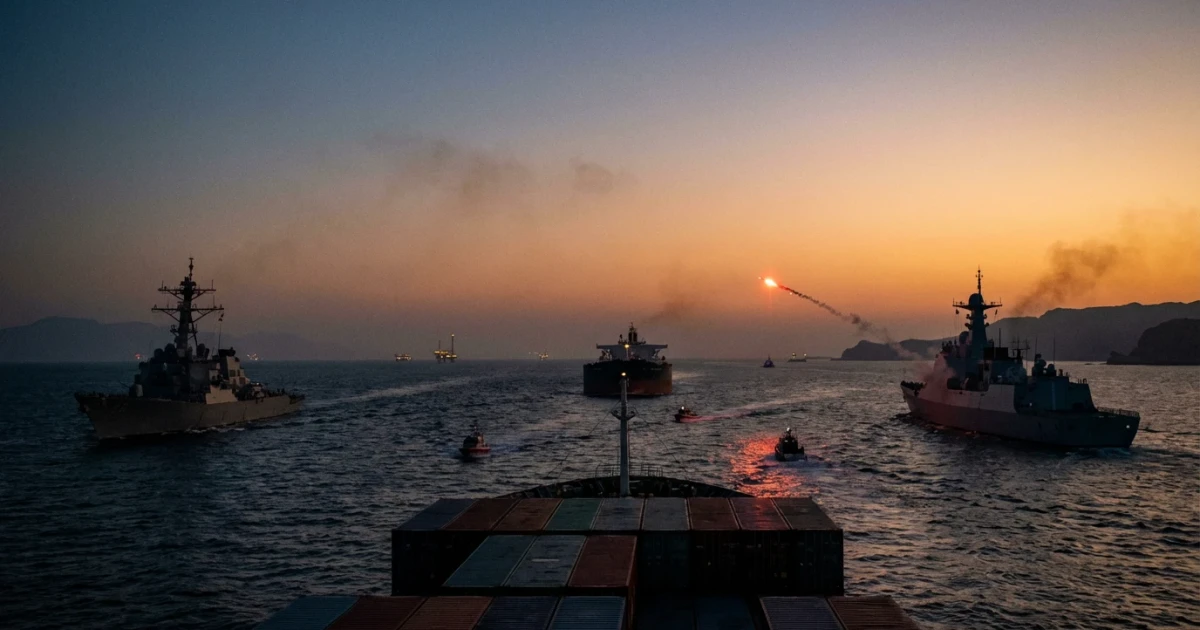
China has issued a firm warning to the United States against any blockade of the Strait of Hormuz, emphasizing that such action would threaten global interests and disrupt critical energy and trade flows.
Strait of Hormuz: A Vital Energy Chokepoint
The Strait of Hormuz is widely recognized as one of the world's most important maritime corridors. Situated between Oman and Iran, it connects the Persian Gulf with the open ocean and is the only sea passage from the Persian Gulf to the rest of the world. According to the U.S. Energy Information Administration, roughly one fifth of global oil consumption and a significant share of liquefied natural gas (LNG) exports pass through the strait each day.
- In 2022, about 21 million barrels of oil per day transited the Strait of Hormuz, equal to approximately 21% of global petroleum liquids consumption.
- The strait is also critical for LNG exports from Qatar, one of the world's top producers.
China’s Position and Global Implications
As reported by Sky News Australia, Chinese officials labeled any potential US blockade as a direct threat to global interests. China, a major importer of Middle Eastern oil, relies heavily on the free flow of resources through this maritime corridor. Disruptions could have ripple effects, driving up global oil prices and impacting economies worldwide.
The UNCTAD Review of Maritime Transport underscores the strait’s strategic significance, noting that its closure or military tension in the region would threaten international shipping and energy security.
Legal and Strategic Context
Under the United Nations Convention on the Law of the Sea (UNCLOS), the right of "transit passage" through straits used for international navigation is protected, which places legal constraints on any attempt at a full blockade. However, the region remains tense, with a history of armed conflict in the Persian Gulf and frequent demonstrations of naval power by both regional and international actors.
US Motives and International Response
While the US has not announced any imminent plans for a blockade, its presence in the region aims to protect shipping lanes and deter hostile actions, particularly from Iran. China’s warning reflects broader concerns among energy-importing nations and global trade partners, who fear that escalation could destabilize markets and interrupt critical supply chains.
Analysis and Outlook
The possibility of a blockade, even if only briefly implemented, could cause a substantial spike in oil prices and disrupt global supply chains. Analysts from the Center for Strategic and International Studies estimate that any prolonged closure could remove millions of barrels of oil per day from the market, with potential price increases of 20% or more in the short term.
As diplomatic tensions continue, the situation in the Strait of Hormuz remains a barometer for global energy security. Stakeholders across Asia, Europe, and beyond will be closely watching both US and Chinese actions, aware that stability in this narrow waterway is crucial for the world’s economic well-being.