Technology
China weighs limits on overseas access to top AI models
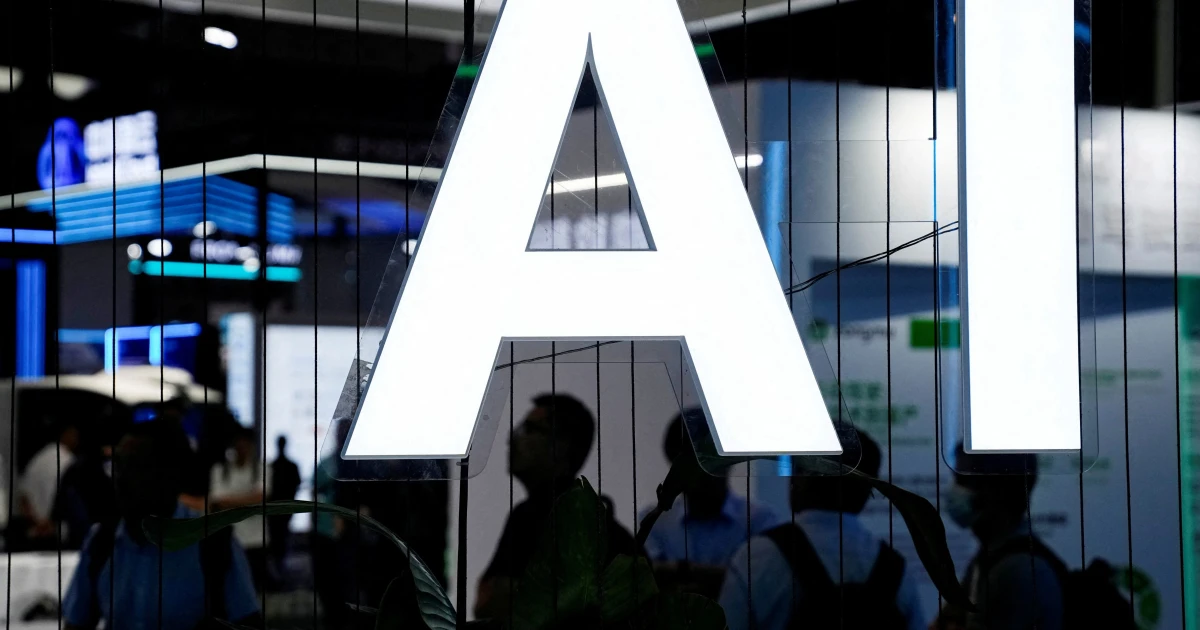
Chinese authorities held meetings over the past month with Alibaba, ByteDance and the startup Z.ai about potentially restricting overseas access to China’s most advanced AI models, including models that have not yet been released. The talks suggest Beijing is considering whether frontier AI should be treated less like a product for export and more like a strategic asset to be controlled.
The timing matters because Chinese AI systems have been gaining traction outside the country on price and performance. DeepSeek’s R1 model, released in January 2025, sharpened global attention on Chinese models by showing that a relatively low-cost system could draw international users and force a wider response from U.S. competitors. Any move to narrow foreign access would hit app developers, cloud customers and companies that have already begun testing Chinese models in commercial products.
The discussions also fit a broader tightening around advanced technology. In May 2026, Chinese authorities were reported to be restricting overseas travel for top AI professionals at private firms such as Alibaba and DeepSeek. On June 1, 2026, the State Council of the People’s Republic of China issued new outbound investment regulations, signed by Premier Li Qiang, that took effect July 1 and cite national sovereignty, security and development interests. In April 2026, Chinese authorities also ordered Meta to unwind its planned $2 billion acquisition of the Chinese-founded AI startup Manus, underscoring how closely Beijing is watching cross-border AI deals.
The pressure is not one-sided. In 2026, the United States expanded restrictions on Chinese access to advanced AI chips, and the U.S. Bureau of Industry and Security added 12 entities tied to advanced AI, supercomputers and high-performance AI chips for China-based end users with close links to the country’s military-industrial complex. That has made compute, chips and distribution channels part of the same strategic contest.
If Beijing moves ahead, Chinese model makers could face a tradeoff. Tighter controls would preserve access at home and give regulators more leverage over where advanced systems are used, but they could also reduce the international reach that helps Chinese firms gain developer adoption, market reputation and scale. For foreign users, the cost could be higher prices, fewer options and greater uncertainty about whether access to Chinese models would remain open.
Sources
- [1]yahoo.com
- [2]money.usnews.com
- [3]english.www.gov.cn
- [4]straitstimes.com
- [5]tbsnews.net
- [6]bis.gov
- [7]aljazeera.com