Lifestyle
Chinamaxxing Trend Highlights China's Growing Global Influence
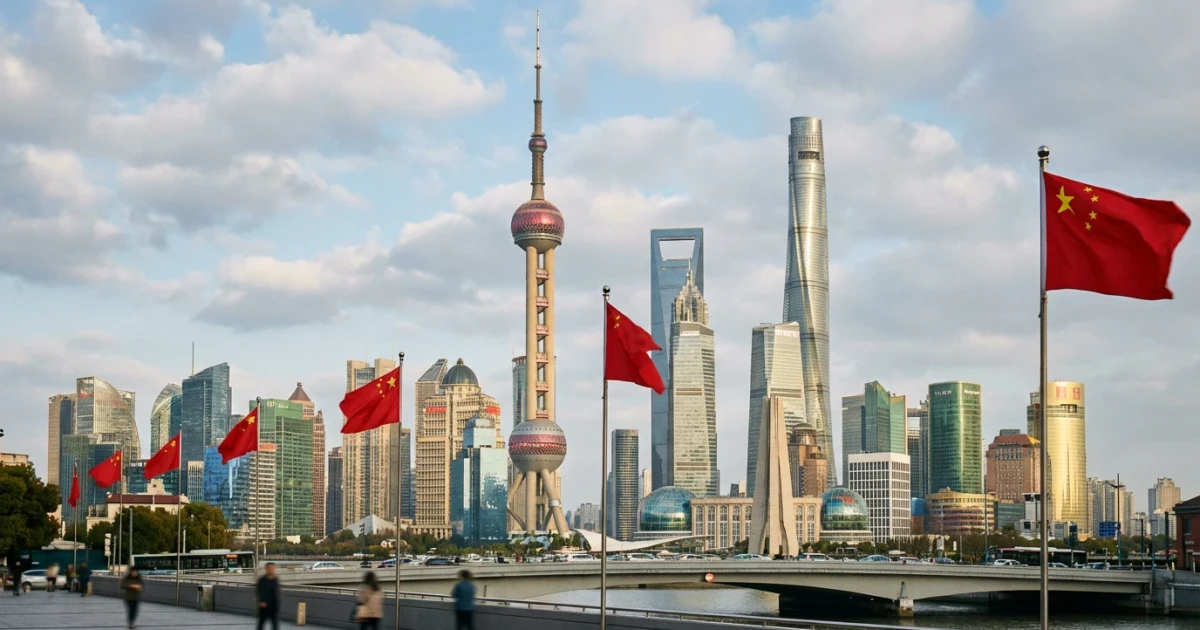
China’s expanding global influence is taking on a new dimension with the emergence of “Chinamaxxing” — a trend that highlights how individuals and societies worldwide are adopting Chinese cultural, economic, and technological practices. This phenomenon, explored in a recent Indulgexpress analysis, raises questions about the extent and implications of China’s rising prominence in a rapidly interconnected world.
What Is Chinamaxxing?
“Chinamaxxing” refers to the growing trend of people and organizations outside China embracing Chinese norms, aesthetics, business strategies, language, and even social values. The term draws from online culture, where “maxxing” often means optimizing for a certain lifestyle or influence. In this context, it signals a conscious choice to emulate China’s approaches in areas ranging from economic growth to digital innovation and educational models.
Drivers of the Chinamaxxing Phenomenon
- Economic Power: China has become the world’s largest exporter of goods and a central player in global supply chains. Many businesses look to Chinese manufacturing techniques and market strategies for guidance.
- Technology Leadership: With rapid advancements in e-commerce, AI, and telecommunications, China’s tech sector is influencing global standards and consumer habits, from mobile payments to super apps.
- Soft Power and Culture: The spread of Mandarin language education, popularity of Chinese cuisine, and growing interest in traditional medicine and philosophy all reflect China’s broadening cultural appeal.
- Geopolitical Initiatives: China’s ambitious Belt and Road Initiative has expanded its infrastructure investments, economic partnerships, and diplomatic ties across Africa, Asia, and beyond.
Visible Signs Around the World
According to Indulgexpress, “Chinamaxxing” can be seen in diverse settings:
- Schools adding Mandarin to their language programs.
- Western businesses adopting Chinese digital marketing tools and supply chain models.
- Young people on social media using Chinese fashion, beauty, and wellness trends.
- Governments referencing China’s infrastructure success as a template for their own projects.
This convergence has also sparked debate over authenticity and cultural identity, as some worry about the dilution of local traditions or values in the process of “maxxing out” on Chinese influence.
How the World Views China’s Influence
Global perceptions of China remain complex. While many admire its economic achievements and technological prowess, others express concerns about political influence, human rights, and potential overreach. Data from the Pew Research Center shows mixed views, with some regions reporting positive impressions and others remaining wary of China’s rising profile.
Additionally, international organizations are increasingly discussing China’s role in global governance, influencing everything from trade rules to climate policy. The Organization for Economic Cooperation and Development (OECD) notes in its China economic surveys that the country’s integration into the world economy has been both transformative and, at times, contentious.
Analysis: Opportunities, Challenges, and the Road Ahead
As “Chinamaxxing” continues to spread, its impact will depend on how societies balance adaptation with preservation of their distinct identities. Some analysts see this as part of a broader shift in global power dynamics, where countries and individuals recalibrate their strategies in a world where China’s economic and cultural reach is increasingly impossible to ignore.
Looking forward, observers expect the debate around “Chinamaxxing” to intensify as the world navigates a landscape shaped by both cooperation and competition with China. The trend serves as a lens through which to examine not just China’s global ambitions, but also how other nations respond — whether by emulation, adaptation, or resistance.