Technology
China’s AI data centers face obstacles in shift to renewable power
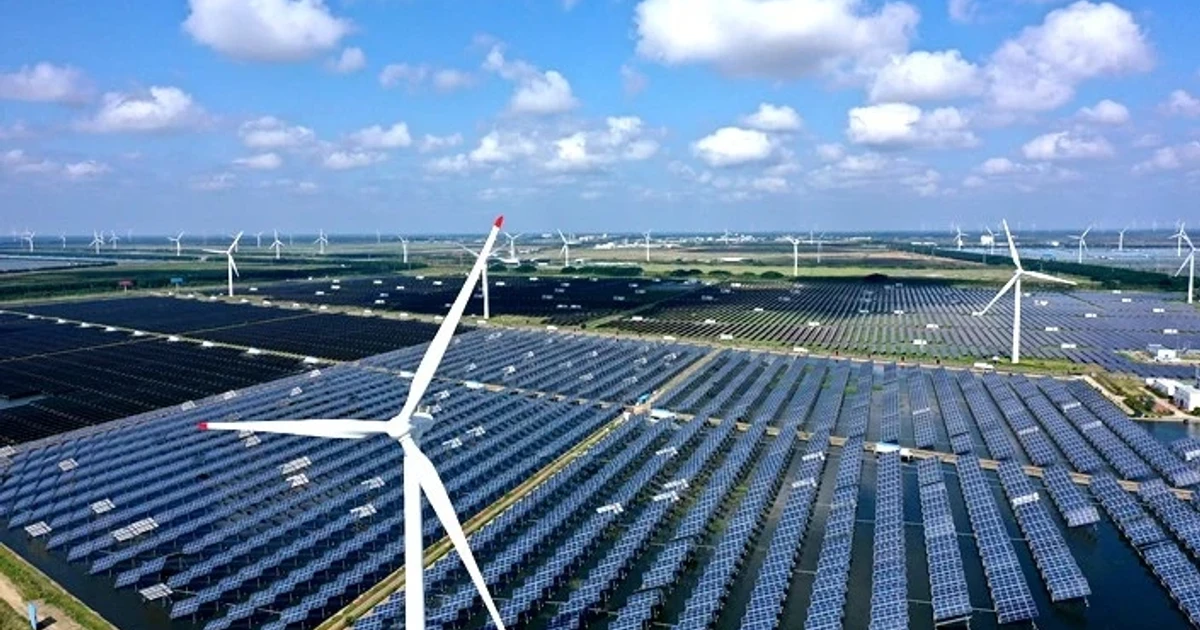
China’s plan to run its fast-growing AI data-center sector on renewable power is running into a basic constraint: the grid still cannot absorb demand it cannot predict. Officials want renewables to supply 80% of the sector’s electricity by 2030, up from 11% in 2023, even as data-center demand is projected to rise by 300 billion to 500 billion kilowatt-hours between 2026 and 2030.
Beijing has already spent years trying to align computing growth with energy geography. China launched its east data, west computing strategy in 2022 to shift processing away from power-constrained eastern cities and toward western regions with abundant renewable resources. The National Development and Reform Commission later backed eight national computing hubs as the backbone of that network, with clusters meant to combine data centers, cloud computing and big data across western China.
The policy ambition is clear, but the implementation problem is sharper. China’s 2026 government work report called for stronger integration between computing infrastructure and power supply networks, and a July 2024 government notice said data centers’ power use was expected to climb 15% annually while renewable-energy utilization in the sector should rise 10% a year. New projects in the eight hubs are also being pushed to source at least 80% of their electricity from renewables under a 2025 action plan.
Industry planners say the bottleneck is not only generation, but uncertainty. Pei Shanpeng, a director at State Power Investment Corp, said data-center electricity demand could account for 18% of total electricity-demand growth over 2026 to 2030. Rystad Energy projects China’s data-center power consumption could reach about 289 terawatt-hours by 2030, with installed capacity rising to around 60 gigawatts, nearly doubling in five years.
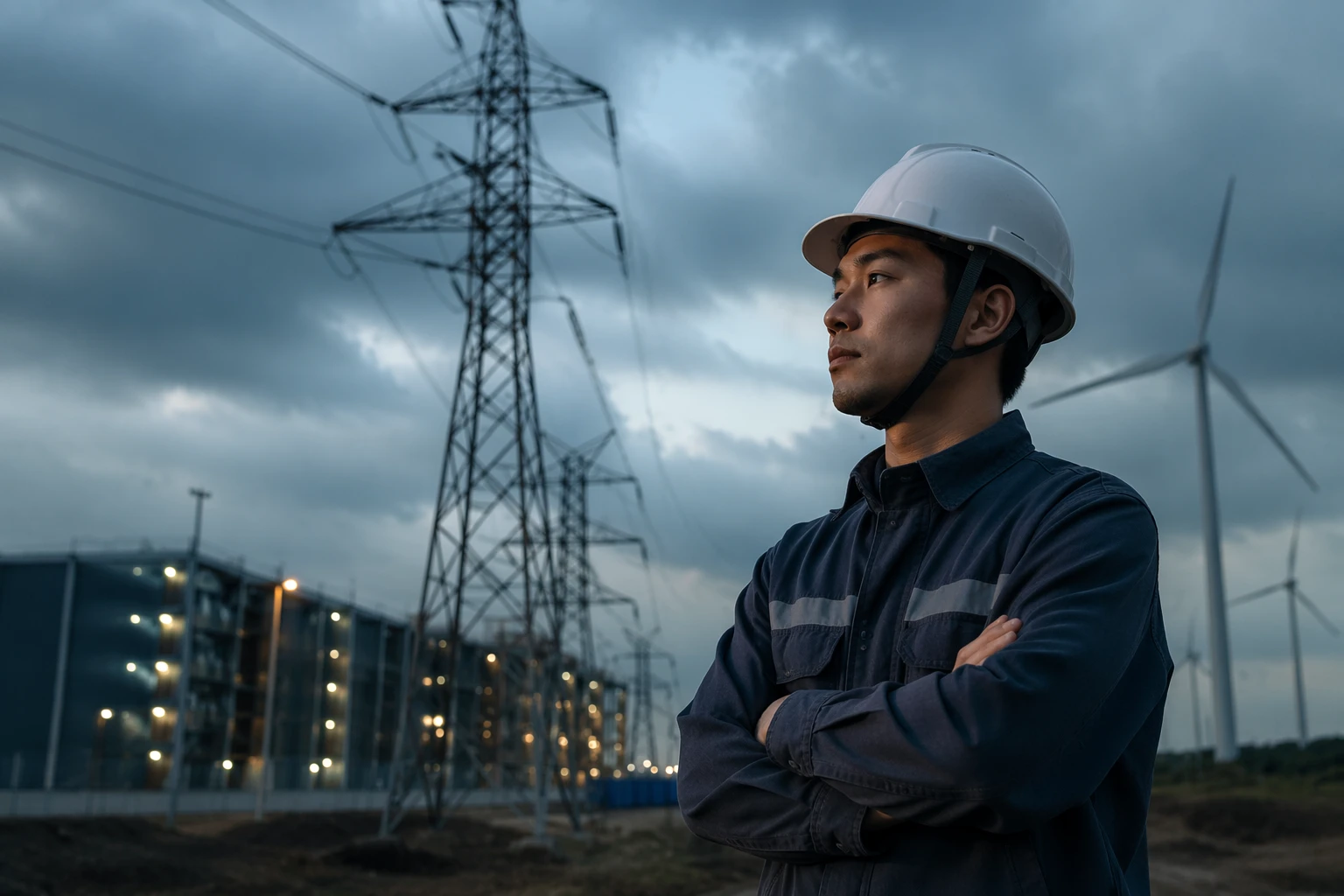
That scale helps explain why AI facilities are harder to serve with green power than some other heavy industries. Unlike aluminum smelting, data centers have less predictable peaks and are seen as a poor fit for systems that depend on precise load forecasting and flexible consumption. Pei Shanpeng said, “these facilities do not yet appear very flexible in managing power demand.”
The larger lesson reaches beyond China. The country is trying to expand compute power while meeting climate and energy-security goals at the same time, and that collision exposes the true energy cost of the global AI race: not just more electricity, but better forecasting, stronger grid coordination and clearer risk-sharing before the next wave of servers comes online.