Business
China’s consumer debt defaults hit records as banks tighten lending

China’s retail-credit strain deepened as China Merchants Bank said its personal loan non-performing-loan ratio rose to 1.14% in the first quarter of 2026 and its credit-card delinquency ratio reached 1.90%, both higher than a year earlier. Those figures came as household loans contracted by 631.4 billion yuan in the first five months of 2026, showing that borrowers are pulling back even as Beijing urges lenders to do more.
The squeeze is visible in individual cases. Jack Chen, a 27-year-old telecoms maintenance worker in Jiangsu province, now faces about 140,000 yuan, or roughly $20,685, in defaults across credit cards, online borrowing and a car loan after a pay cut and the loss of a fuel allowance left him unable to keep up with payments. His situation mirrors a broader deterioration in household balance sheets, where weaker borrowers are increasingly the only ones still seeking credit while more qualified households cut usage.
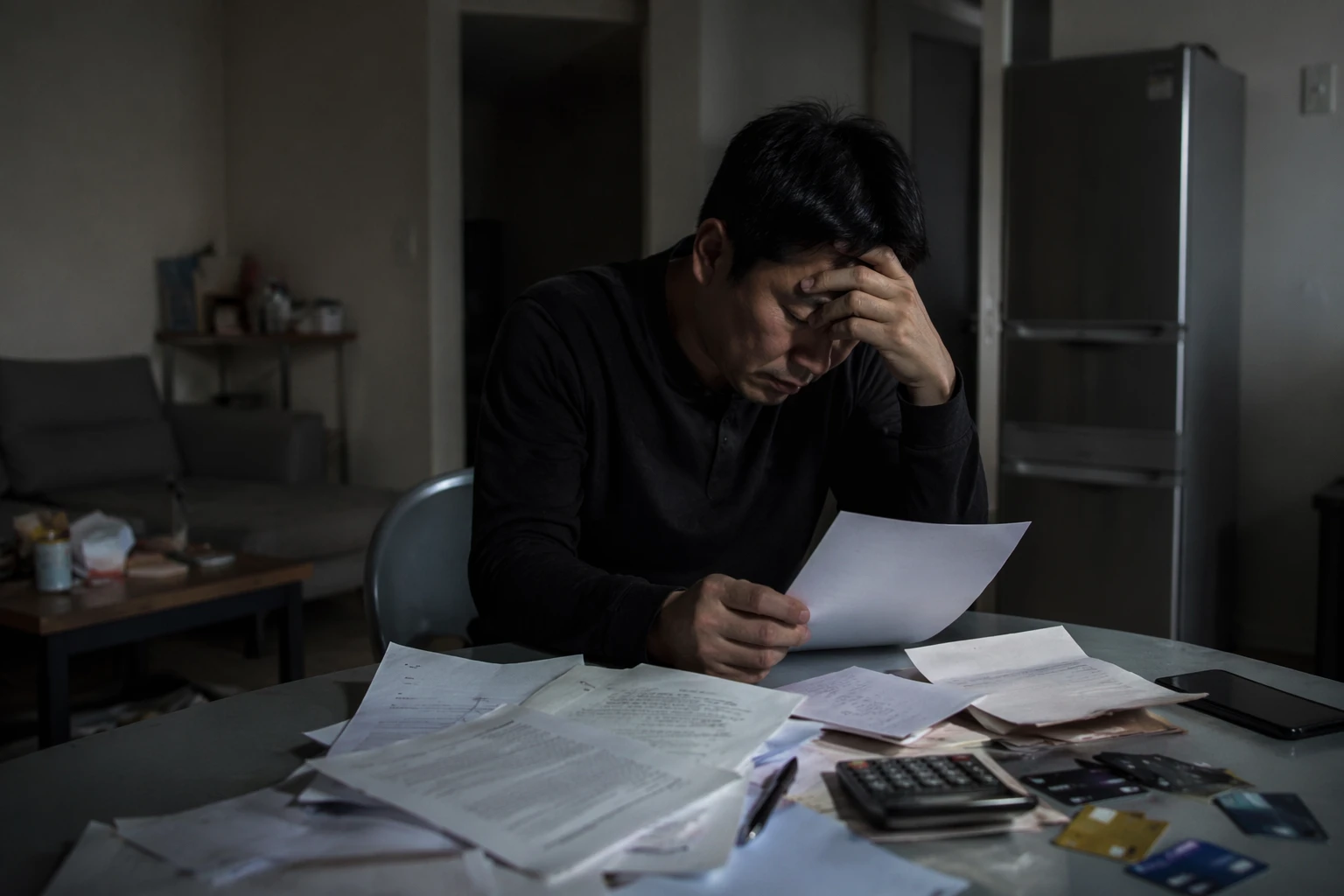
Gavekal Dragonomics estimated that household non-performing loans in China reached 2.22 trillion yuan last year, a sum equal to about 1.6% of GDP. The same estimate implies that retail stress is now spread widely enough to affect the banking system’s consumer book, not just a handful of overstretched borrowers. In 2025, as many as one in ten Chinese adults may have fallen behind on debt payments, underscoring how far delinquency has spread.
Beijing has responded by pressing banks to lend more, using informal window guidance from the People’s Bank of China in recent months. Banks have moved the other way, tightening standards to avoid building future bad debt. Nicholas Zhu, a banking analyst at Moody’s, said, “More creditworthy customers are reducing credit card usage,” a sign that the pool of healthy borrowers is shrinking even as lenders search for growth.
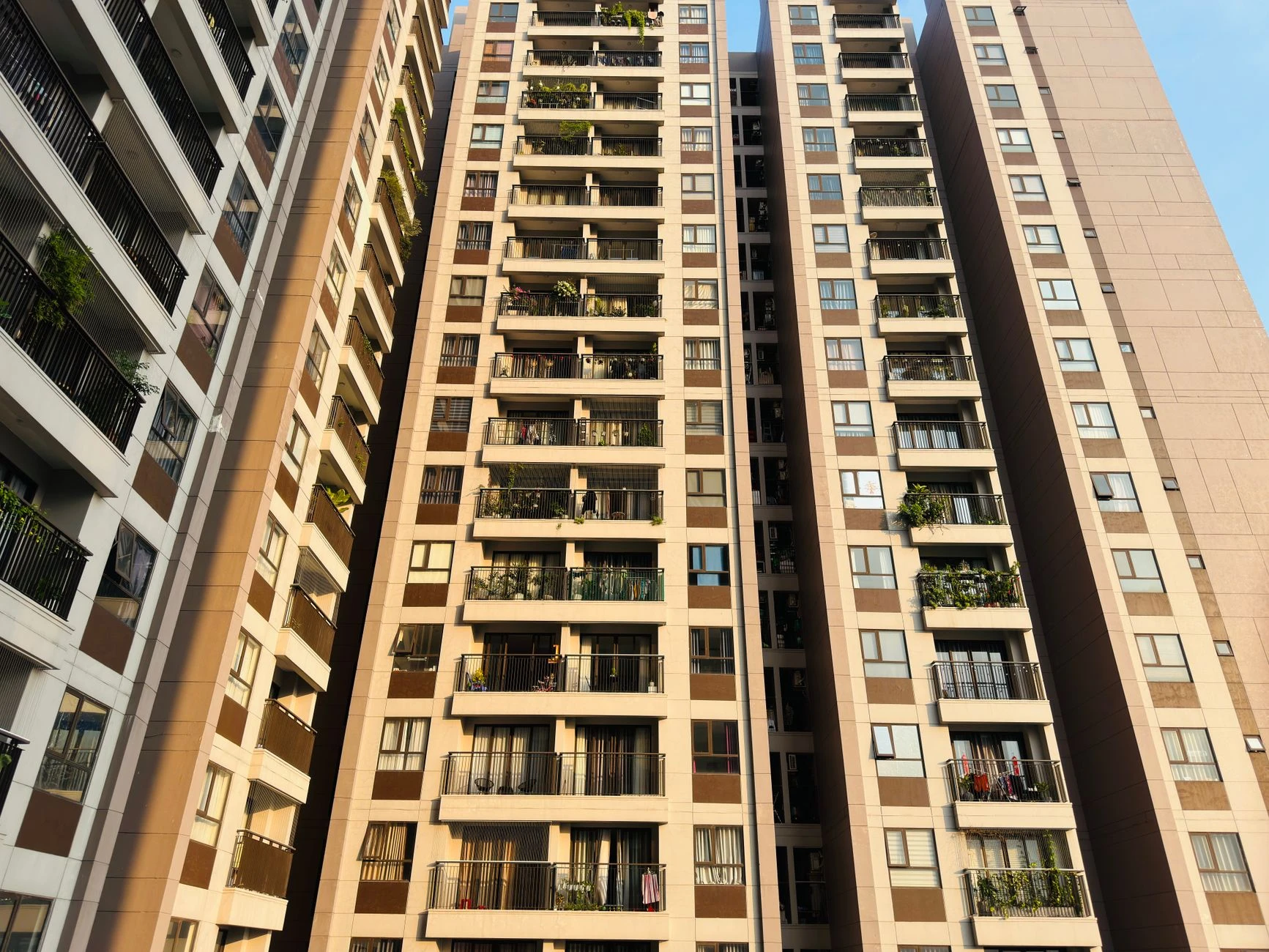
The caution runs through the wider economy. The World Bank said China’s gross domestic product grew 5.0% year on year in the first quarter of 2026, but consumer spending remained cautious because of the negative wealth effect from the property adjustment. That weakness is also showing up in the data on savings: household deposits rose by 7.58 trillion yuan in the first half of 2026, while aggregate financing for the real economy reached 462.06 trillion yuan at the end of June, up 7.4% from a year earlier. China’s problem is no longer only getting credit into the system; it is finding households willing and able to take it.
Sources
- [1]aol.com
- [2]finance.yahoo.com
- [3]worldbank.org
- [4]english.news.cn
- [5]wtaq.com