Science
China's electric taxis cushion drivers and riders from oil shocks
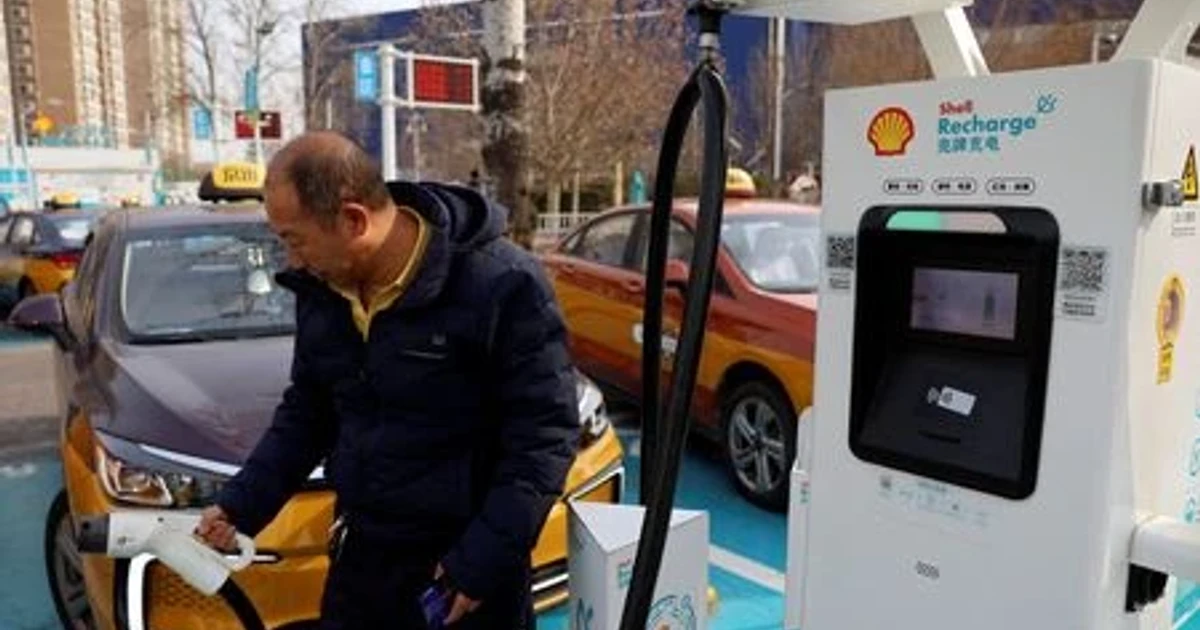
China’s taxi and ride-hailing system carried 3.05 billion trips in May, a 6% increase from the March-to-May period a year earlier, as electric fleets helped insulate urban travel from oil-price shocks tied to tensions in the Middle East. The surge came even as gasoline prices rose, showing how China’s fastest-growing transport layer is acting as an energy-security buffer.
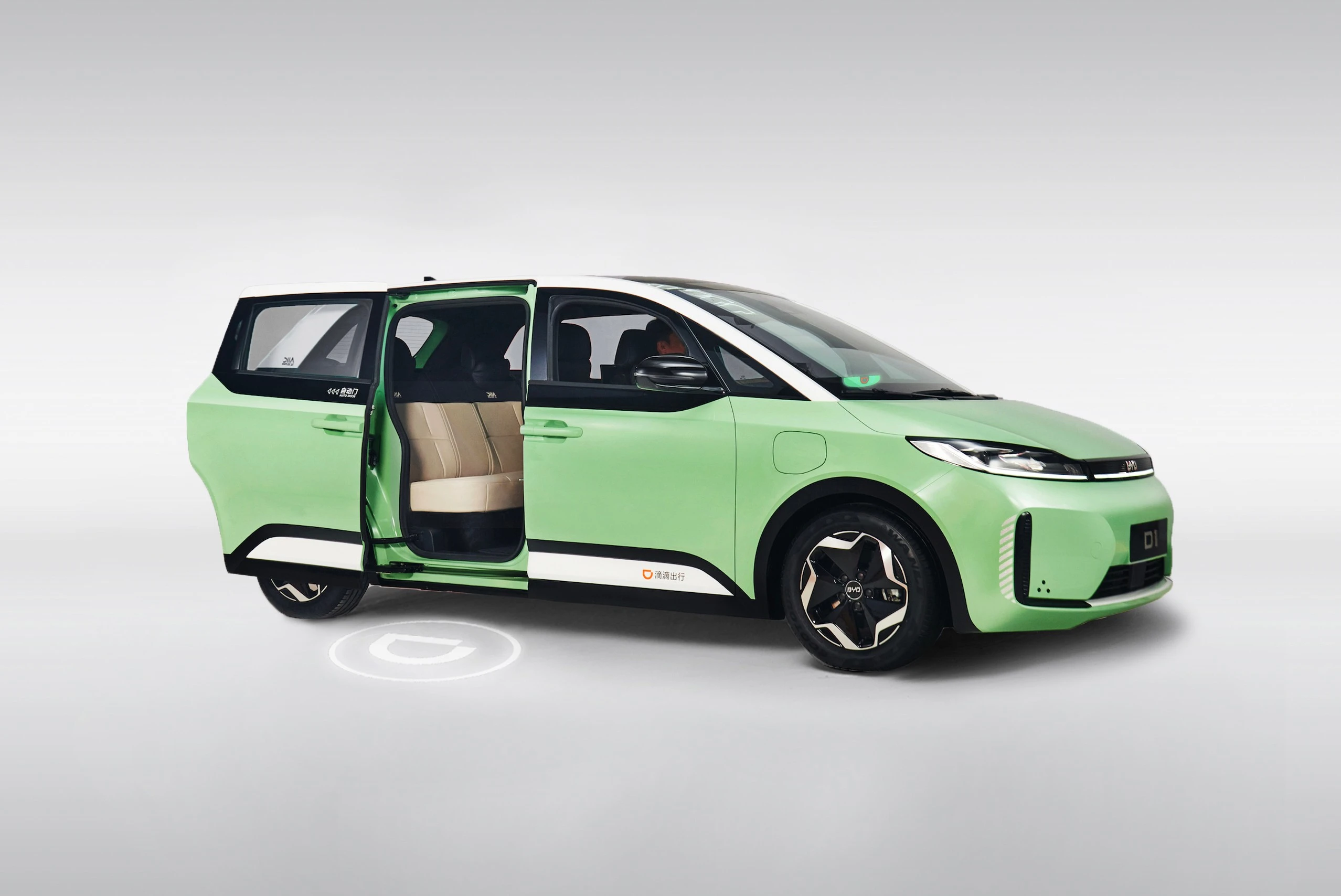
The shift is most visible in the taxi market. About half of China’s 1.3 million taxis are now electric, and in major cities the share is close to 100%. Didi, the country’s dominant ride-hailing platform, said it added 2 million hybrid or electric cars in 2025, bringing its non-fossil fleet to 8 million vehicles. Electric vehicles now account for 75% of mileage on Didi’s platform, a sign that the company’s traffic is increasingly tied to battery power rather than imported fuel.
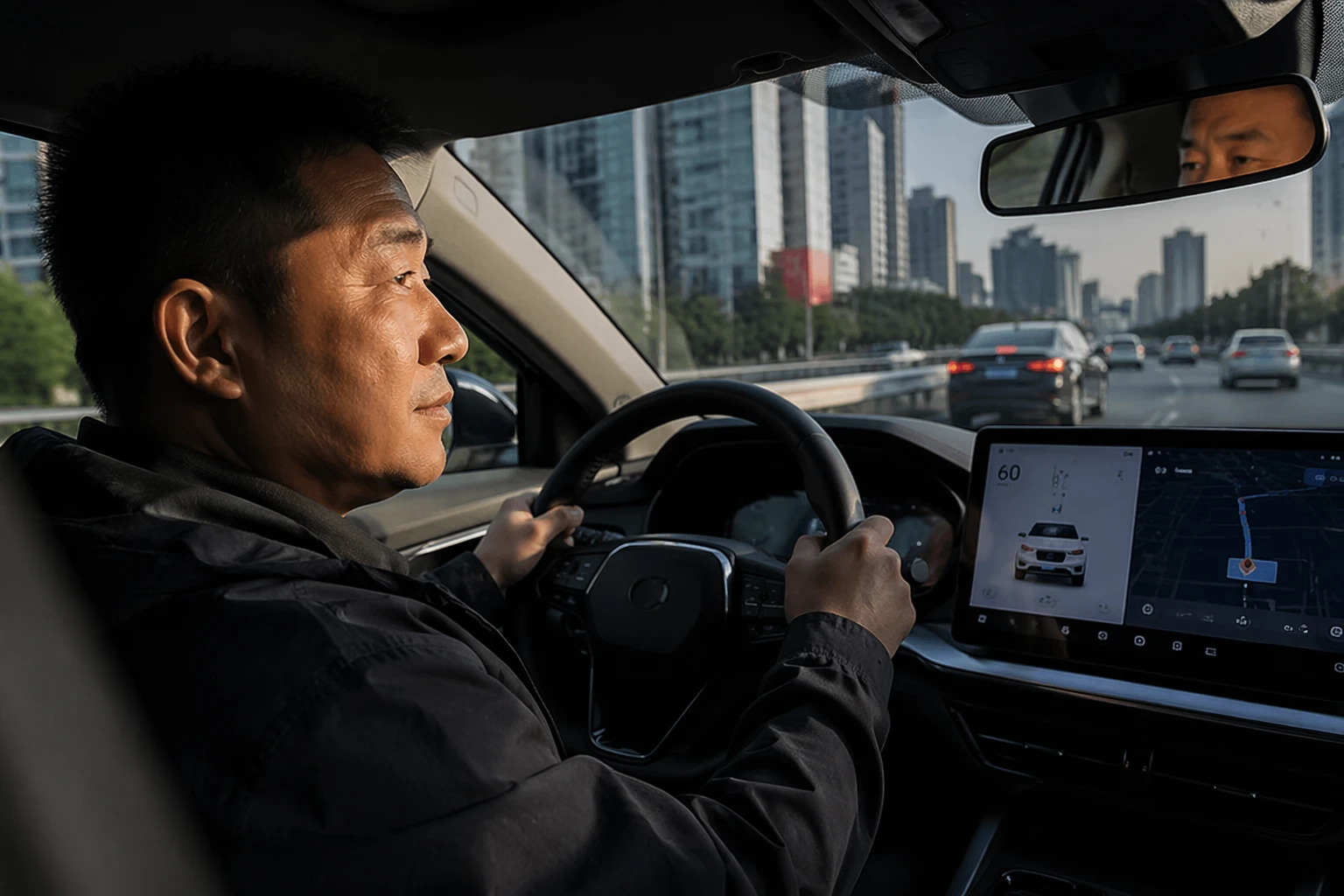
That scale is changing prices as well as fuel demand. A Beijing part-time driver said fares had fallen 10% to 15% over the past six months as more people looked for work in a sluggish economy and joined ride-hailing fleets. Lower fares have made taxis more attractive to riders, while higher fuel costs have pushed some drivers and passengers out of private petrol cars and into cabs, subways and other public transport. One rider said a taxi can be cheaper than driving a personal petrol car when parking and fuel are included.
The fuel numbers show how quickly that behavioral shift can filter into national demand. China burned 10% less gasoline and 14% less diesel in May than a year earlier, even as road freight rose and holiday travel hit records. That weakening in fuel use reflects slower growth and the spread of electric vehicles across the transport system, but it also gives China a measure of protection when shipping lanes such as the Strait of Hormuz face instability that can rattle global oil markets.
Daizong Liu, East Asia director at the Institute for Transportation & Development Policy, said higher fuel prices are pushing people away from private petrol cars and toward taxis, subways and other public transport. Greenpeace forecasts that 90% of taxi and ride-hailing mileage in China will be electric by 2035, underscoring how quickly the country’s urban mobility is being rewired around electricity rather than oil.
Sources
- [1]srnnews.com
- [2]straitstimes.com
- [3]businesstoday.com.my
- [4]eia.gov
- [5]ceicdata.com