Business
China’s gig economy absorbs jobless workers as labor market weakens
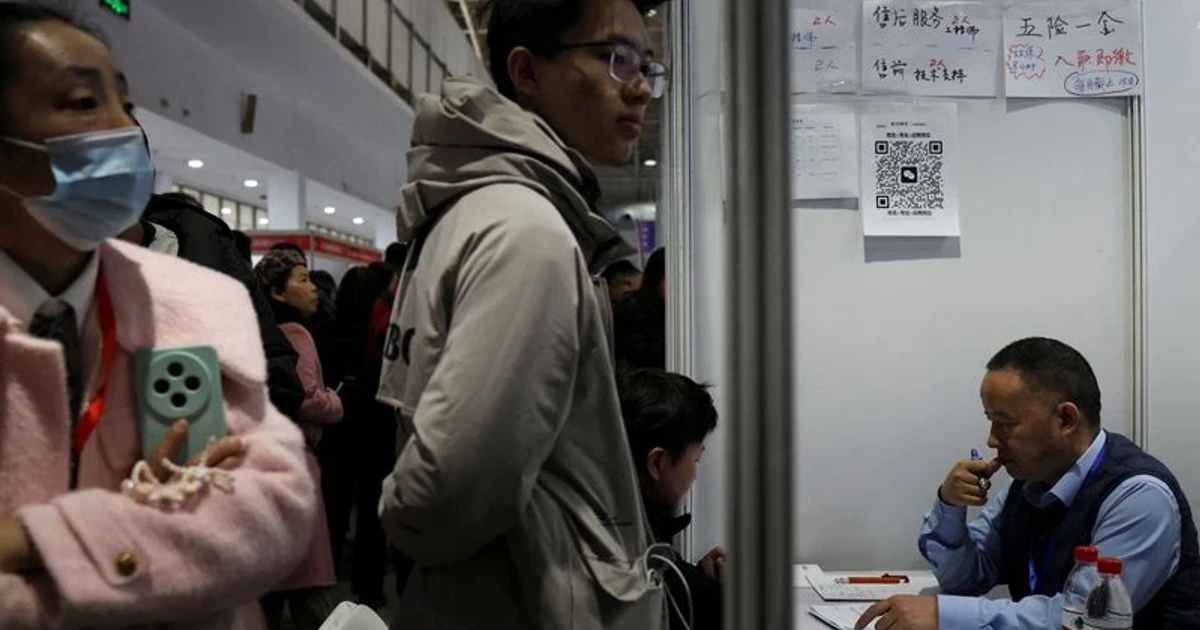
Bao Zhang, a former software tester in Beijing, started driving for a ride-hailing app after losing his job and now sees little chance of getting back into tech. He works long hours and takes home only modest pay after vehicle rental and charging costs, a picture of how gig work is absorbing unemployment without restoring the security or pay ladder of formal jobs.
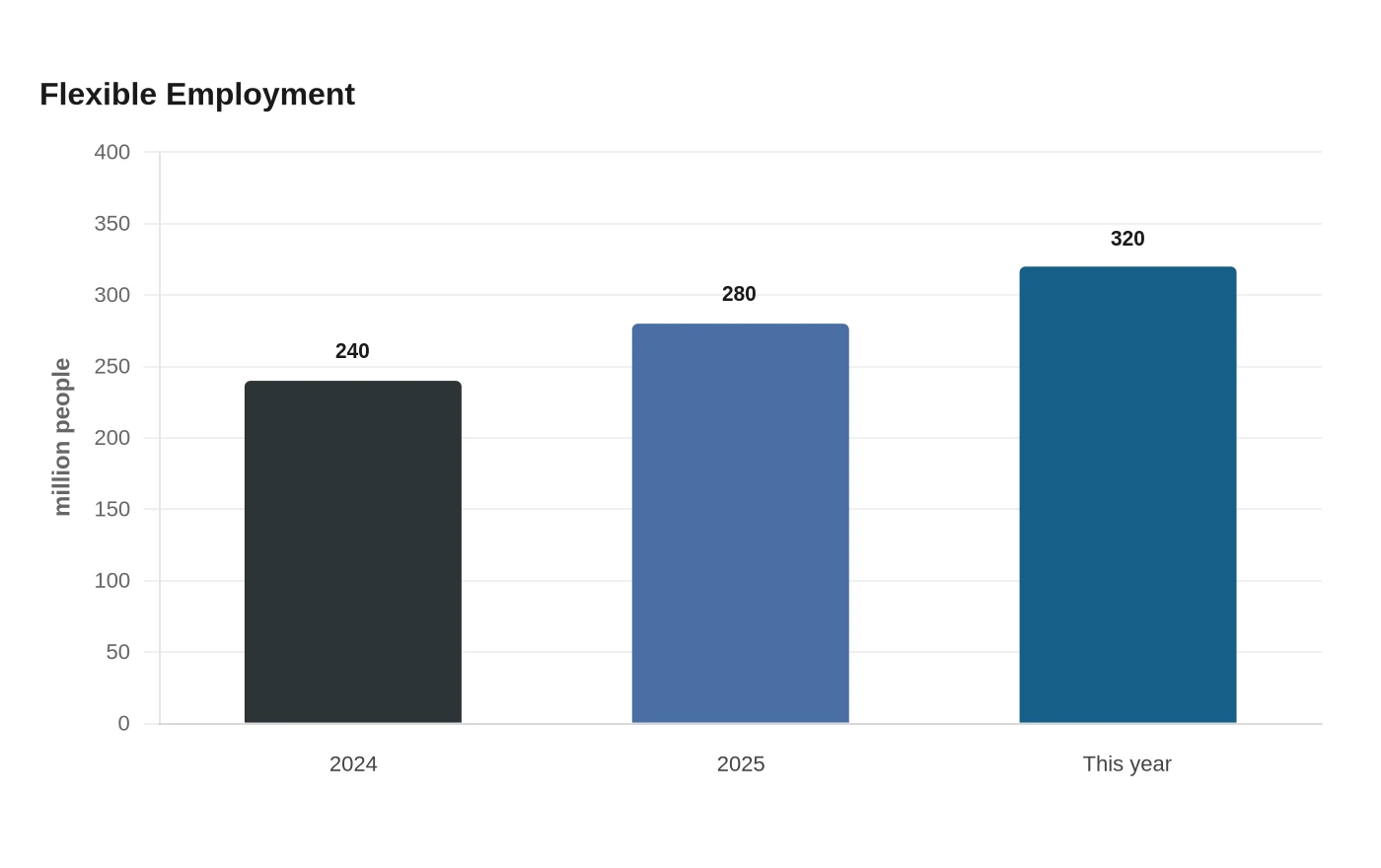
Flexible employment will reach 320 million people this year, up from 280 million in 2025, the China New Employment Forms Research Center estimates. That would amount to about 44% of China’s labor force. A separate June report put the flexible workforce at more than 200 million in 2021, 240 million in 2024 and 280 million in 2025.

Weak domestic demand, the property crisis, automation in manufacturing and artificial intelligence are all narrowing the number of stable jobs, while record numbers of graduates are chasing them. China expects 12.7 million college graduates to enter the labor market in 2026, adding fresh pressure to already tight entry-level hiring. Zhang, a government adviser focused on social protection, said the change has spread beyond rural migrants into the middle class and university graduates.
In many gig jobs, contributions to unemployment, injury and pension programs are not mandatory, leaving workers more exposed to income swings and fewer long-term benefits. Chinese Academy of Social Sciences researchers warned in 2019 that the basic pension system for employees could be exhausted by 2035. A 2024 update pushed depletion back eight to nine years if retirement is delayed.
China expanded a pilot occupational injury insurance program for workers in new forms of employment nationwide this year. By the end of June, the pilot had enrolled 29.9 million workers across 11 major platforms in 17 provinces. The Ministry of Human Resources and Social Security will add additional platform-based occupations by 2027.
Sources
- [1]money.usnews.com
- [2]merics.org
- [3]global.chinadaily.com.cn
- [4]english.scio.gov.cn
- [5]upi.com
- [6]chinascope.org