Business
China's May bank lending misses forecasts as property slump weighs on demand

China’s banks lent less than economists expected in May even after policymakers pushed lenders to do more, underscoring how the property downturn is still eroding household confidence and demand for credit. New yuan loans came in at 520 billion yuan, missing a 550 billion yuan forecast, while household borrowing, including mortgages, fell by 141.2 billion yuan.
The numbers point to an economy still struggling to generate broad-based loan growth. In the first five months of 2026, banks extended 9.11 trillion yuan in new loans, down sharply from 10.68 trillion yuan in the same period a year earlier. Outstanding yuan loans stood at 281.02 trillion yuan at the end of May, up 5.5% from a year earlier, and total social financing stock reached 458.8 trillion yuan, up 7.7%. That combination suggests government borrowing is still helping prop up overall credit, even as private demand remains subdued.
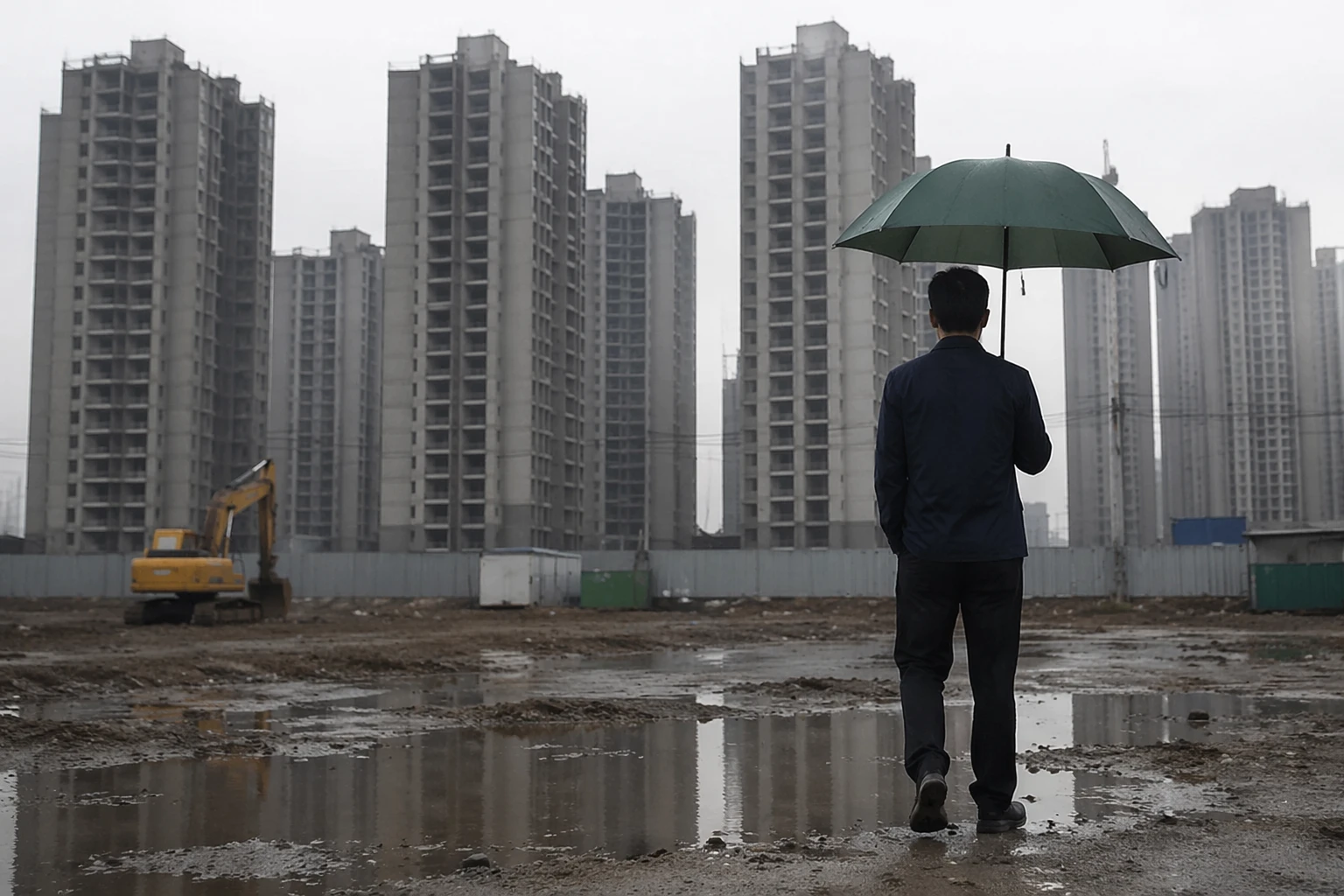
Beijing has been trying to lean against that weakness. The People’s Bank of China gave informal guidance to some major state-owned banks in May to boost lending, following a similar instruction in April, but the results still fell short. Corporate lending did rise, yet not enough to offset the weakness in household demand, which remains tied to tepid consumer spending and the long property slump.
Analysts at ANZ Research and Capital Economics have pointed to weak consumption as the key constraint, and the auto market offered another warning sign. One measure showed automobile sales fell 20% in May, while another showed car sales down 22.1% year on year, prompting the China Passenger Car Association to cut its 2026 sales outlook. That matters because car purchases are usually a better gauge of household willingness to spend than official loan tallies alone.

For U.S. investors, the implications extend well beyond China’s banks. Softer credit growth in China often means weaker demand for industrial commodities, less support for global trade volumes, and more pressure on multinational earnings tied to Chinese consumers and factory activity. The latest lending figures suggest Beijing is still fighting a slow-moving balance-sheet problem, where lower property values, cautious households and weak private demand continue to limit the effectiveness of policy support.
Sources
- [1]kfgo.com
- [2]money.usnews.com
- [3]news.cgtn.com
- [4]english.news.cn
- [5]bloomberg.com
- [6]investing.com