Business
China's oil demand slowdown may drive the next global rally
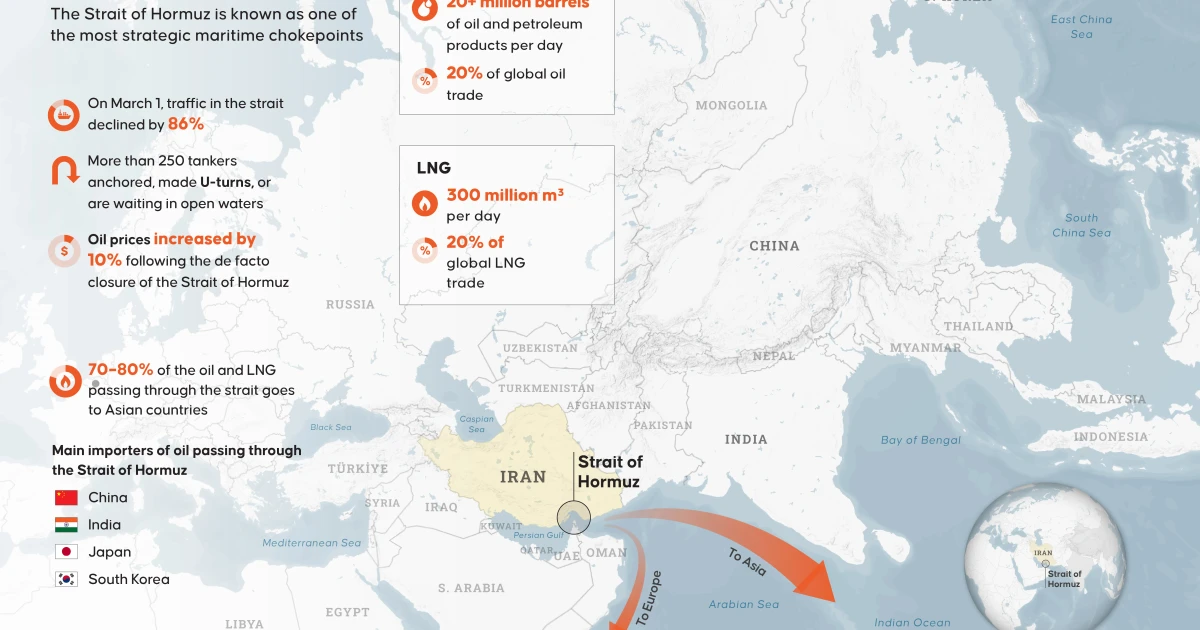
Oil traders are still treating the Strait of Hormuz like the market’s biggest risk, but the sharper price signal may come from Beijing. China’s latest import and refining numbers point to a demand slowdown large enough to mute even a serious supply shock, which helps explain why crude can jump on headlines and still struggle to hold gains.
China is the swing factor
The market misconception is that geopolitics alone will set the next oil leg higher. The cleaner read is that China’s buying pattern, not just Persian Gulf tensions, will decide whether a disruption turns into a durable rally. When the world’s largest crude importer pulls back, refiners in Asia and beyond are forced to lean more heavily on inventories, product margins, and short-term cargo flows instead of chasing barrels at any price.
That is exactly what June showed. Chinese crude imports fell 41% from a year earlier to 29.27 million tons, the lowest level since October 2016 and 12% below May. At the same time, refinery output slipped 9.1% year on year to 53.72 million tons, the weakest since August 2022, while state-owned refiners ran at just 66.3% utilization. Those are not the numbers of a market that is being overwhelmed by demand.
Refineries are signaling caution, not shortage
The key detail is that China did not simply stop refining because it lacked crude. It also drew 41 million barrels from onshore inventories in June, one of the largest monthly stock draws on record. That tells a more nuanced story: refiners are meeting some needs by running down stored barrels rather than pulling fresh supply into the country at the same pace as before.
The Middle East still matters because it typically supplies about half of China’s crude imports. But if Chinese buyers are already slowing their purchases, the region’s influence on global prices becomes less about immediate replacement demand and more about whether Beijing decides to restock. A supply scare can lift prices briefly; a large Chinese restocking cycle can sustain the move.
Petrochemicals are propping up demand while transport weakens
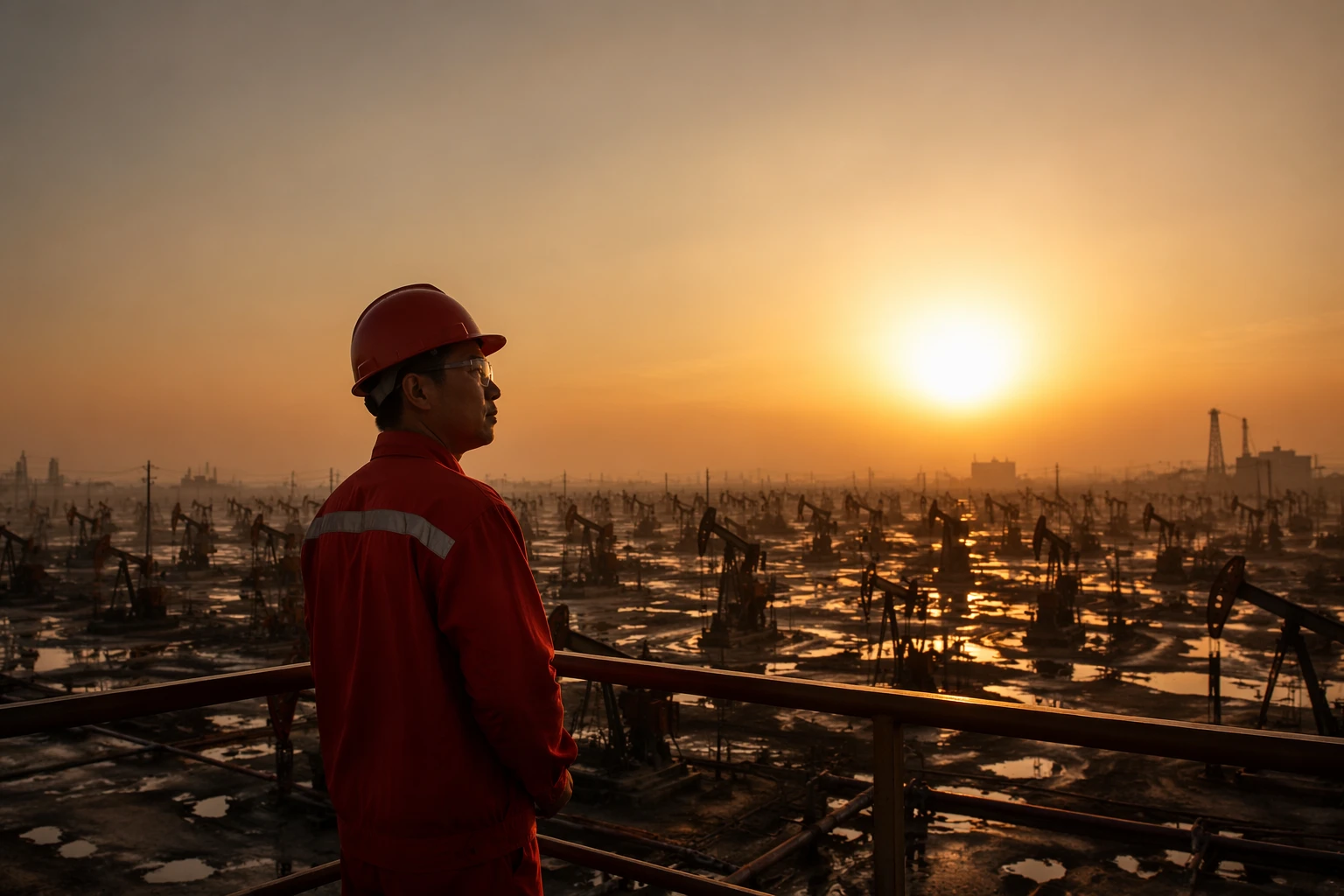
Kpler’s 2026 outlook adds another layer to the story. It sees China’s oil demand growth as petrochemical-led, not transport-led, which is a sign that gasoline and diesel are losing their old grip on the balance. Rising electric vehicle penetration is expected to displace 540,000 barrels per day of gasoline demand in China in 2026, enough to offset part of any rebound from industry or travel.
That matters because the old model of oil demand relied on cars, trucks, and jet fuel doing most of the work. China is moving toward a different mix, where feedstocks for chemicals can still expand even as road-fuel demand weakens. For traders, that means the headline number on Chinese demand can look stable while the composition underneath becomes much less supportive for crude prices.
The broader balance already looks looser
The International Energy Agency’s June 17 Oil Market Report reinforces that shift. It now expects global oil demand to decline by 1.1 million barrels per day year on year in 2026, a downgrade of 700,000 barrels per day from its May view. It also sees global supply falling by 3.9 million barrels per day to 102.4 million barrels per day in 2026 before rebounding in 2027, and refinery crude throughputs contracting by 2 million barrels per day to 82 million barrels per day.
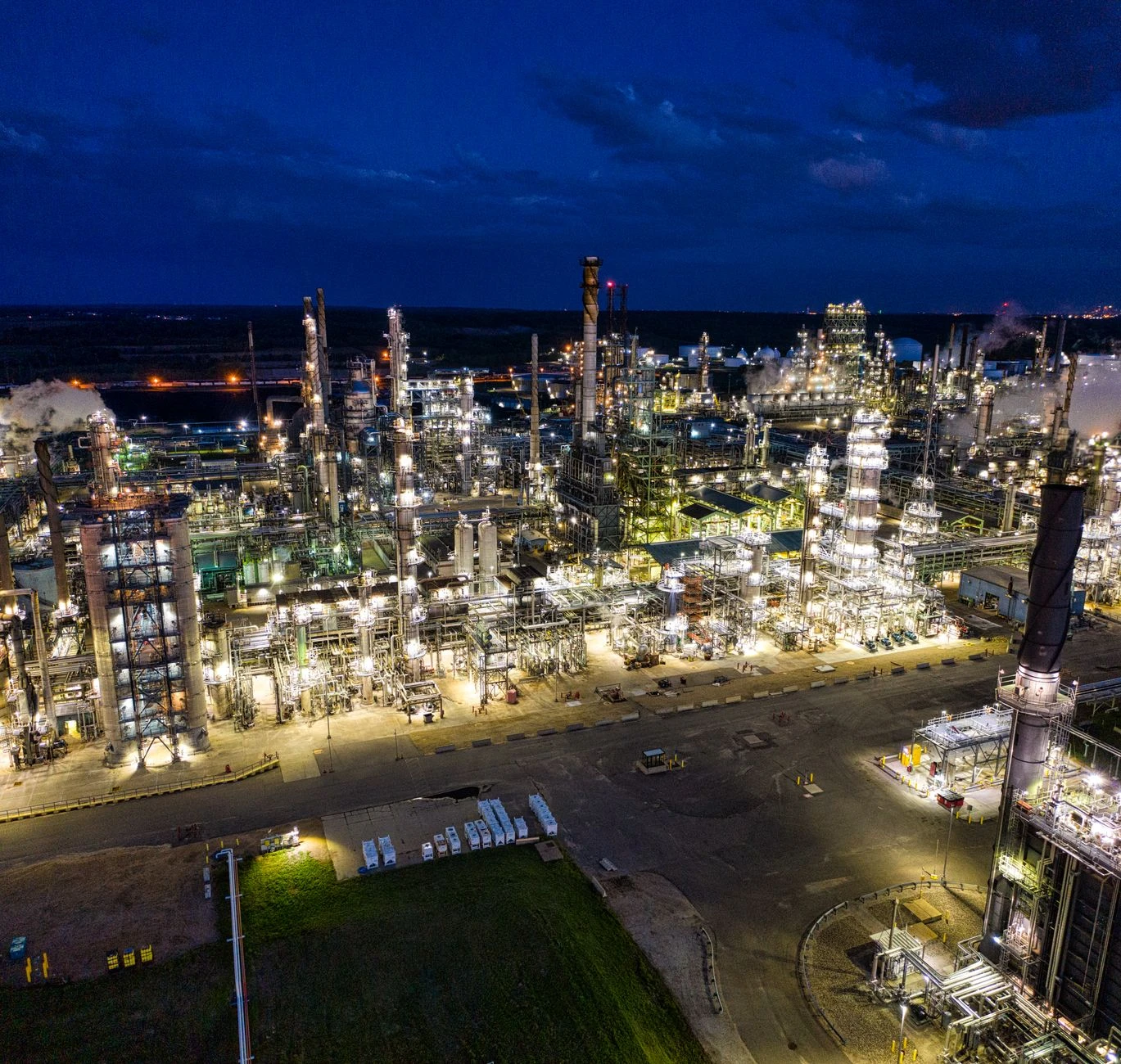
The agency cut its 2026 crude runs by 370,000 barrels per day, with sharper reductions in China, the Middle East, Eurasia and non-OECD Asia. That is a crucial point for oil pricing: the market is not just dealing with a possible disruption in one corridor, but with a broader slowdown in the number of barrels actually being processed into fuels. When refinery runs weaken, crude demand weakens too, even if headline supply concerns dominate the news cycle.
Hormuz still moves the price, but the market is learning to look through it
The U.S. Energy Information Administration said on July 7 that Brent averaged $85 per barrel in June and then briefly fell below $70 on July 1, a sharp reminder that geopolitical premiums can vanish quickly when the physical balance does not tighten. The EIA said shipping traffic through the Strait of Hormuz increased after the June 18 U.S.-Iran memorandum of understanding, following a period in which the strait had been effectively closed since February 28.
The EIA now expects worldwide crude production and trade flows to return near pre-conflict levels by year-end, with most shut-in production back online by the first quarter of 2027. That timeline matters because it suggests the market is already looking past the immediate shock and toward normalization. If that normalization arrives while Chinese imports remain soft, the next sustained rally will need more than just a temporary geopolitical spike.
OPEC+ is still adjusting supply, but the bigger fight is on demand
Supply management has not disappeared from the market. On June 7, OPEC+ said seven members, Saudi Arabia, Russia, Iraq, Kuwait, Kazakhstan, Algeria and Oman, agreed to a July production adjustment of 188,000 barrels per day. That is a modest move relative to the shifts now visible in global demand and refining, but it shows that producers are still trying to manage the backdrop while markets are repricing risk.
The practical takeaway is straightforward: China’s purchasing, storage, and refining decisions now sit near the center of oil pricing. If Chinese imports recover and refiners lift runs, the same Middle East disruptions that briefly rattled Brent could feed a much stronger rally. If China stays cautious and continues drawing on inventories, traders may find that the next big oil move depends less on Gulf headlines than on whether Beijing decides to buy.
Sources
- [1]news.google.com
- [2]iea.org
- [3]eia.gov
- [4]energyconnects.com
- [5]kpler.com
- [6]opec.org