Business
China’s Regulator Blocks Meta’s AI Amid Tensions
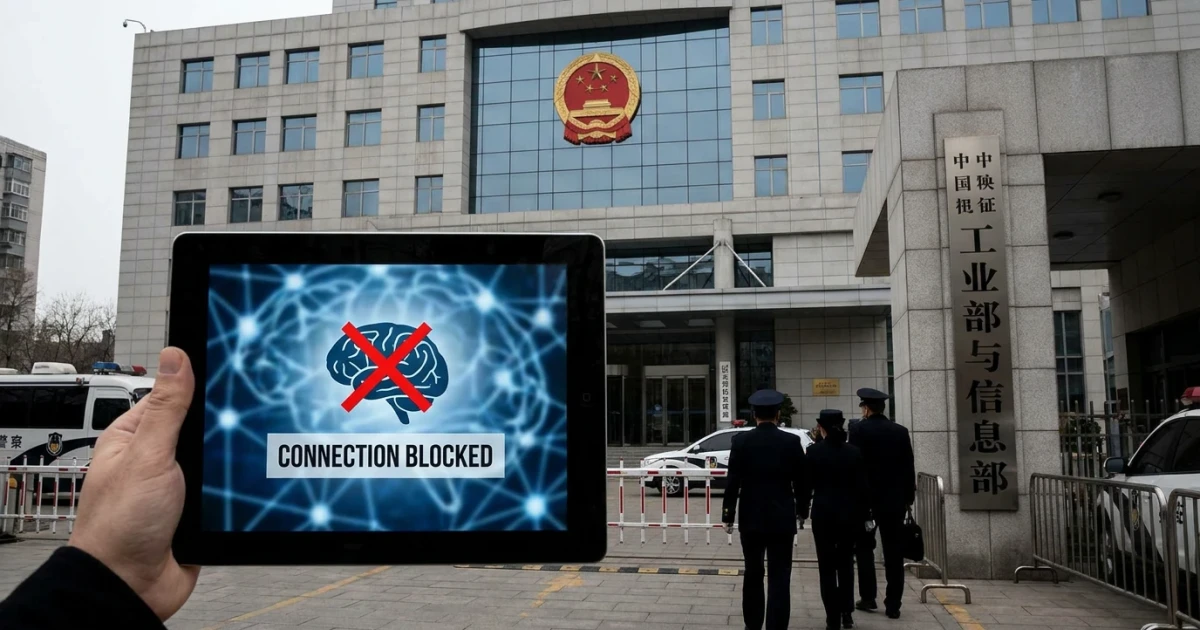
China’s main internet regulator has moved to block Meta’s AI efforts, intensifying a standoff that reflects the deepening tech rivalry between Beijing and Silicon Valley. The dispute, as reported by Financial Times and Bloomberg, centers on Meta’s Manus AI model, which now faces what Bloomberg called a 'backlash' rendering it 'officially dead' in the Chinese market.
Regulator Halts Meta’s AI Ambitions
The standoff involves a government body with roots in China’s Mao era, responsible for overseeing and controlling the digital ecosystem. According to the Financial Times, this regulator has refused to approve Meta’s Manus AI model for the Chinese market, effectively shutting down its prospects following a period of scrutiny over foreign technology and data security.
Bloomberg reported that the regulator’s decision marks a firm rejection of Meta’s attempt to gain a foothold in China’s burgeoning artificial intelligence landscape. The Manus model, developed as part of Meta’s global AI strategy, was expected to compete with local Chinese offerings, which are tightly regulated under the country’s evolving rules for generative AI services. The decision, Financial Times says, signals the government’s intent to maintain strict control over foreign AI technologies and protect local players.
China’s Tightening AI Regulation
China’s regulatory crackdown is rooted in a broader government push for data sovereignty and technological self-reliance. The country’s Interim Measures for the Management of Generative AI Services outline specific requirements that AI systems must meet, including compliance reviews and restrictions on data sources, especially for foreign-developed models. These measures are enforced by the same Mao-era regulator, which has broad authority over internet content and technology imports.
Financial Times and Bloomberg both highlight that, unlike other Western tech giants, Meta’s AI model failed to receive even a provisional nod, suggesting heightened scrutiny and fewer opportunities for negotiation. While some analysts had speculated on possible concessions or limited pilots, Bloomberg’s coverage concludes that the Manus model is “officially dead,” meaning Meta must either substantially alter its approach or withdraw from the Chinese AI market altogether.
Implications for Global Tech Competition
This regulatory blockade comes amid rising competition between Chinese and U.S. technology companies. Meta, parent of Facebook and Instagram, has been investing heavily in AI, but China’s market remains largely closed to its core services. The Manus model was seen as a potential bridge, but the current standoff underscores the challenges foreign AI faces in China.
- China’s AI sector is growing rapidly, with domestic investment and state support fueling local champions.
- As noted in the China Academy of Information and Communications Technology’s 2023 AI industry white paper, China’s AI market is now among the world’s largest, but foreign participation is shrinking due to regulatory hurdles.
- Meta’s latest AI financials, available in its public filings, show increased R&D spending, but the company is forced to look elsewhere for international growth.
Broader Impact for Meta and the Industry
The breakdown of Meta’s Manus project in China reflects a broader pattern of failed Western tech entries in the country. Analysts cited by Financial Times believe this will push Meta to focus its AI resources on markets with more open regulatory environments. Meanwhile, Chinese tech firms benefit from both regulatory protection and access to the world’s largest pool of digital consumers.
According to both Financial Times and Bloomberg, the episode highlights how geopolitical tensions and national security concerns are reshaping global technology flows, with AI at the center of the contest. The outcome may accelerate the development of separate, national AI ecosystems—one led by Chinese firms, the other by U.S. and European companies.
Looking Ahead
For now, Meta’s Manus model remains sidelined, and the company faces new obstacles in accessing the world’s fastest-growing AI market. With no sign of a regulatory thaw, industry watchers expect the rift between China and foreign AI providers to deepen, reinforcing the importance of local compliance and cross-border tech diplomacy in the coming years.