Business
China’s robotics boom reshapes Kunshan’s factory job market
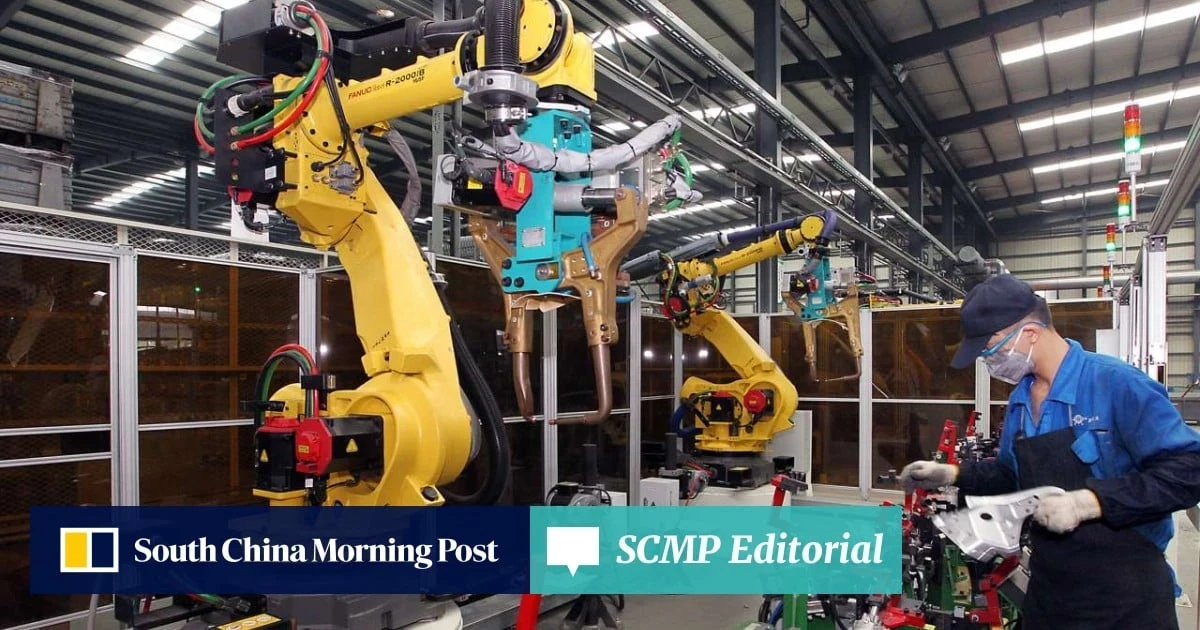
In Kunshan, the factory town’s new waiting room is a park. Workers who once depended on the electronics lines west of Shanghai are now watching robots absorb the repetitive assembly and inspection jobs that used to anchor the local labor market, even as officials and companies frame automation as the route to lower costs and higher value production.
Kunshan’s manufacturing model is under strain
Kunshan, in Jiangsu province just west of Shanghai, built its reputation on electronics manufacturing and cross-strait supply-chain integration. For three decades, it drew large numbers of Taiwanese firms and workers, and local reporting has described the city as producing about one-third of the world’s laptops. That legacy still shows in the industrial map: Kunshan now has one IT industrial cluster worth more than 100 billion yuan and 11 industrial clusters with output above 10 billion yuan each.
The city’s success also made it a symbol of the export manufacturing model that powered China’s rise. That model depended on dense supplier networks, migrant labor, and labor-intensive assembly, especially in electronics. As automation spreads, the same production system that once created jobs at scale is generating far fewer openings for the workers who built it.
China has crossed a global robotics threshold
The numbers behind the shift are stark. China had 2,027,000 industrial robots in operational use in factories in 2024, the largest national stock in the world. It also installed 295,000 industrial robots that year, equal to 54% of global deployments, while worldwide installations totaled 542,000.
That scale is changing who sells the machines. Chinese robot suppliers held 57% of their domestic market in 2024, up from about 28% over the past decade, meaning local manufacturers for the first time sold more robots at home than foreign competitors. The International Federation of Robotics says industrial robot demand in China could still grow about 10% a year through 2028, a sign that the automation wave is not cresting any time soon.
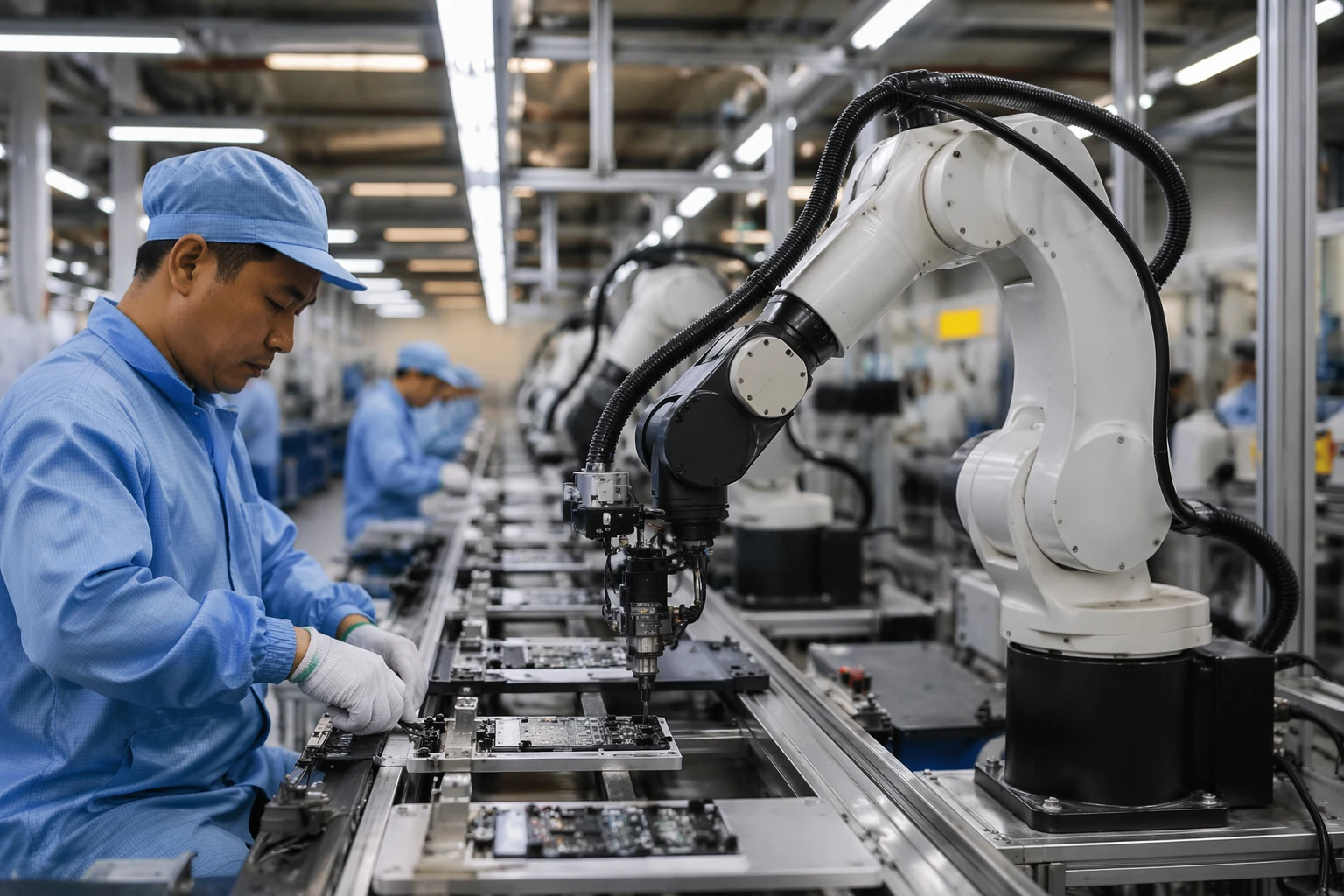
The industrial logic is straightforward. Once robots are widely deployed, the next round of installations becomes cheaper, more familiar, and easier to justify to factory managers facing tighter margins. In a city like Kunshan, that dynamic matters because every robot added to an electronics line can mean one fewer slot for the migrant worker who used to do the same task by hand.
The job losses are visible on the factory floor and beyond it
The automation wave is hitting electronics especially hard because the work is repetitive, standardized, and easy to segment into machine-friendly tasks. Assembly, inspection, and material handling are exactly the kinds of jobs that once absorbed large numbers of workers in Kunshan’s supply chains, including factories tied to Foxconn, Hon Hai Precision Industry, and Apple. As machines take over more of those steps, the labor pool that sustained the city’s factory economy is shrinking.
One Foxconn operation in Kunshan cut its employee strength from 110,000 to 50,000 after introducing robots, a sharp illustration of how fast the labor profile can change when automation scales inside a single plant. That kind of reduction does not just alter payrolls. It changes the surrounding economy, from rental demand and neighborhood shops to the informal rhythms that form around shift work.
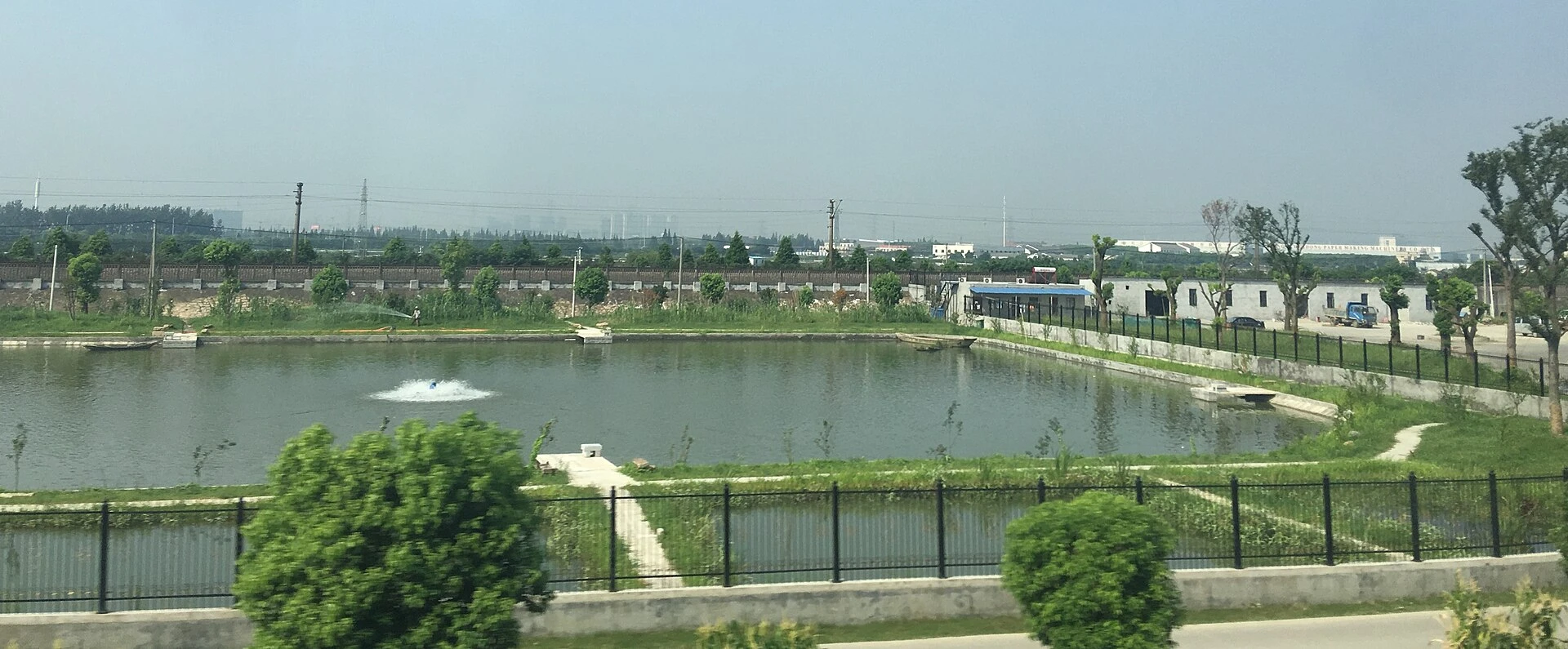
For workers, the human cost is immediate and public. In Kunshan, a park can become the only predictable place to gather when factory gates close and new openings do not appear fast enough. The issue is not simply that robots are arriving. It is that they are arriving faster than new roles are being created for the people displaced by them.
Beijing is making robotics central to industrial strategy
China’s 15th Five-Year Plan, covering 2026 to 2030, puts robotics at the center of national industrial policy. The International Federation of Robotics says robots and AI are now expected to drive future growth, but the same analysis makes the hierarchy clear: humanoid robots are still mostly demonstrators or pilot projects, while traditional industrial robots remain the backbone of manufacturing.
That distinction matters for labor markets. Humanoid robots may capture headlines, but they are not yet the main force reshaping factory employment. Industrial robots are already doing that work quietly, on electronics lines and other production floors where repetition and precision matter more than appearance.
Local officials and companies in Kunshan continue to sell automation as a way to cut labor costs and move up the value chain. The policy case is strong from a competitiveness standpoint: a city that once relied on cheap labor now wants to compete on speed, reliability, and advanced manufacturing. The labor case is harder. Every gain in factory efficiency has to be measured against the shrinking number of jobs left for the workers who once made the system run.
What Kunshan signals for the global AI-era labor debate
Kunshan is more than a local case study. It is a preview of what happens when a manufacturing powerhouse replaces workers faster than it creates new roles, especially in sectors where assembly work can be automated in stages. The city’s experience links China’s robotics boom to the broader global argument over whether employers and governments are preparing enough people for AI-era displacement.
The answer, at least in Kunshan, looks uneven. Industrial policy is moving quickly, domestic robot makers are taking more of the market, and installations keep rising. The workers gathering in parks are living with the lag between that industrial ambition and the slower work of building a new labor market around it.
Sources
- [1]nytimes.com
- [2]ifr.org
- [3]wol.com
- [4]stdaily.com
- [5]planettechnews.com