World
China’s structure at Scarborough Shoal sparks Philippine protest
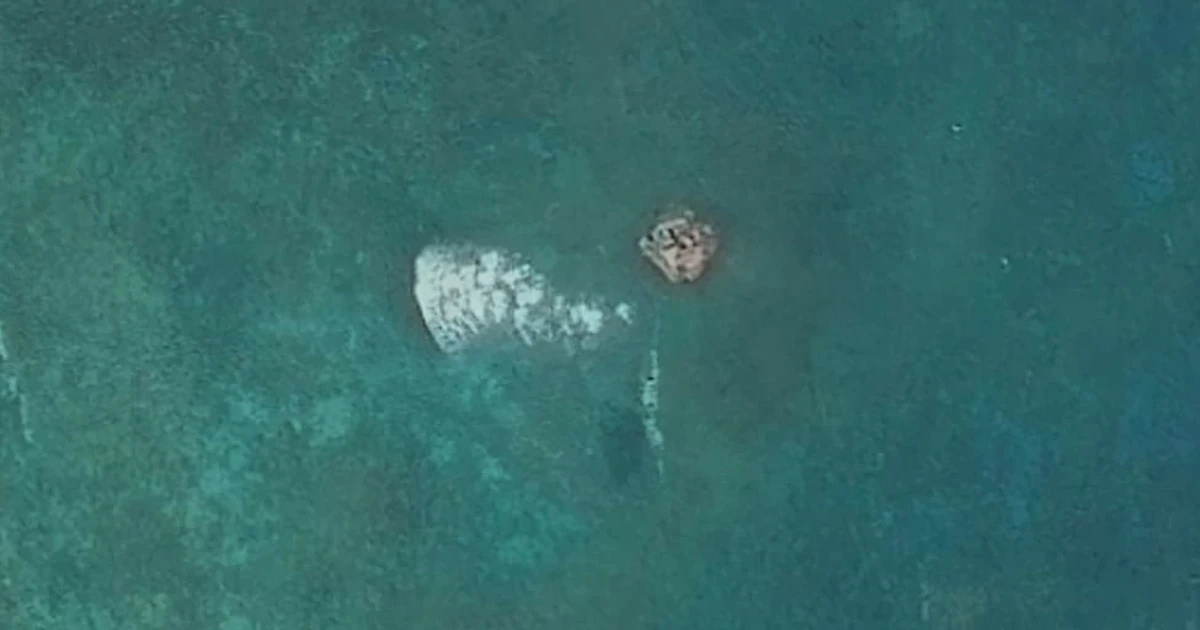
A small floating structure on Scarborough Shoal has become a larger test of American resolve in the Pacific. Philippine officials said the installation, first detected on satellite imagery around May 25, measured about 6 by 6 meters and appeared to carry an antenna, deepening fears that China is trying to tighten its grip on an atoll inside Manila’s exclusive economic zone.
The Philippines’ task force on the South China Sea said it was investigating the object, while the Department of Foreign Affairs filed a formal diplomatic protest over what Manila called its illegal presence. The Associated Press reported that Philippine officials feared the structure could be part of an effort to turn the uninhabited shoal into an island base. Chinese authorities have called it a scientific structure, but the timing has sharpened concern over Beijing’s intentions in one of the region’s most contested waters.
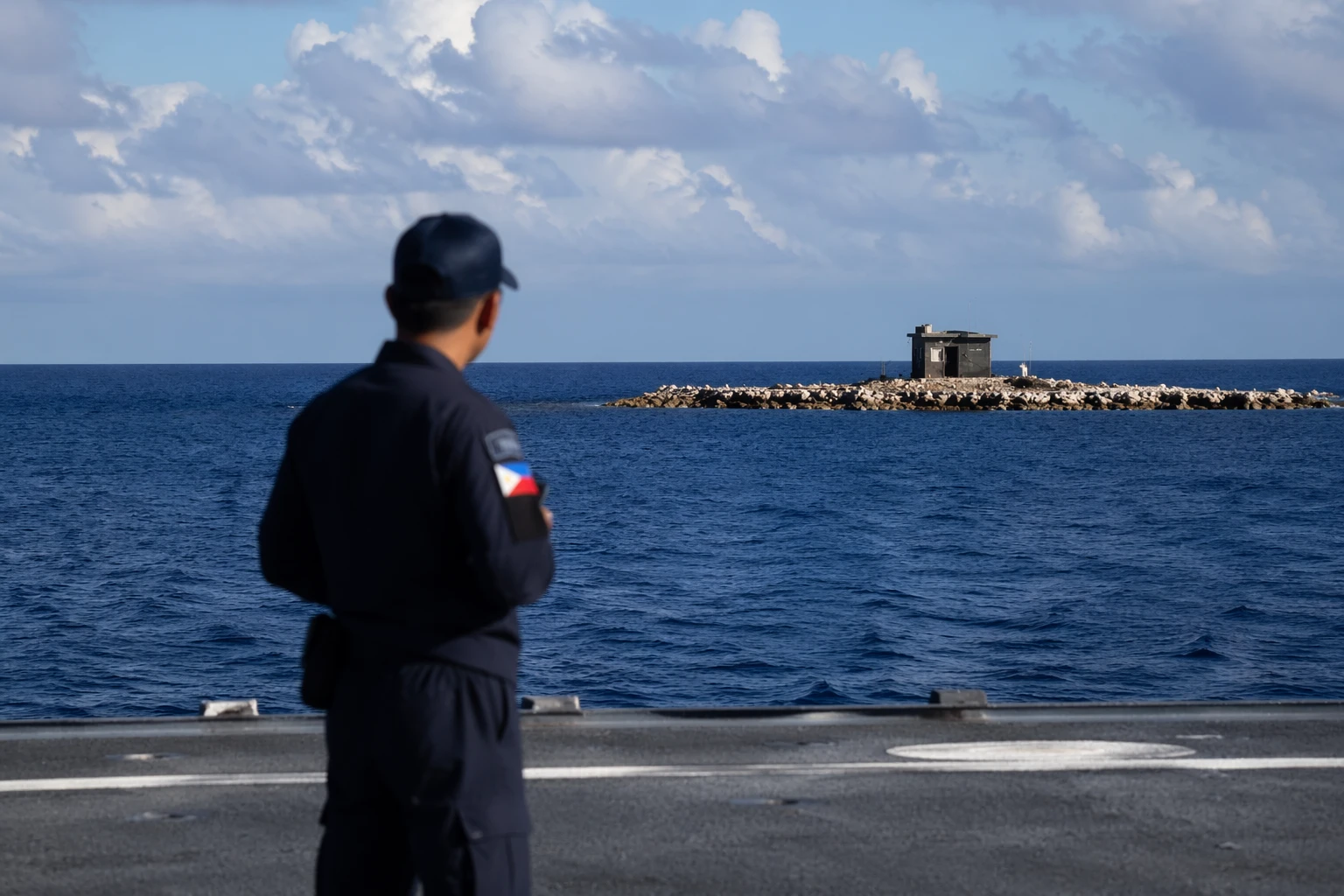
For Washington, the issue is more than a bilateral dispute. U.S. officials said intelligence agencies were closely monitoring activity around Scarborough Shoal, a move that in policy terms signals more than passive watching. It means tracking whether China is shifting from harassment to a more durable foothold, weighing the credibility of the U.S.-Philippine alliance, and deciding how much pressure can be applied without triggering a wider confrontation. The State Department said the United States stands with the Philippines and rejected China’s attempt to establish a national nature reserve at Scarborough Reef.
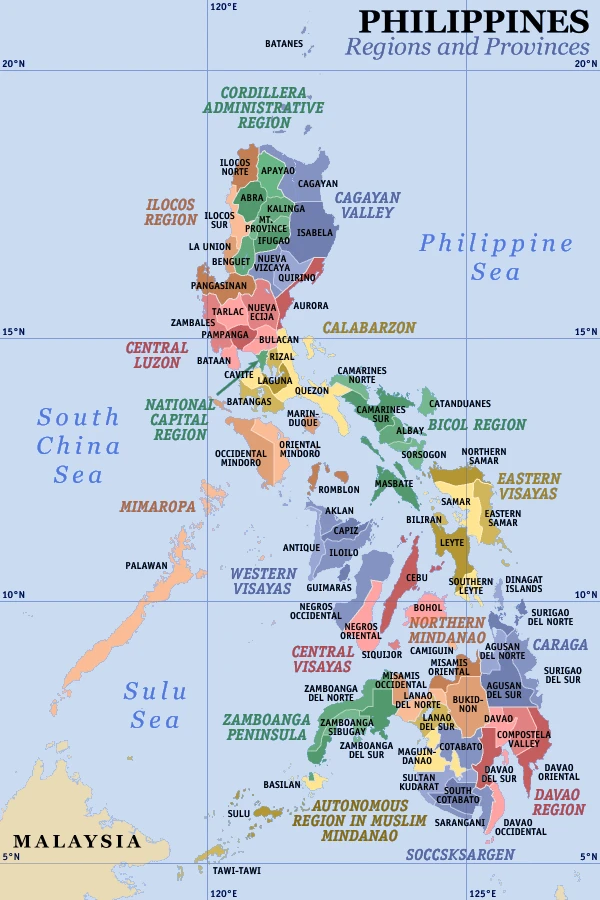
Scarborough Shoal, known in the Philippines as Bajo de Masinloc and in China as Huangyan Dao, lies near Luzon and within the Philippines’ exclusive economic zone. China has kept a near-constant presence around the shoal since a 2012 standoff left Beijing in de facto control. The latest flare-up revived attention to the 2016 South China Sea arbitration, which found the shoal is a rock entitled only to a 12-nautical-mile territorial sea and said China violated Filipino fishermen’s traditional fishing rights there, though it did not decide sovereignty.
The stakes extend beyond the reef itself. The South China Sea remains a critical shipping corridor carrying billions of dollars in annual trade, making any shift in control or access a direct issue for American economic and security interests. If Beijing can harden its position at Scarborough without cost, allies across the region will read restraint as hesitation. If Washington pushes too hard, it risks a crisis that could draw the United States into a sharper confrontation over a sea lane central to Pacific stability.
Sources
- [1]cbsnews.com
- [2]apnews.com
- [3]usnews.com
- [4]straitstimes.com
- [5]state.gov
- [6]amti.csis.org