World
China’s Tianwen-2 reaches Earth’s mysterious quasi-moon Kamooalewa
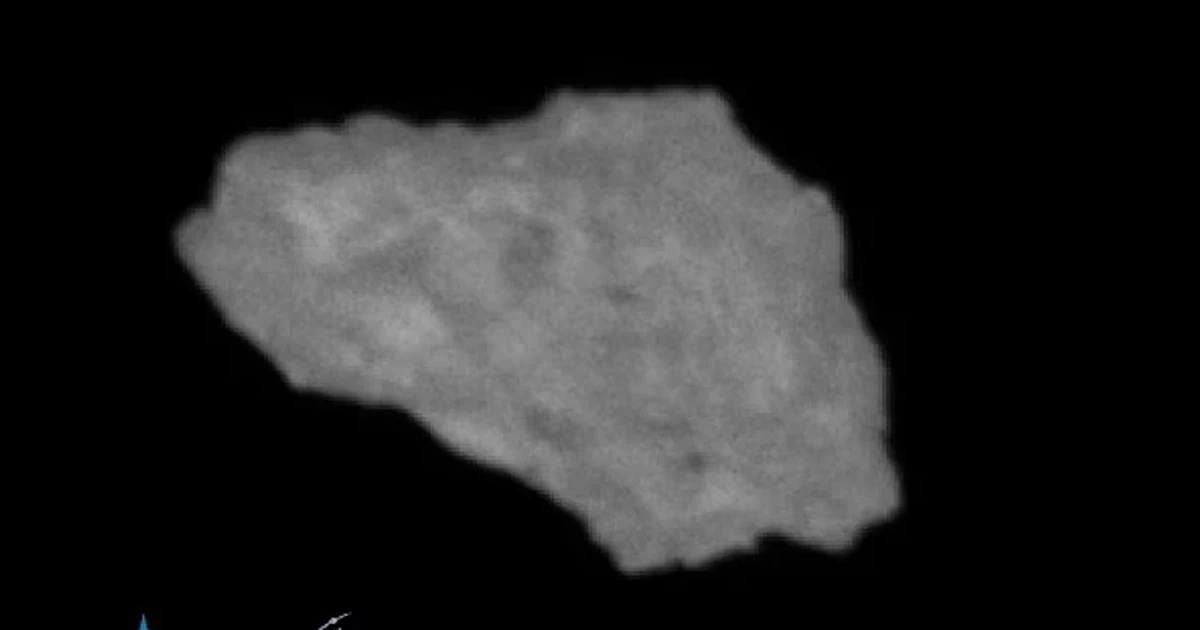
China’s Tianwen-2 probe has taken its first close image of Kamo’oalewa from about 20 kilometers away, after a roughly 400-day flight that covered about 1 billion kilometers.
Launched on May 29, 2025 from the Xichang Satellite Launch Center, the spacecraft headed first for the near-Earth object also known as 2016 HO3 and 469219 Kamooalewa. The probe detected the asteroid on June 6, 2026, closed to about 3,000 kilometers the next day, reached about 2,000 kilometers on June 19, and then moved in to about 20 kilometers for the July 2 image. The China National Space Administration is now beginning more detailed observations of the object’s shape, composition and internal structure before attempting sampling.
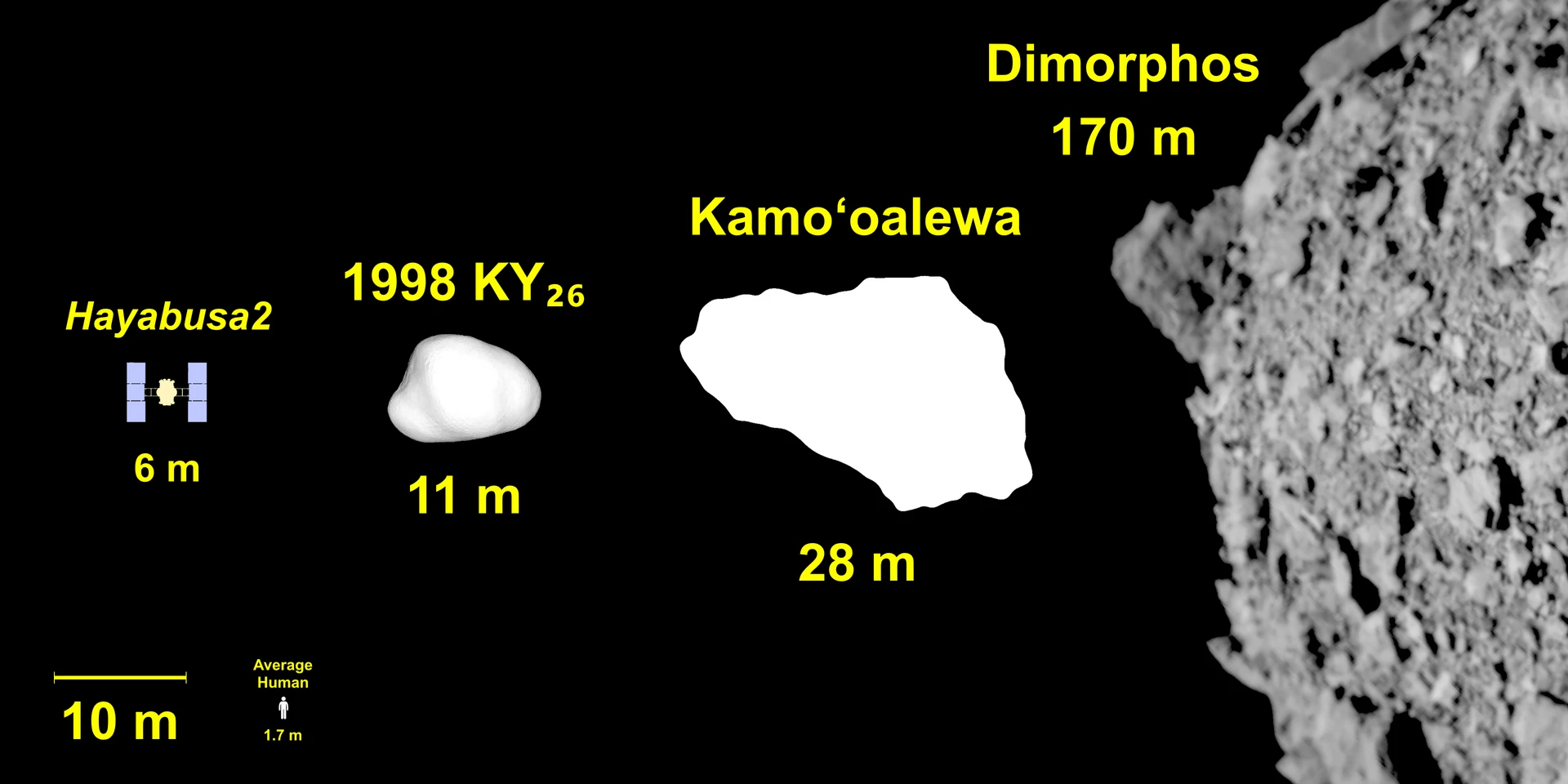
Kamooalewa is not a moon in the ordinary sense. It is a quasi-satellite of Earth, circling the Sun while staying in Earth’s neighborhood and looping around the planet over time. Pan-STARRS discovered it at Haleakala Observatory on April 27, 2016, and its physical properties are still uncertain: estimates put its diameter at about 27.4 meters or roughly 40 to 100 meters, depending on the model, while its rotation period is only about 28 minutes. That combination makes it a difficult target and a useful one, because weak gravity and rapid spin complicate any attempt to collect material without losing it.

China says Tianwen-2 is designed to test weak-gravity surface sampling, high-precision autonomous navigation and control, and low-thrust transfer trajectory design. The probe will not stop with Kamooalewa. Chinese mission plans also send it onward to main-belt comet 311P/PanSTARRS, turning the spacecraft into a multi-target demonstration of long-range deep-space operations.
The object’s origin remains unsettled. A 2021 Nature paper suggested lunar-like silicate material and a possible lunar source. A 2023 Nature Communications paper said a lunar ejecta scenario could fit rare orbital pathways. A 2026 Nature Communications paper pointed instead to the Flora family. NASA/JPL’s mission-target listing places Tianwen-2’s sample return in November 2027.
Sources
- [1]news.google.com
- [2]cnsa.gov.cn
- [3]spacenews.com
- [4]nytimes.com
- [5]science.nasa.gov
- [6]echo.jpl.nasa.gov
- [7]nature.com
- [8]sciencedirect.com