World
China’s Tianwen-2 sends first close-up image of quasi-moon asteroid
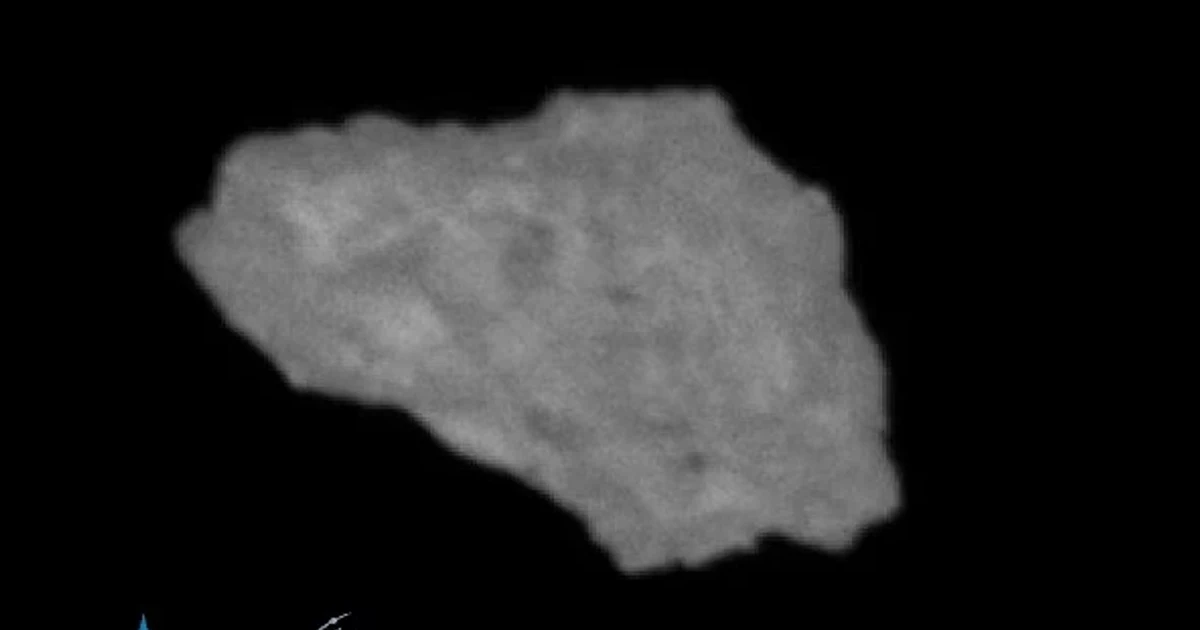
China’s Tianwen-2 probe has sent back the first close-up image of asteroid 469219 Kamo‘oalewa, a near-Earth object that is not a true moon but a quasi-satellite of Earth. The body, also known as 2016 HO3, appears to loop around our planet while actually orbiting the Sun, and the new image was taken from about 20 kilometers away.
The milestone gives China an early lead in one of the most technically demanding corners of planetary exploration. Tianwen-2 launched on May 29, 2025, from the Xichang Satellite Launch Center in Sichuan province aboard a Long March 3B rocket, then spent roughly 400 days traveling about 1 billion kilometers to reach the asteroid in early July 2026. Chinese state media said the spacecraft has now entered its scientific survey phase ahead of a sample-collection attempt.
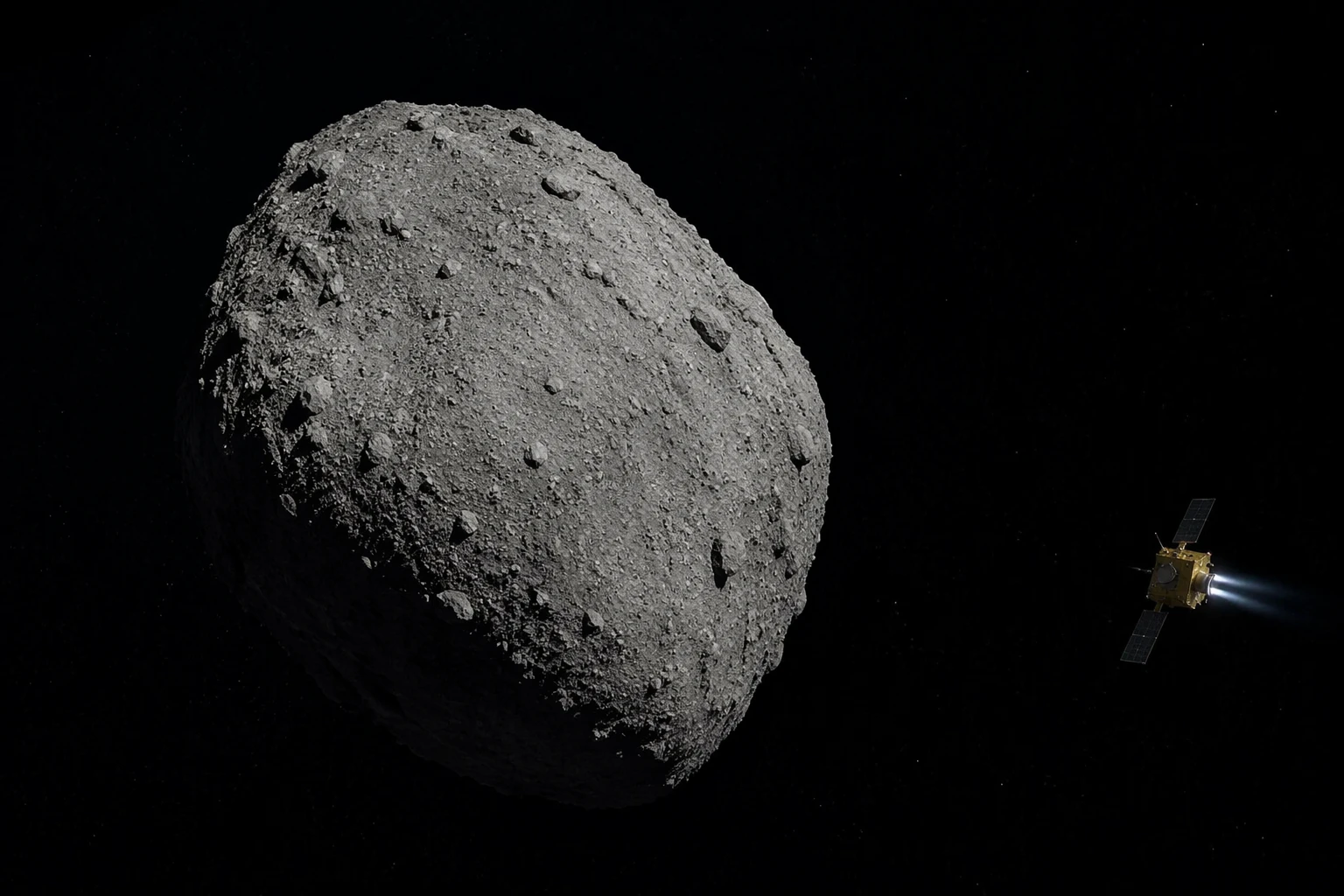
Kamo‘oalewa is only about 40 to 100 meters across and spins once every 28 minutes, a rapid rotation that makes it a challenging target for close work. Scientists have also been narrowing down its behavior and origin. A June 2026 JWST study described it as a uniquely stable quasi-satellite of Earth, and observations in February and April 2026 helped sharpen the case for bringing back material from the object rather than relying only on remote sensing.
The asteroid’s orbit keeps it in Earth’s neighborhood without making it a moon in the usual sense. Scientific American has noted that it comes as close as 9 million miles and as far as 25 million miles from Earth, a wide but persistent loop that has kept it under close watch by astronomers. The Planetary Society said Tianwen-2 appeared to complete a rendezvous maneuver on June 7, 2026, before the close-up imaging phase, underscoring how precisely Chinese flight controllers have kept the mission on track.
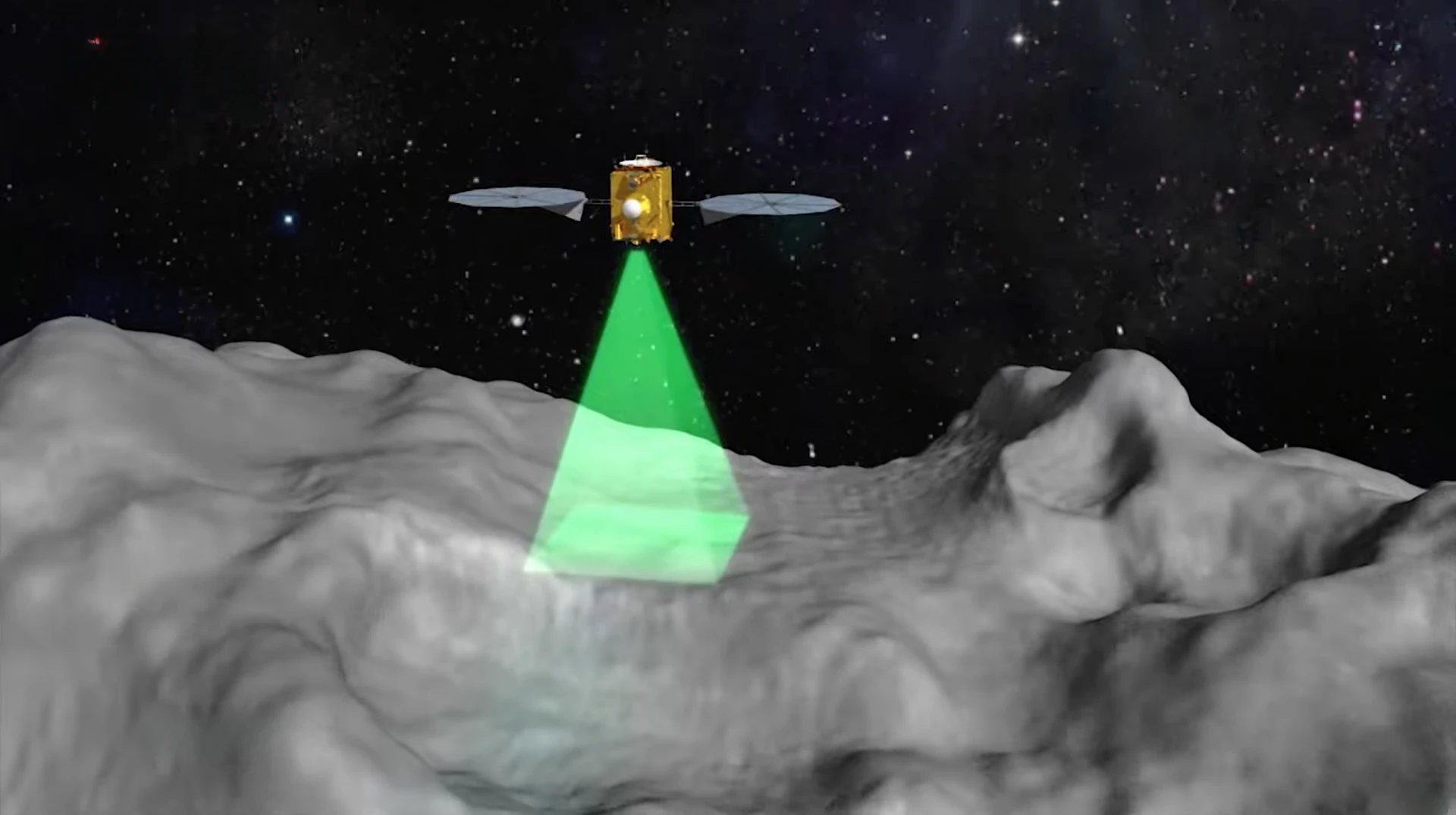
China describes Tianwen-2 as its first asteroid sample-return mission, and it is expected to do more than just visit Kamo‘oalewa. After the asteroid work, the spacecraft is also slated to study the main-belt comet 311P, extending the mission deeper into the small-body population that holds clues to how the solar system formed. For Beijing, the first close-up image is not just a scientific image. It is a marker of how quickly China is moving into the front rank of asteroid exploration, where sample return and deep-space navigation are becoming the next test of space power.
Sources
- [1]news.google.com
- [2]spacenews.com
- [3]english.scio.gov.cn
- [4]scientificamerican.com
- [5]arxiv.org
- [6]planetary.org