Politics
China’s Two Sessions Set Stage for Key Policy Decisions
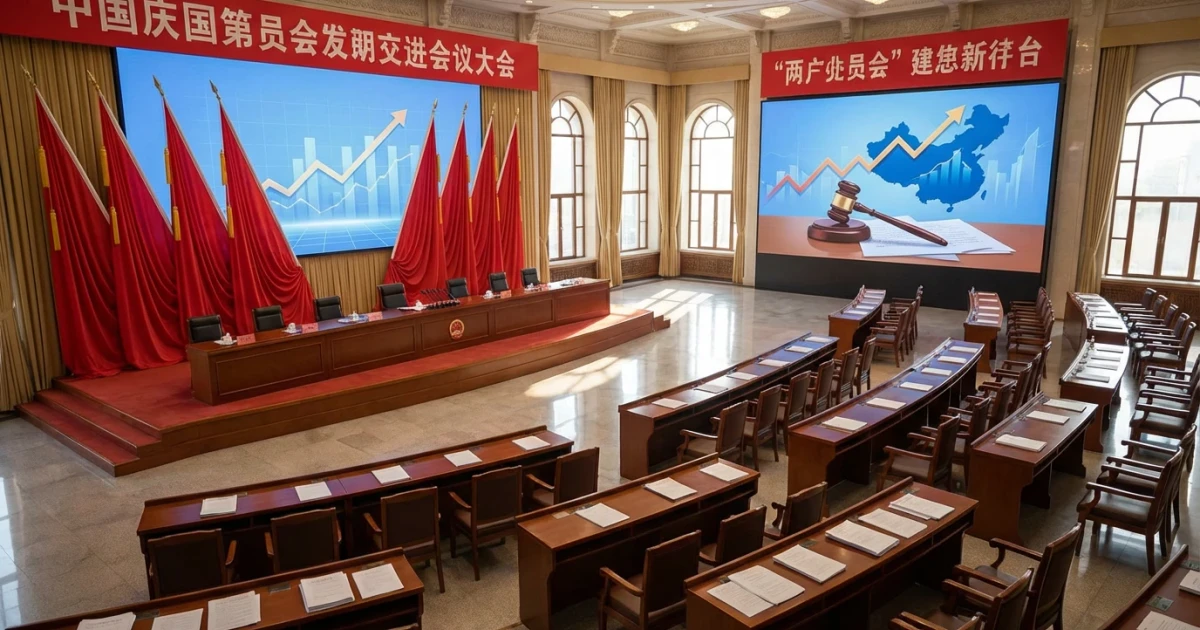
The annual 'Two Sessions'—the convening of China’s National People’s Congress and the Chinese People’s Political Consultative Conference—have long stood as the nation’s most significant political event, setting the course for legislation, economic policy, and social development. With global eyes on Beijing, the proceedings provide rare insight into the country’s priorities and governance.
Understanding the Two Sessions
The term Two Sessions refers to the simultaneous meetings of the National People’s Congress (NPC), China’s top legislative body, and the Chinese People’s Political Consultative Conference (CPPCC), a political advisory body. Held every March in Beijing, the sessions bring together nearly 3,000 NPC deputies and more than 2,000 CPPCC members from across the nation.
- The NPC is responsible for reviewing and approving laws, major policies, and government appointments.
- The CPPCC gathers representatives from various sectors, offering policy suggestions and gauging public sentiment.
As the BBC explains, the Two Sessions are not only ceremonial but essential for signaling government priorities and introducing new legislative measures. The event’s scale and formality underscore its role as a barometer for the country’s trajectory.
Why the Two Sessions Matter
The Two Sessions hold heightened importance due to their timing and the breadth of issues addressed. They serve as a platform for:
- Unveiling the annual Government Work Report, which sets economic growth targets, fiscal policy, and social priorities for the year.
- Reviewing draft legislation on key areas such as technology, education, environment, and national security.
- Confirming senior government appointments and leadership changes.
International analysts closely monitor the sessions for clues on China’s economic health and political stability. Policy signals from the Two Sessions often impact global markets, given China’s role as the world’s second-largest economy.
Policy Focus and Economic Targets
One of the most anticipated moments is the release of the Government Work Report, delivered by the Premier. This document outlines China’s official economic targets—including GDP growth rate, employment, and inflation—while detailing social and environmental goals. The Two Sessions also serve as a venue for discussing structural reforms, innovation strategies, and responses to domestic and international challenges.
According to background coverage provided by China Daily, recent sessions have prioritized advancing high-tech industries, promoting sustainable development, and addressing demographic shifts. The government’s approach to balancing economic growth with social stability is a recurring theme, reflecting both domestic pressures and international expectations.
Legislative Process and Public Engagement
While the NPC is often viewed as a body that formalizes decisions made by top leaders, the legislative process during the Two Sessions involves extensive consultation and debate. Deputies and CPPCC members submit proposals, which are reviewed and sometimes incorporated into policy drafts. The event also provides a channel for public concerns to be raised at the national level, with issues such as healthcare, education, and rural development frequently highlighted.
For those seeking to understand the structure and function of the Two Sessions, the CSIS ChinaPower Project offers a comprehensive explainer complete with charts and timelines, shedding light on the complex interplay between legislative and advisory bodies.
Global Implications
The significance of the Two Sessions extends beyond China’s borders. Decisions made during these meetings can affect global supply chains, environmental policy, and international relations. As a result, diplomats, investors, and analysts worldwide pay close attention to the outcomes and policy shifts announced in Beijing each spring.
Looking Ahead
As China navigates a shifting economic landscape and growing international scrutiny, the Two Sessions remain a central fixture in the country’s political calendar. The decisions reached and directions set during this period will continue to shape not only China’s domestic agenda but also its role on the global stage.