World
China’s virtual parents offer comfort to lonely young adults
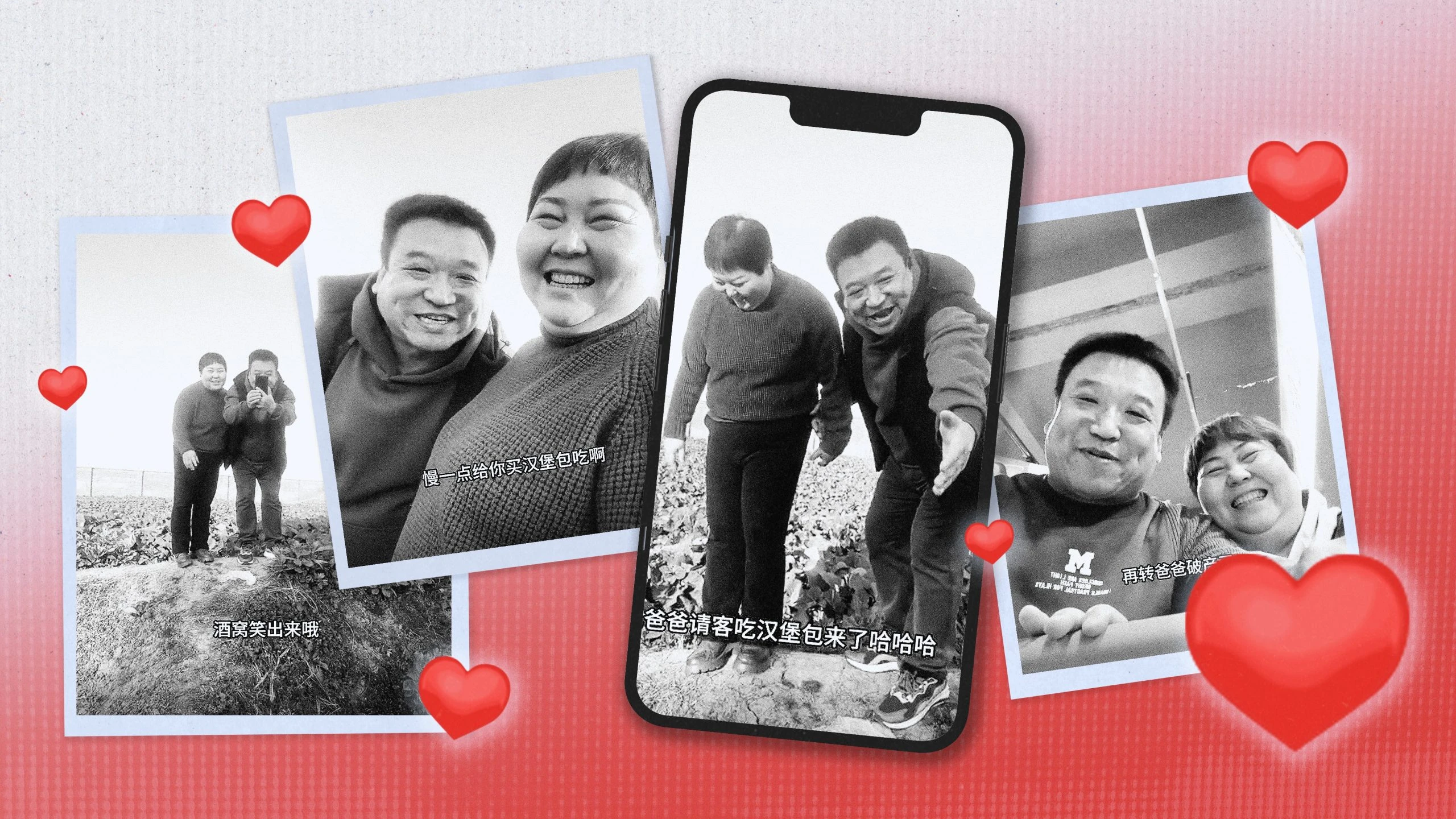
A father and mother in Hanzhong are filling an emotional gap that many young Chinese say their real families leave open. On Douyin, Jiang Xiuping and Pan Huqian perform a gentler version of parenthood, greeting followers as if they were their own children and offering the reassurance, gifts and encouragement that many viewers say they rarely hear at home.
The appeal is not just sentimental. Their popularity points to a broader stress test in Chinese society, where economic inequality, urban isolation, strong parental expectations and limited access to mental-health support are pushing younger adults to seek comfort from strangers on their phones.
What virtual parents are doing online
Jiang Xiuping, 48, and Pan Huqian, 50, run a Douyin account called “Sharing everyday moments with our daughter.” Douyin is China’s version of TikTok, and the couple’s feed is built around idealized parent-child scenes that feel familiar but unusually tender: a comforting word after a hard day, a small gift, a reminder not to overwork, or a blessing for a birthday.
Their videos are designed to feel intimate rather than performative. In one popular clip, they tell viewers not to push themselves too hard and say they know their audience has endured a lot. That tone has helped turn the couple into what fans call their “digital parents,” a label that captures both affection and the emotional vacancy they are helping to fill.
Their audience is large by any measure. In May 2024, the account had more than a million followers on Douyin, and another report put the total at nearly two million. The scale matters because it shows this is not a fringe curiosity, but a mass response to a widespread feeling of strain.
Why the comfort lands so hard
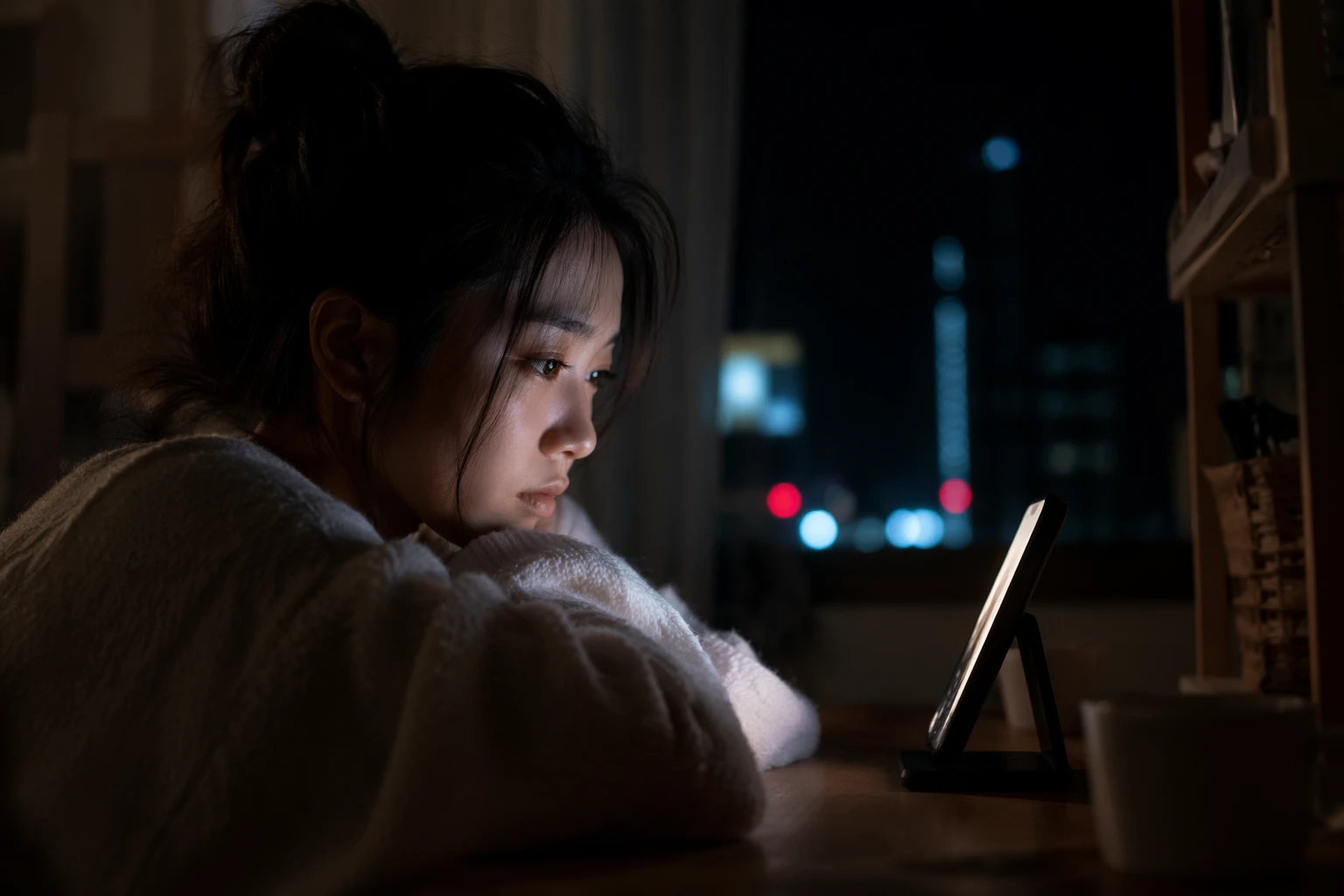
The rise of virtual parents makes sense against the pressures facing many young adults in China. The trend is tied to economic inequality, a scarcity of mental-health resources, and the long shadow of “left-behind” children, those raised by grandparents while parents migrate for work. For many viewers, that background creates a familiar emotional script: practical support may exist, but warmth and affirmation often do not.
Family dynamics can sharpen the gap. Strong parental authority and high expectations remain common, especially around careers and marriage, so a conversation with real parents can feel more like an evaluation than a refuge. Vincent Zhang, a 33-year-old Shanghai-based web developer, captured that contrast plainly: his parents criticize his career choice and pressure him about marriage, while his virtual parents ask whether he is happy today.
That difference is more than a social-media gimmick. It reflects a deeper demand for safe, nonjudgmental attention in a hyper-competitive environment, where many young adults are trying to meet workplace demands, satisfy family hopes and manage emotional fatigue all at once.
A portrait of emotional scarcity
Kailing Xie, an assistant professor at the University of Birmingham, says the trend reflects the human longing for intimacy in a hyper-individualized, hyper-competitive society. That framing helps explain why the videos resonate beyond simple entertainment. The creators are not selling fantasy in the usual internet sense; they are making up for a shortage of everyday reassurance.
Pan Huqian’s own life story gives the videos added weight. He has said he left home at 14 after his mother was paralyzed and he became the family breadwinner. He also said he went 33 years without receiving encouragement from his own parents, a history that helps explain why his online persona leans so heavily toward warmth, patience and verbal affirmation.
That personal background matters because it shows the content is not detached from lived experience. Pan has described trying to build a warmer family atmosphere for his own daughter, suggesting that the virtual parenting project is also a form of emotional repair.
The family behind the fiction
The couple’s on-screen family is carefully staged, but the real household is more grounded. Jiang and Pan work as wedding planners in Hanzhong, Shaanxi province, and their videos often depict long-distance family moments even though their real-life daughter lives in the same city. The contrast between fiction and fact is part of what makes the account persuasive: it borrows the emotional language of distance and reunion to speak to viewers who feel alone even when surrounded by people.
Their daughter has her own online role as an influencer who sells women’s clothes on Douyin. That detail underscores how the family has turned digital work into a shared economic strategy, even as the content itself is rooted in care and comfort. The arrangement also shows how Chinese creators are using platform culture not just to entertain, but to support family livelihoods.
Why the trend keeps growing
The popularity of virtual parents has a practical dimension as well as an emotional one. A niche group of similar creators had already gained large followings before the trend took off in 2024, suggesting that the format answers a real and expanding need. The more ordinary the performance feels, the more powerful it becomes: a calm tone, a birthday wish, a reminder to rest.
That is why the account has drawn such loyalty from followers who ask for comfort and encouragement rather than celebrity-style access. The videos offer a rare interaction where judgment is replaced by care, and pressure is replaced by permission to slow down. In a society where many young adults feel measured by grades, salary, marriage prospects and family duty, that switch can feel radical.
For China’s young urban workers, virtual parents are best understood as a symptom, not a curiosity. They reveal how much emotional labor has been outsourced to the internet, and how urgently many people are searching for the kind of steady reassurance that should exist offline.
Sources
- [1]bbc.com
- [2]restofworld.org
- [3]aol.com
- [4]msn.com
- [5]nextshark.com