Technology
Chinese AI hardware stocks fall on reported U.S. import ban plan
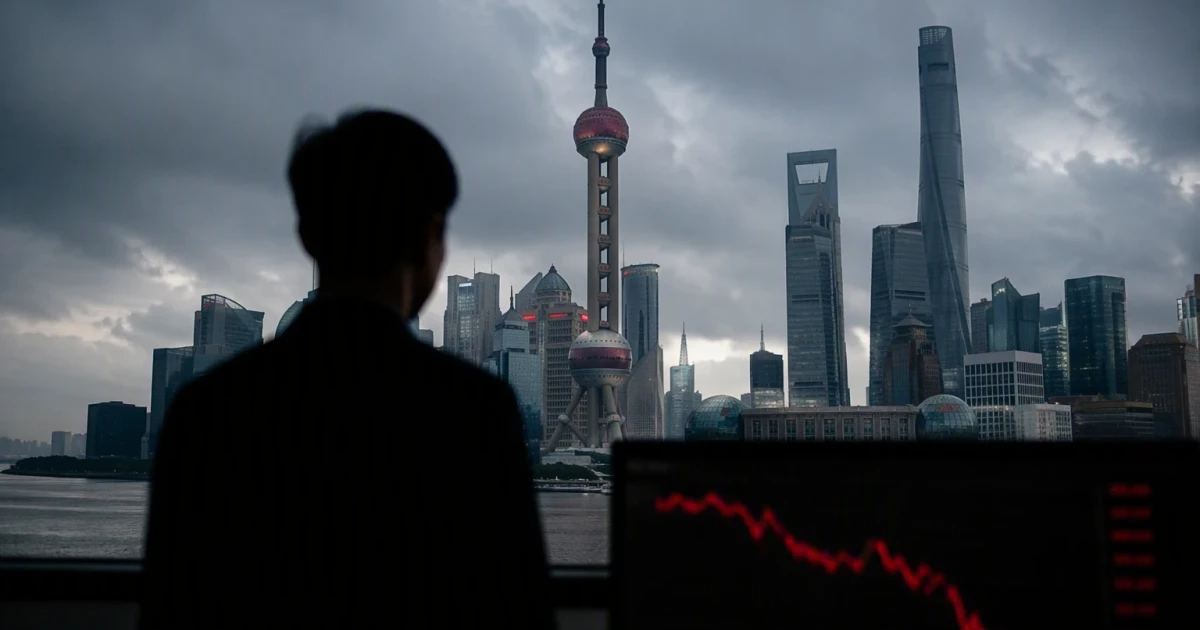
Chinese AI hardware stocks fell on Wednesday after news that the Trump administration is drafting a ban on U.S. imports of new models of Chinese data centre components. The move rattled a sector built on long supply chains, heavy capital spending and customers spread across borders, and it immediately pulled down shares tied to optical networking and other AI infrastructure parts.
Zhongji Innolight fell 7.1% in Hong Kong and 7.0% in Shenzhen in afternoon trading, while Eoptolink Technology dropped 5.0%. Those declines showed how quickly investors are pricing in policy risk for Chinese firms that supply the hardware behind artificial intelligence buildouts, from server racks to optical transceivers and other chip-adjacent equipment.
The proposed ban would add another layer to the U.S.-China technology split that has already hardened through export controls on advanced chips, manufacturing tools and other AI-related technologies. Washington has been trying to keep Chinese hardware out of American data centers, and the Federal Communications Commission sits in the policy context because it regulates communications equipment in the U.S. market. If the scope broadens, Chinese suppliers could also face pressure in allied markets that often follow U.S. technology restrictions.
Analysts described the curbs as relatively mild because they would preserve existing supplies while targeting next-generation products, a sign that Washington is trying to balance national-security concerns with the cost of replacing Chinese capacity. Even so, the market reaction suggested traders see a meaningful threat to future sales. Chinese manufacturers that depend on foreign orders would be the first to feel it, followed by U.S. buyers looking for alternate sourcing, chip-adjacent firms tied to networking gear and packaging, and global hardware pricing if replacement parts become more expensive.
The stakes are higher because AI infrastructure is scaling fast. The same servers, components and interconnects that power machine learning systems have become strategic assets, and import rules can reshape who gets to sell into the biggest data center market in the world. China has also moved to protect its own supply chain. On November 5, 2025, it banned foreign AI chips from state-funded data centres, tightening controls around the same technology class now drawing fresh scrutiny in Washington.
Sources
- [1]reuters.com
- [2]morningstar.com
- [3]amp.scmp.com
- [4]x.com