Business
Chinese automakers use Canada as launchpad for U.S. market push
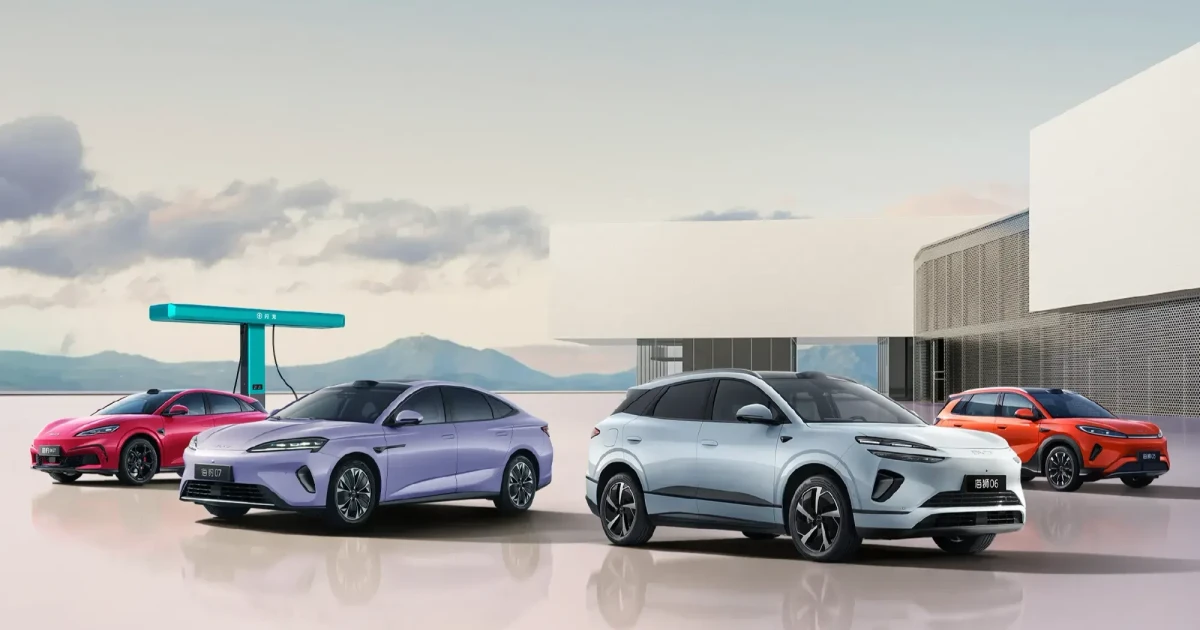
After Mark Carney’s January 16 trade deal with China opened an initial quota for 49,000 Chinese electric vehicles a year at a 6.1% tariff, Chinese automakers moved quickly. Chery held its first meetings with Canadian car dealers, BYD planned six dealerships, Lotus planned another six, and Changan assembled a Canadian launch team. Ottawa put the quota into force on March 1 on a first-come, first-served basis for the first six months, and the cap is set to rise to about 70,000 over five years.
Canada sold 1,859,549 new vehicles in 2024, while the U.S. market totaled 16.2 million light vehicles in 2025. Canada's consumer tastes and regulations look far closer to the American market than Mexico's. BYD has started compliance procedures to import two passenger cars to Canada, and Chery brought nearly two dozen Canadian dealership representatives to the Beijing auto show, where it also weighed an office in the Toronto area.
Chery International president Zhang Guibing put the company’s ambition bluntly in Wuhu in May: “We definitely have the idea of selling cars in the United States.”
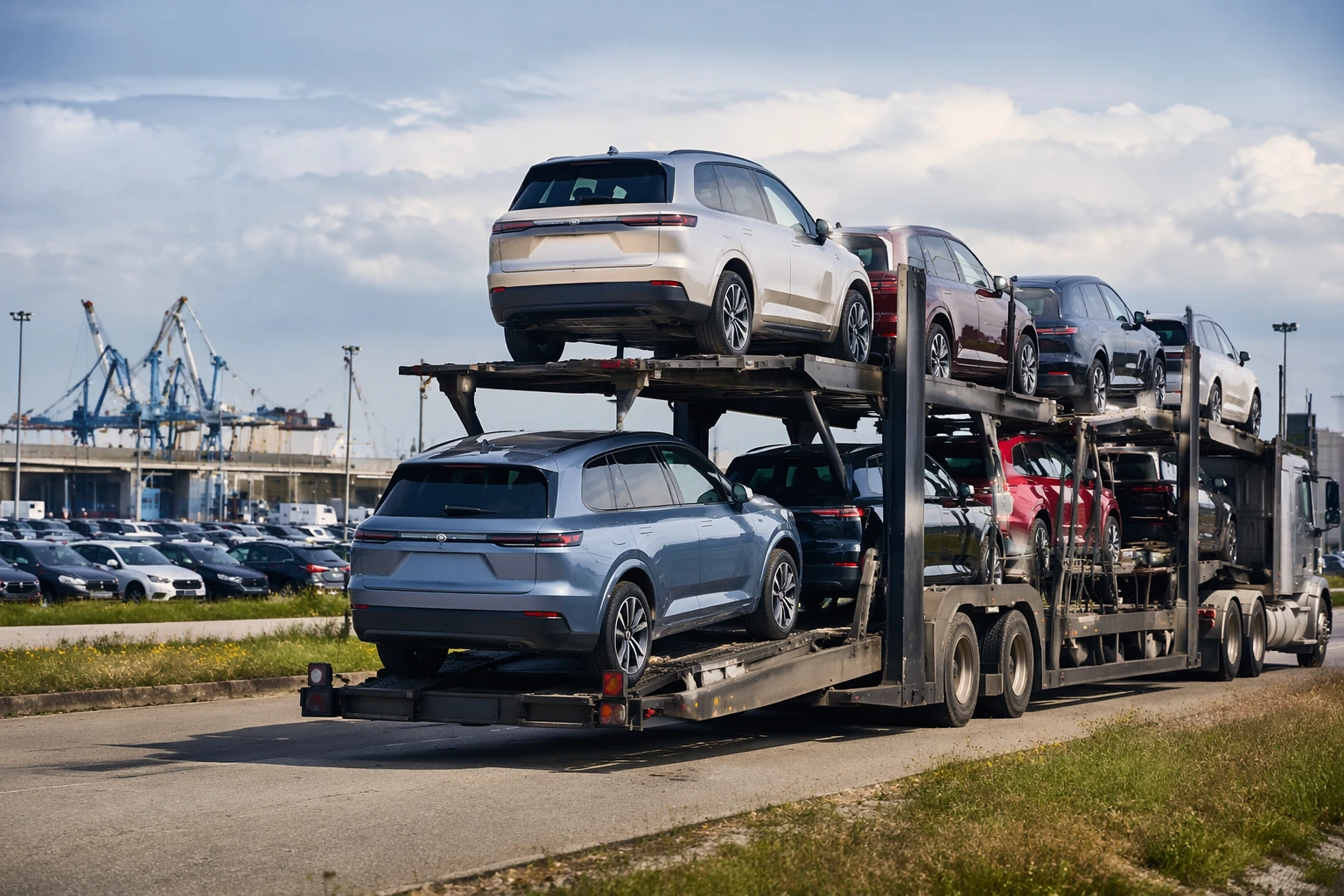
Ottawa had imposed a 100% surtax on Chinese-made EVs effective October 1, 2024, on top of the existing 6.1% MFN tariff, before shifting to the quota system. The thaw with Beijing also restored beef market access for 20 registered Canadian meat establishments, while Ottawa pledged $3 billion from the Strategic Response Fund, up to $100 million from the Regional Tariff Response Initiative and a new automotive task force on January 26 to support the sector. Doug Ford urged Canadians to boycott Chinese-made EVs, and Carney said the quota is still only a low, single-digit share of the Canadian auto market.
Sources
- [1]money.usnews.com
- [2]canada.ca
- [3]international.canada.ca
- [4]autonews.com