Business
Chinese Cars Take Center Stage at Trump-Xi Summit
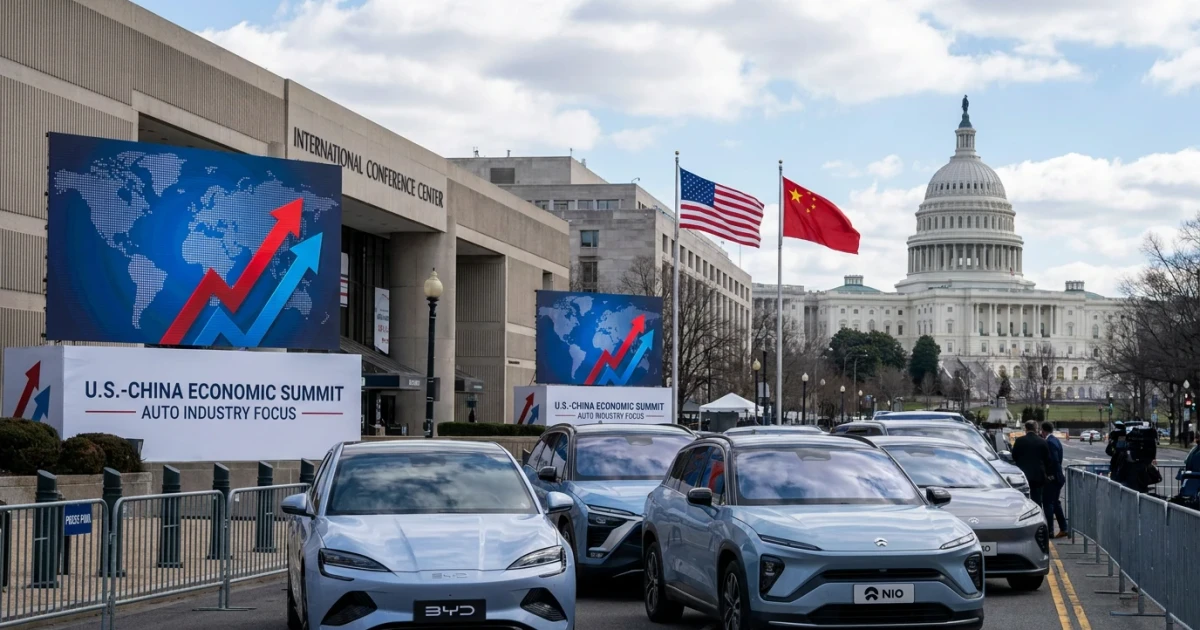
Chinese-made vehicles have emerged as a central issue in transatlantic trade and policy discussions following the high-profile summit between former President Donald Trump and Chinese President Xi Jinping. As both the U.S. and Europe grapple with the prospect of Chinese cars entering their markets in force, industry leaders and policymakers are weighing the economic, regulatory, and strategic implications of this shift.
Summit Highlights Rising Tensions Over Automotive Trade
The Trump-Xi summit, as reported by Politico, brought the issue of China’s explosive growth in automobile production into sharp focus for American and European leaders. Chinese automakers—bolstered by state support, aggressive investment in electric vehicles, and economies of scale—have become leading exporters of vehicles globally. Politico notes that the summit raised unsettling questions about how prepared Western economies are to compete as Chinese brands look to expand beyond their home market.
While the U.S. has long maintained tariffs and certification hurdles to limit Chinese auto imports, Reuters highlights that industry analysts see the arrival of Chinese cars as a matter of "when, not if." The growing sophistication and competitive pricing of Chinese electric vehicles (EVs) in particular have made them highly attractive in emerging and mature markets alike.
Implications for the U.S. and European Auto Industries
The threat of a surge in Chinese auto imports is especially acute for American and European automakers. The U.S. has responded with measures including the Protecting American Auto Workers from China Act, which aims to restrict Chinese investments and vehicle imports. However, experts cited by Politico and Reuters warn that such policies may provide only temporary relief unless domestic automakers accelerate innovation and cost competitiveness, especially in the EV sector.
- China produced over 27 million vehicles in 2023, according to OECD data.
- Chinese car exports have surpassed 4.9 million units annually, making China one of the world’s top vehicle exporters.
- The European Parliament has issued briefings on the competitive threat posed by Chinese EVs, urging tighter import controls and increased investment in domestic auto technologies.
Regulatory and Trade Policy Responses
Policymakers in both the U.S. and Europe face tough decisions on balancing market access with the interests of local manufacturers. The Federal Register details ongoing requests for public comment on possible changes to automotive rules of origin, which could further restrict Chinese imports. Meanwhile, the U.S. Trade Representative’s Section 301 investigation has reaffirmed the government’s commitment to addressing perceived unfair trade practices by China.
Europe has similarly proposed tougher certification and content requirements, with the European Commission launching anti-subsidy investigations into Chinese EVs. These regulatory steps underscore the shared anxiety among Western nations that their auto industries could be undercut by cheaper, state-backed Chinese competitors.
Industry Outlook and What’s Next
While the Trump-Xi summit highlighted the political and economic stakes, industry analysts agree that the momentum behind Chinese automakers is unlikely to slow. Reuters notes that the U.S. and Europe may ultimately need to adapt to increased competition by fostering domestic innovation, improving trade alliances, and developing more resilient supply chains.
As the global auto industry shifts toward electrification and digital technologies, the question is not whether Chinese cars will arrive on Western roads—but how governments and manufacturers will respond. The outcome will help define the next chapter in the competition for global automotive leadership.