World
Chinese dissident Dong Guangping reaches Canada after sea escape from South Korea

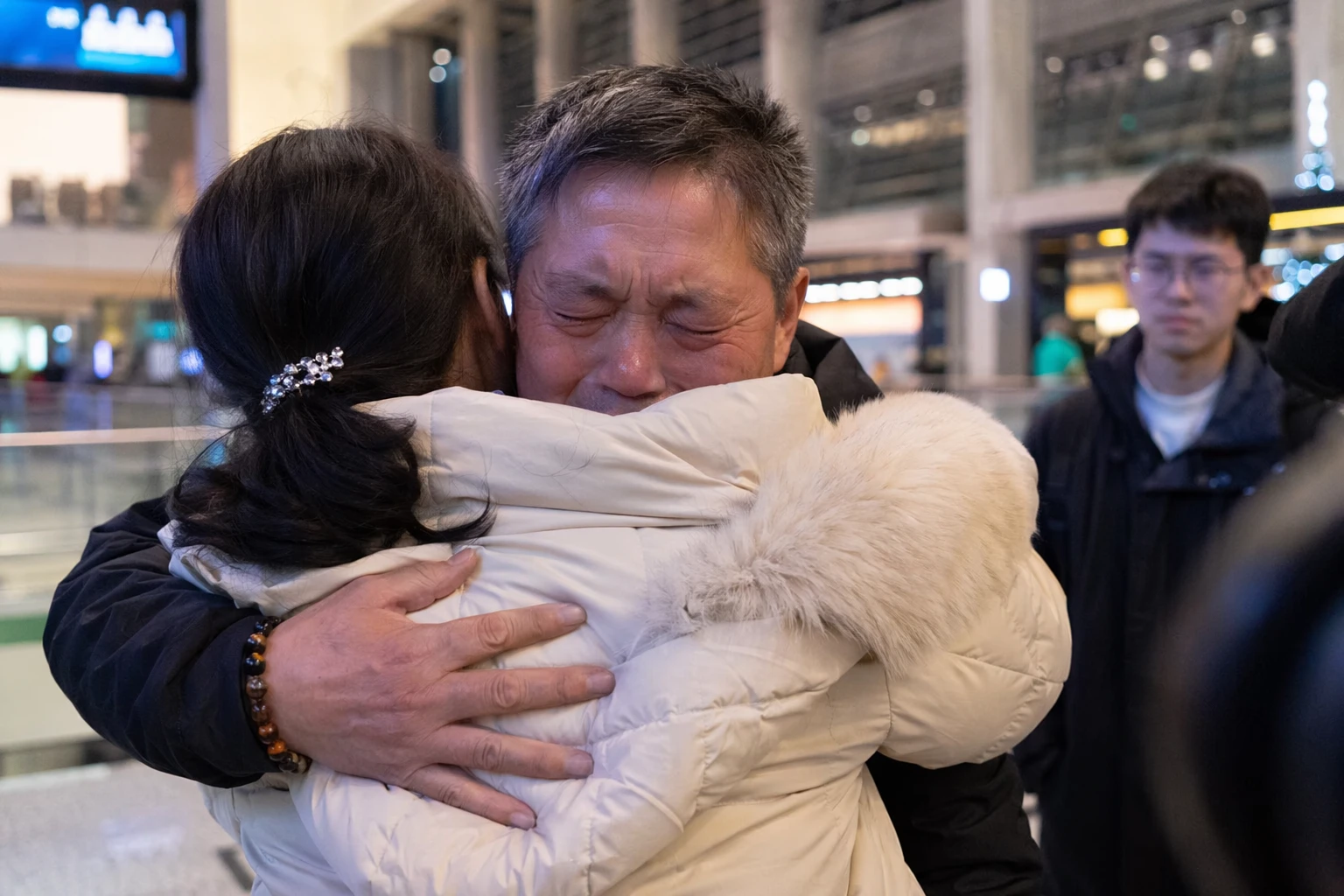
Dong Guangping has reached Toronto, ending a perilous journey that carried the 68-year-old Chinese dissident from the Yellow Sea to the city where his family lives. His arrival in Canada closed a route that began last month on South Korea’s west coast, where authorities found him near Taean after he crossed from China in a small inflatable boat.
South Korean officials said Dong had spent roughly 30 hours at sea in a 3.3-meter rubber boat powered by a 9.9-horsepower engine. He was taken ashore and questioned on suspicion of violating immigration laws before he was eventually able to leave for Canada. The episode highlighted the uneasy position democracies face when a high-profile critic of Beijing reaches their territory by irregular means: the immediate question is not only asylum, but also how to balance border enforcement, human-rights protection and pressure from China.
Dong’s path out of China was shaped by years of punishment for political speech. A former police officer, he was dismissed from the force in 1999 after signing a petition supporting victims of the 1989 Tiananmen Square crackdown. He was imprisoned from 2001 to 2004 on a charge of inciting subversion of state power, then detained again in 2014 after Tiananmen-related commemorations. Front Line Defenders has described him as a human rights defender and former political prisoner.
This was Dong’s fourth known attempt to flee China. He tried to reach Taiwan in 2019 and nearly drowned, crossed into Vietnam in 2020 and was detained there, and was reportedly arrested and deported by Vietnamese authorities in 2021. A United Nations communication in 2022 warned that he faced arbitrary detention, enforced disappearance and the risk of refoulement in Vietnam. Front Line Defenders also said he completed an 11-month prison sentence in October 2023 after a separate conviction for illegal border crossing.
Dong’s earlier flight with his family to Thailand in 2015 laid bare the limits of refugee protection when states cooperate unevenly. The UNHCR recognized Dong and his family as refugees, and Canada approved them for resettlement, but Thai authorities deported him back to China anyway. His move to Toronto reunites him with relatives who had already made Canada home and places Ottawa once again in the center of a broader test: how a liberal democracy handles Chinese dissidents once they finally escape Beijing’s reach.