Technology
Chinese Parents Embrace AI to Boost Education
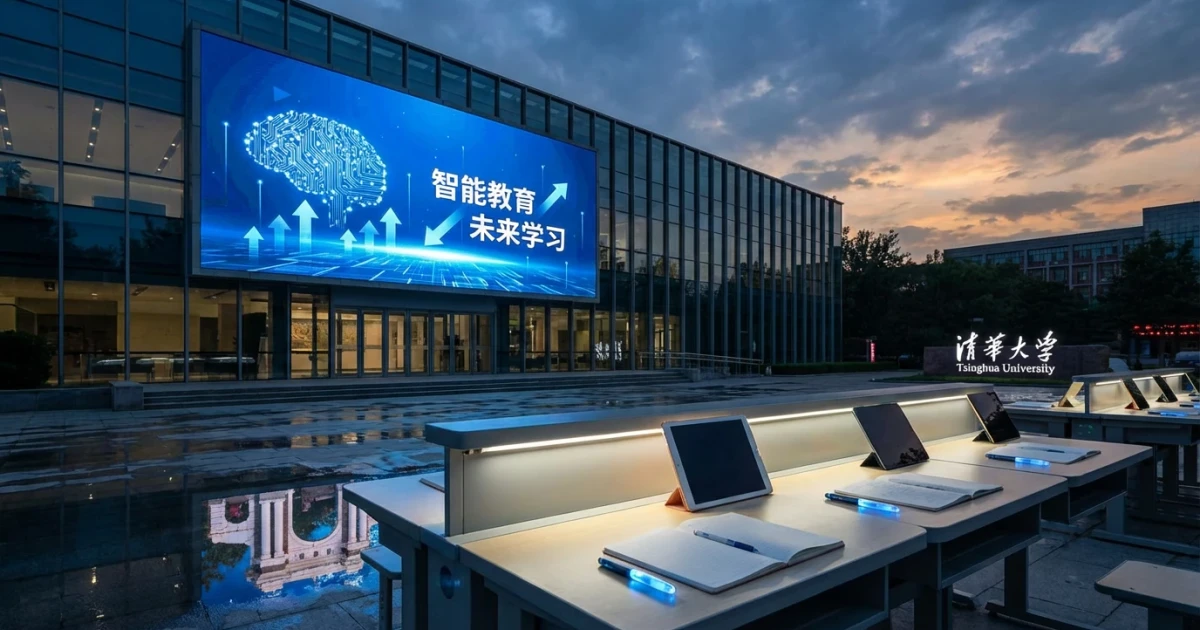
Across China, a nation renowned for its rigorous academic environment, parents are increasingly turning to artificial intelligence tools to help their children gain a competitive edge. The rise in AI-assisted education marks a significant shift in how families approach homework, tutoring, and extracurricular learning.
Growing Demand for AI in Education
Chinese parents have long sought ways to support their children's academic success, but the pressure has intensified in recent years. According to a recent survey, nearly 70% of parents now use AI-powered tools for their children's education. These applications range from interactive learning games that make studying more engaging, to chatbots that can instantly grade homework and offer personalized feedback.
- Interactive apps help children practice math, languages, and science in a playful way, often using gamification to increase motivation.
- AI chatbots and grading tools provide rapid assessment, allowing students to learn from mistakes and parents to monitor progress in real time.
- Adaptive learning platforms adjust the difficulty and pace of coursework based on the child's performance.
Industry data from Statista shows that the market for AI in education in China has experienced exponential growth, with investments, user numbers, and overall market size increasing year over year.
Motivations and Impact
Experts attribute this surge in AI adoption to a combination of factors. The highly competitive Chinese education system puts immense pressure on students to excel in national exams and stand out for university admissions. For many parents, AI offers a way to supplement traditional schooling and give their children an extra advantage, especially as after-school tutoring faces tighter government regulation.
According to a recent OECD report, AI tools are increasingly used not just for academic subjects, but also to foster creativity, critical thinking, and personalized learning paths. The report highlights several case studies where AI platforms have improved student engagement and outcomes, particularly in urban centers where access to technology is highest.
Challenges and Considerations
Despite the benefits, the rapid adoption of AI in education raises important questions. Some educators worry about over-reliance on technology and the potential for widening gaps between students who have access to advanced tools and those who do not. There are also concerns about data privacy, algorithmic bias, and the need for parental guidance to ensure healthy technology use.
China's government has taken steps to regulate and guide the development of AI in education, as detailed in the White Paper on Artificial Intelligence Empowering Education. The document emphasizes the importance of responsible innovation, teacher training, and equitable access to technology across regions.
The Future of Learning
As AI integration deepens, industry analysts expect the Chinese education market to continue evolving. New platforms are emerging that blend AI-powered instruction with human mentorship, aiming to combine the strengths of both approaches. For parents and students navigating the demands of a competitive system, AI offers new opportunities—and new challenges—on the path to academic success.