Lifestyle
Chinese Traditions Thrive Online as Influencers Lead the Way
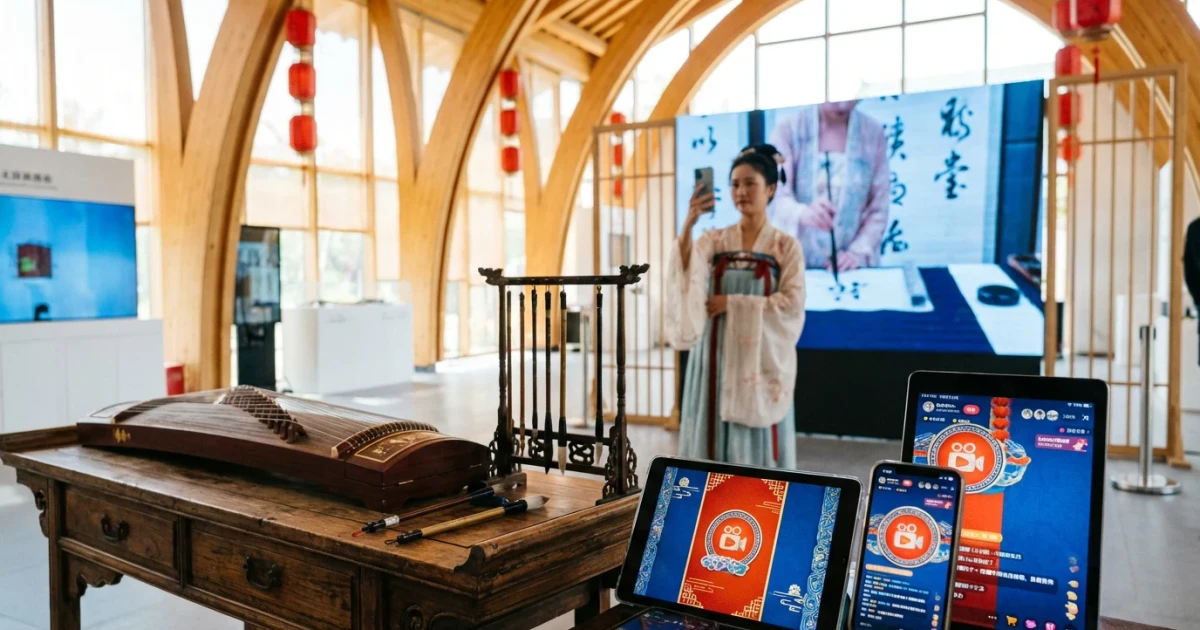
Chinese traditional culture is experiencing a vibrant resurgence online, as social media influencers and digital platforms play a pivotal role in introducing centuries-old customs to a new generation. With the rapid growth of internet access and social media usage in China, this trend is reshaping how millions connect with their heritage.
Digital Platforms Fuel Cultural Revival
According to recent statistics, China boasts the world’s largest internet population, with more than 1 billion users actively engaging with content daily. This immense audience has provided fertile ground for the online dissemination of traditional Chinese culture, from calligraphy and tea ceremonies to folk music and crafts.
Social media platforms, particularly short video apps, have become essential venues for sharing traditional culture. Influencers specializing in Chinese traditions have amassed enormous followings by creating visually engaging content that demystifies practices such as guqin playing, Hanfu clothing, and ink painting. Their videos often feature step-by-step tutorials, historical context, and interactive Q&A sessions, making these customs accessible and relatable to younger viewers.
Influencers Bridge Generational Gaps
The New York Times reports that influencers are not only reviving interest in Chinese traditions but also bridging generational gaps. By blending authentic practices with modern storytelling techniques, they appeal to both older audiences longing for nostalgia and younger people curious about their cultural roots.
- Many influencers collaborate with cultural experts and artisans to ensure accuracy and depth in their content.
- Live streaming sessions often allow real-time audience participation, fostering a sense of community around traditional arts.
- Trendy topics such as traditional festivals, historic recipes, and folk tales see spikes in engagement around national holidays and major events.
This approach has led to a surge in online discussions and the formation of dedicated fan groups eager to learn more about intangible heritage. The rise of hashtags and challenges related to traditional skills further amplifies their reach across platforms.
Government Support and Record Recognition
The Chinese government has recognized the importance of online cultural promotion, supporting initiatives that encourage the preservation and dissemination of heritage. Policies outlined in the country’s intangible cultural heritage protection framework highlight the role of digital media in reaching broad audiences and safeguarding endangered practices.
China’s traditions are also well represented on the UNESCO Intangible Cultural Heritage list, a testament to their global cultural value. Online campaigns frequently spotlight these recognized practices, increasing public awareness and inspiring pride in national identity.
Changing Trends and Audience Engagement
Research from recent studies highlights how short videos have become a primary driver of cultural engagement. Data shows that traditional culture-related content has seen exponential growth in views and shares, with popular creators reaching millions of followers.
- The most successful posts often blend traditional aesthetics with modern production values, such as drone footage of historical sites or cinematic recreations of folk stories.
- User-generated content, including remixes and collaborations, has created new genres that merge old and new influences.
- Audience comments reflect a strong desire to reconnect with heritage, preserve fading skills, and share personal experiences linked to traditional practices.
Looking Ahead
As China’s internet ecosystem continues to evolve, the fusion of digital innovation and traditional culture appears poised for further growth. Influencers and online communities are likely to play an expanding role in keeping heritage alive, ensuring that ancient customs remain relevant and accessible for generations to come.