World
Church of England apologises for historic forced adoptions in mother and baby homes
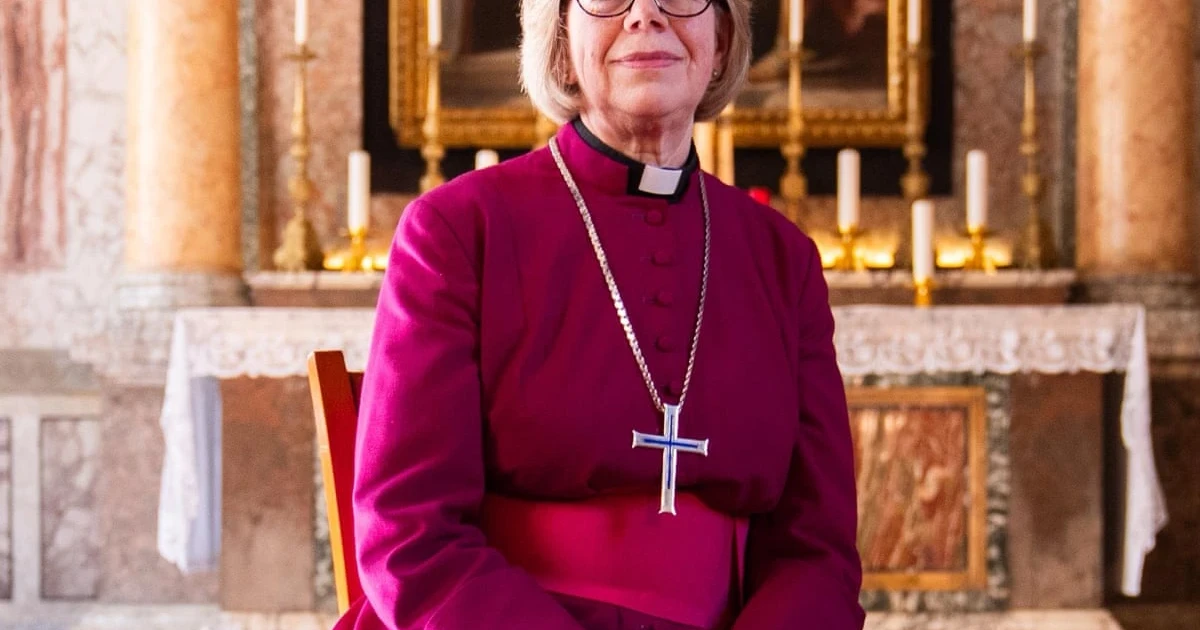
The Church of England has apologised for its role in historical adoption practices that separated tens of thousands of babies from unmarried women and girls in mother and baby homes. Archbishop of Canterbury Sarah Mullally said the Church was “profoundly sorry” and that “the shame is ours,” shifting the focus from contrition to what accountability will now look like for survivors and their families.
The apology followed research the Church commissioned in the first half of 2025 into its past provision for unmarried women. That work covered the years 1949 to 1976 and led the Church to conclude that, while it cannot give a precise number, it is likely that tens of thousands of mothers and babies passed through Church of England-linked homes over that period. The Church is understood to have run around 100 mother and baby homes, where unmarried pregnant women were sent and where the consequences, Mullally said, lasted far beyond the homes themselves.
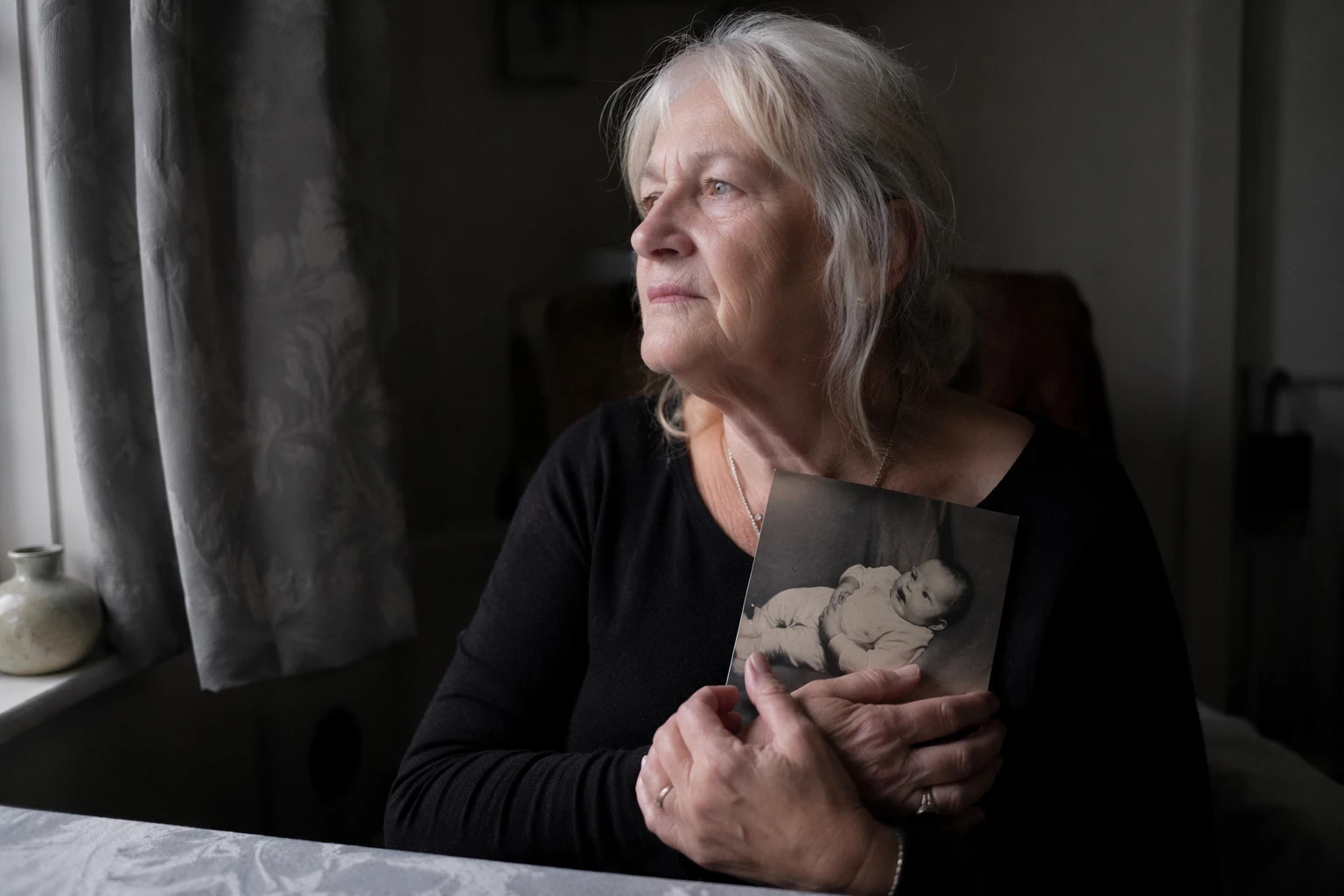
Mullally said women and girls were sometimes made to carry out menial and manual work as a form of “correction,” and that prejudice shaped outcomes, including on grounds of race and disability. The Church said the impact on many families had been lifelong, echoing the accounts survivors have given for years about pain, trauma, stigma and indignity.
The apology landed after mounting political pressure. On February 26, 2026, MPs in the House of Commons pressed the Church for a full and formal apology. Then, on June 17, 2026, the UK Government said it would apologise on behalf of the state for its own role in historical forced adoption. Together, the moves place institutional responsibility under sharper scrutiny, not only for what happened, but for what must now follow.
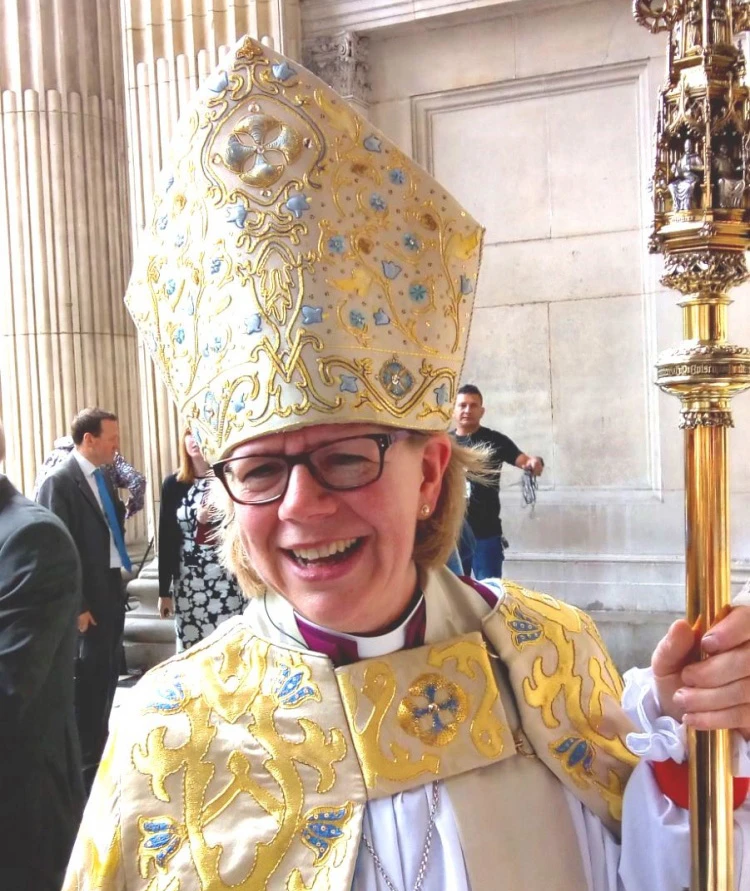
Parliament’s Joint Committee on Human Rights has already built a substantial record on the issue. Its inquiry into adoption practices involving unmarried women heard 142 written submissions, more than 260 survey respondents, three oral evidence sessions and a roundtable with more than 40 participants. It said 185,000 babies of unmarried parents were adopted in England and Wales between 1949 and 1973, and described the mothers involved as often lacking a meaningful choice. For survivors, the measure of accountability will now be whether the Church and the state move beyond apology and into remedies that address the loss, secrecy and coercion at the heart of the system.