US News
CIA Officers Killed in Mexico After Drug Operation
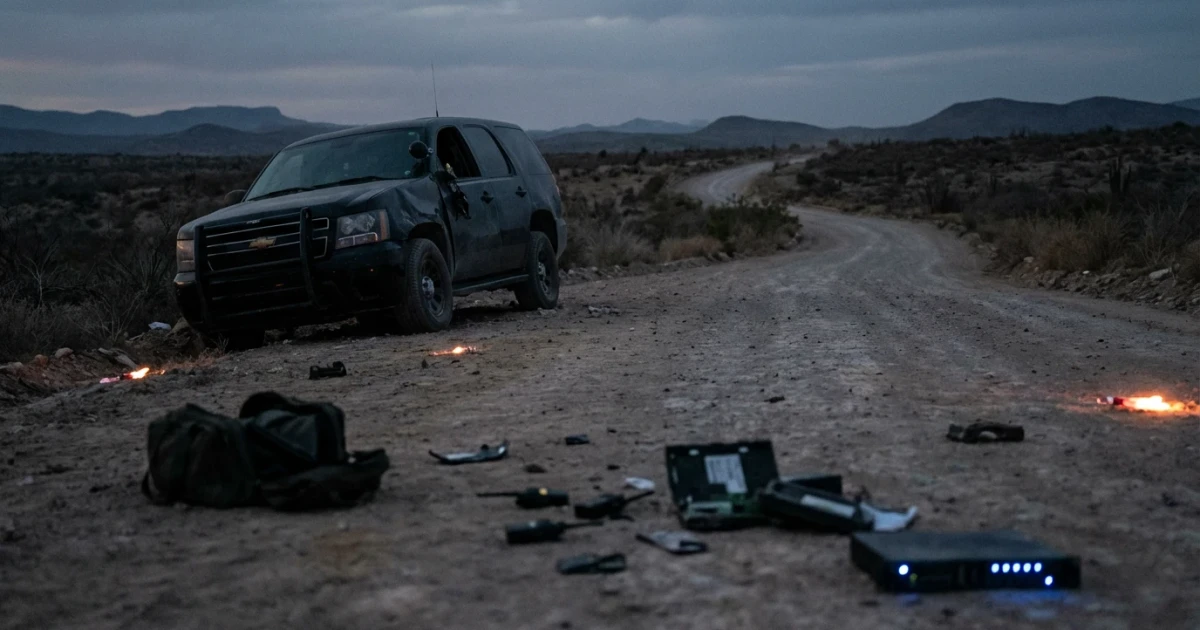
Two Central Intelligence Agency officers have died in Mexico following a fatal vehicle accident that occurred shortly after a counternarcotics operation, according to reports from The Washington Post. The incident highlights the ongoing risks faced by U.S. personnel supporting international drug enforcement efforts and brings renewed attention to the broader scope of American involvement in the region’s fight against organized crime.
Details of the Incident
The Washington Post reported that the two CIA officers were killed after participating in a counternarcotics operation in Mexico. While the identities of the officers have not been publicly confirmed, several media outlets, including The Guardia, indicated both individuals were part of a U.S. team involved in operations targeting drug trafficking organizations in the country.
The fatal accident reportedly occurred as the officers were traveling after the completion of their assignment. Details on the exact cause of the crash, location, and whether any other personnel were injured have not yet been released by U.S. or Mexican authorities.
U.S. Counternarcotics Operations in Mexico
The deaths come amid a heightened focus on U.S. counternarcotics activities in Mexico. The CIA, along with the Drug Enforcement Administration (DEA) and other U.S. agencies, has long supported Mexican authorities through intelligence sharing, training, and operational assistance. According to the CIA’s official mission statement, the agency plays a significant role in international security and counter-narcotics operations, often working in partnership with other organizations.
U.S.-Mexico cooperation on drug enforcement is extensive. The U.S. Government Accountability Office has documented ongoing joint efforts, including intelligence-led raids and surveillance missions targeting major trafficking organizations. These operations are part of a larger effort to combat the flow of narcotics into the United States, with the DEA’s 2023 National Drug Threat Assessment highlighting Mexico as a primary source and transit country for illicit drugs such as fentanyl, methamphetamine, and cocaine.
Risks Faced by U.S. Personnel
Incidents like this underscore the dangers faced by U.S. officials operating abroad, especially in regions where criminal organizations wield significant influence. According to data from the U.S. Department of Justice, counternarcotics operations often involve high-risk environments and complex logistical challenges. The presence of U.S. intelligence personnel in Mexico is typically kept discreet due to the sensitive nature of their missions and concerns about the safety of operatives.
- Mexico remains one of the most dangerous countries for organized crime-related violence, with thousands of homicides annually linked to drug trafficking.
- U.S. law enforcement and intelligence personnel have historically faced threats ranging from targeted attacks to accidents while supporting Mexican counterparts.
Broader Implications for U.S.-Mexico Relations
The deaths of the two CIA officers may prompt renewed scrutiny of U.S. involvement in Mexico’s war against drug cartels. As documented in the Congressional Research Service’s analysis of Mexican organized crime, bilateral security cooperation is essential but fraught with challenges related to sovereignty, trust, and operational security.
While both governments have emphasized the importance of collaboration to curb trafficking and violence, incidents involving foreign operatives risk complicating diplomatic relations and raising public debate about the scope and transparency of foreign intelligence activities on Mexican soil.
Looking Ahead
As investigations into the accident continue, both U.S. and Mexican authorities are likely to review protocols for intelligence and law enforcement cooperation. The incident serves as a sobering reminder of the stakes involved in the international fight against drug trafficking and the ongoing necessity of balancing effective operations with the safety of personnel.