Business
Citadel rescues AI hedge fund Situational Awareness after big losses
Kenneth C. Griffin’s Citadel stepped in to buy a large portion of Situational Awareness LP’s public stock portfolio after the young AI-focused hedge fund suffered losses tied to its artificial-intelligence positions, according to people briefed on the transaction. The rescue lands on Leopold Aschenbrenner, 24, a former member of OpenAI’s Superalignment team whose firm had become one of the most closely watched AI trades in the market.
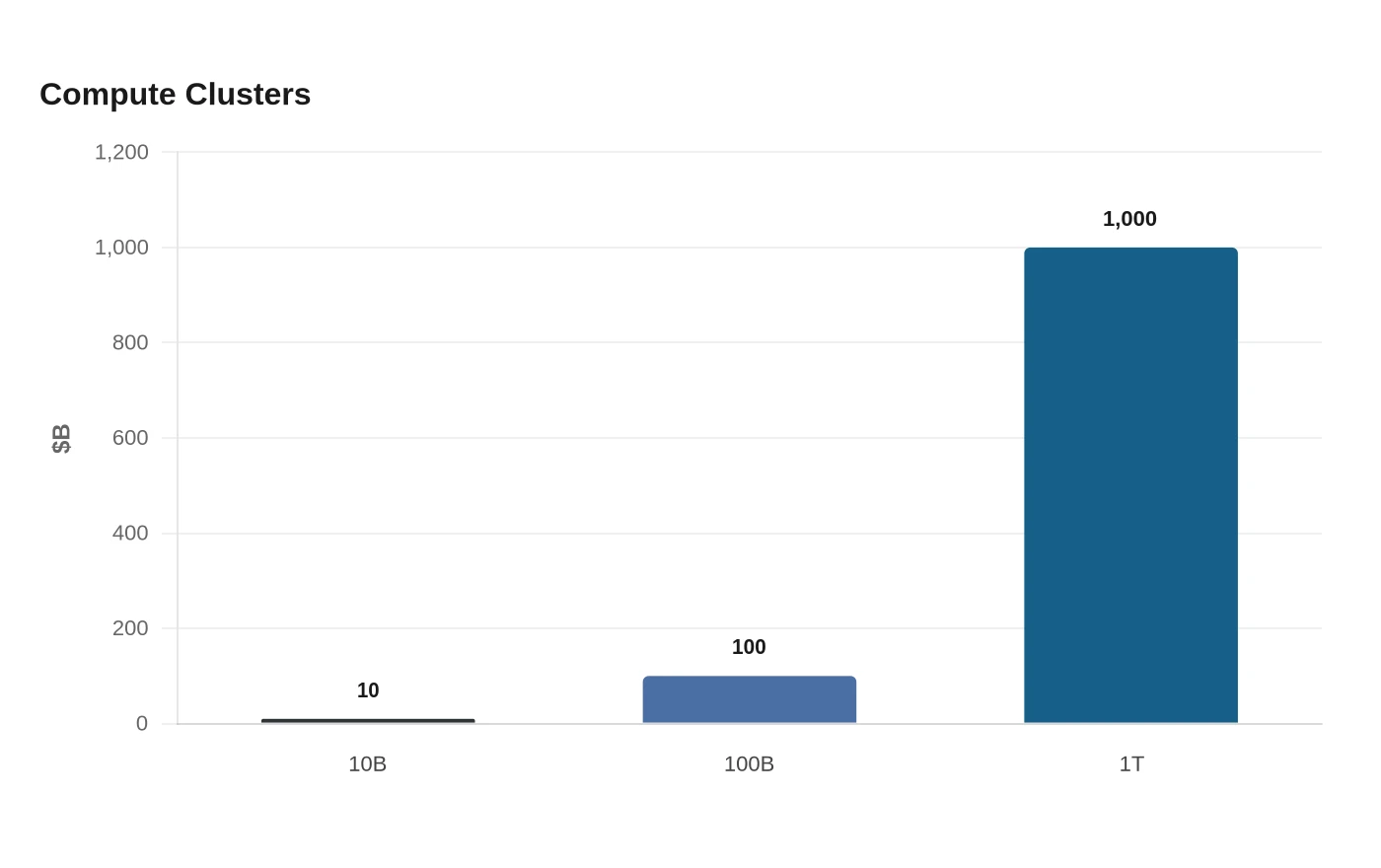
Situational Awareness was built around a sweeping bet on artificial general intelligence and backed by Patrick Collison, John Collison, Nat Friedman and Daniel Gross. In a June 2024 essay titled Situational Awareness: The Decade Ahead, Aschenbrenner argued that the world was moving from $10 billion compute clusters to $100 billion clusters and then to trillion-dollar clusters, a thesis that helped turn the fund into a symbol of the AI boom’s most aggressive capital flows.

That enthusiasm was enormous. By June 8, 2026, multiple reports said Situational Awareness had surpassed $20 billion in assets, while earlier coverage put it at about $10 billion and said the fund had gained 270% in 2026. The same stretch also brought the strain that made Citadel’s intervention necessary: reports said the firm had offloaded a large portion of its public equity holdings after losses, and separate coverage said it had sold off public equity bets to Citadel after big losses tied to AI-related positions.
Citadel’s move fits Griffin’s long-running push to expand the firm’s reach in markets and talent. Griffin is the founder, chief executive and co-chief investment officer of Citadel, and he also founded and serves as non-executive chairman of Citadel Securities. The Miami-based firm has grown into one of the most dominant players in global hedge funds, and Griffin has publicly argued that AI is already reshaping finance in ways that reward productivity and scale.
In 2026, Griffin said agentic AI could eliminate some corporate moats, while productivity gains from AI at Citadel had allowed the firm to pursue new opportunities rather than cut headcount. That stance makes the Situational Awareness deal more than a distressed-asset purchase: it shows how the biggest firms can use balance-sheet strength and sharper risk controls to absorb a young manager whose branding was built on AI conviction, but whose portfolio still had to survive the old test of losses, concentration and liquidity.
Sources
- [1]nytimes.com
- [2]situational-awareness.ai
- [3]citadel.com
- [4]nbcbayarea.com
- [5]som.yale.edu
- [6]stanford.gsb.edu
- [7]yoursearchresult.com
- [8]nypost.com
- [9]quiverquant.com
- [10]wsj.com
- [11]ft.com
- [12]cnbc.com