Health
Cities Grapple With Rising E-Bike Crash Injuries
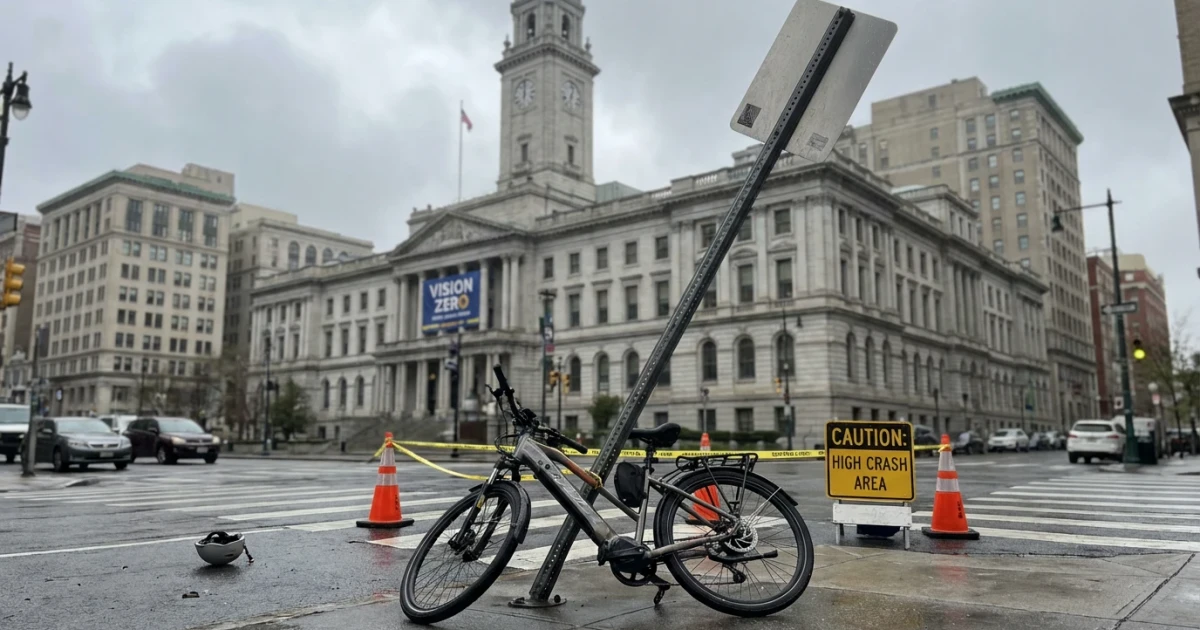
Emergency room visits linked to e-bike crashes are climbing across the United States, prompting cities to consider new safety strategies and policies to address the emerging risks of electric micromobility. The rise in injuries from e-bike and scooter accidents has drawn concern from public health officials, local governments, and urban planners, as communities strive to balance the benefits of greener transportation with the need for improved rider and pedestrian safety.
Sharp Increase in E-Bike Injuries
Data from the National Electronic Injury Surveillance System (NEISS) shows a notable uptick in emergency department visits due to e-bike, bicycle, and scooter incidents. The Guardian reports that e-bike crashes are increasingly resulting in hospitalizations, especially for head and brain injuries. This trend is echoed in research analyzed by New York University’s Langone Health, which found that e-bike and e-scooter accidents are leading to a higher rate of traumatic brain injuries than traditional bicycle crashes.
- Significant year-over-year increases in e-bike related injuries have been documented in major urban centers.
- The Insurance Information Institute notes that, while overall cycling injuries have been stable, electric bike incidents are bucking the trend with rapid growth.
- According to the National Highway Traffic Safety Administration (NHTSA), e-bike riders face unique risks due to higher speeds and increased weight compared to traditional bicycles.
Urban Policy Responses and Infrastructure Challenges
As injuries mount, cities nationwide are exploring a mix of policy solutions and infrastructure upgrades. The Guardian highlights how some municipalities are considering stricter helmet laws, designated e-bike lanes, and speed restrictions to address the spike in hospitalizations. These efforts build on the experiences of cities like New York, which has seen rapid growth in e-bike and scooter use in recent years.
Urban planners face the challenge of integrating e-bikes into road networks designed for slower, muscle-powered bicycles. The NYC DOT E-Micromobility Report illustrates ongoing efforts to separate e-bike and pedestrian traffic, update signage, and educate both riders and drivers about sharing the road safely. Yet, as the Guardian points out, enforcement of existing traffic laws and helmet mandates remains inconsistent, complicating city efforts to reduce injuries.
Medical Community Raises Concerns
Medical experts are particularly worried about the prevalence of head injuries in e-bike crashes. The Guardian references a growing body of research, including findings published in the New England Journal of Medicine, that shows a disproportionate number of e-bike and scooter crash victims are being treated for traumatic brain injuries. Higher speeds and the possibility of collisions with cars or fixed objects increase the risk of severe outcomes compared to traditional cycling accidents.
- Studies have found that helmet use remains relatively low among e-bike riders, especially in urban settings.
- Emergency physicians and trauma centers are urging local governments to prioritize helmet distribution and public education campaigns targeting new e-bike users.
Balancing Sustainability and Safety
E-bikes offer important sustainability benefits, reducing reliance on cars and public transit, and helping cities meet climate goals. But as the Guardian notes, the surge in crash injuries has exposed gaps in urban safety planning. Policymakers must now strike a balance between promoting low-carbon travel and protecting vulnerable road users from avoidable harm.
Public health officials advocate for a coordinated approach, including more granular crash data collection, investments in protected bike infrastructure, and updated traffic laws that reflect the realities of e-micromobility. The Centers for Disease Control and Prevention (CDC) encourages ongoing research to monitor trends and inform best practices as e-bike adoption continues to accelerate.
Looking Ahead
As cities confront the dual imperatives of sustainability and public safety, e-bike policy is poised to remain a hot topic. Stakeholders across government, medicine, and transportation agree: without targeted interventions, the upward trend in e-bike injuries is unlikely to reverse soon. The coming years will test how effectively cities can adapt, innovate, and protect their residents in the face of rapid micromobility transformation.