Business
Citigroup pushes Fed rate cut forecast to late 2026, citing hawkish turn
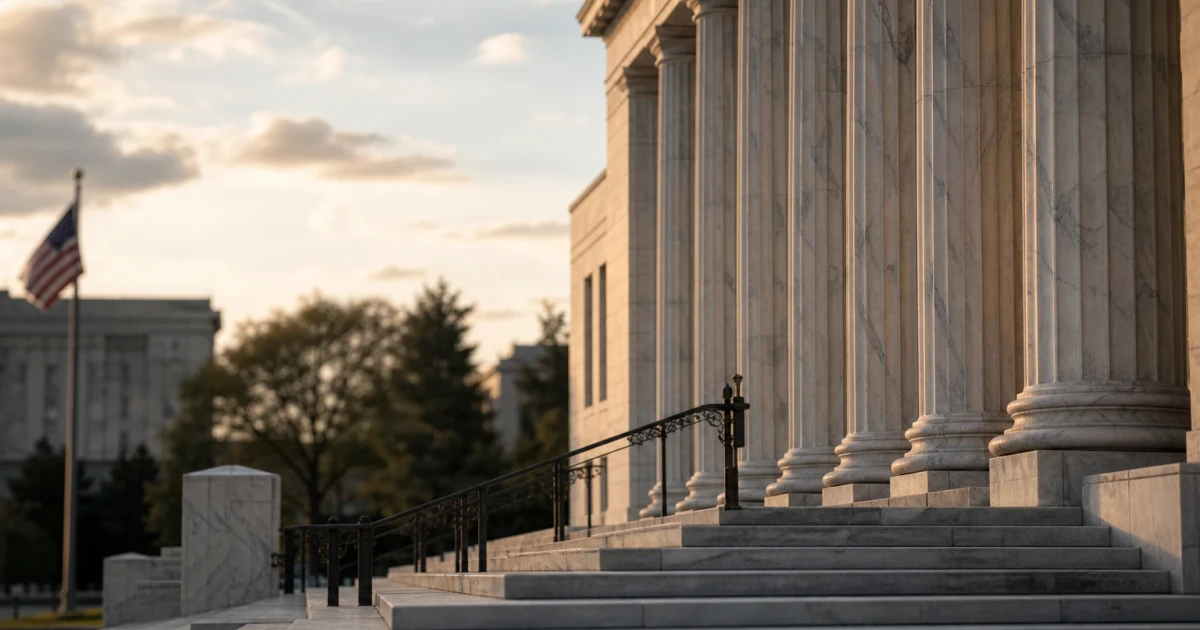
Citigroup has pushed its first expected Federal Reserve rate cut back to October, a sharp reversal that shows how quickly the policy debate has turned from easing to restraint. The bank now sees cuts in October and December 2026, followed by another in January 2027, instead of beginning in September.
The change came after the Federal Reserve left its benchmark rate unchanged on June 17 in Washington, D.C., keeping the target range at 3.5% to 3.75% in a unanimous 12-0 vote. The central bank also removed language from its statement that had signaled a bias toward future cuts, a notable shift that underscored how much more cautious policymakers have become. In the latest projections, nine of the 19 officials expected at least one rate hike in 2026, while only one saw a cut, and nearly half of policymakers now expect rates to rise this year.
Chair Kevin Warsh used his first press conference to announce a broad review of Fed policy, communications and operations, with five task forces examining the central bank’s balance sheet, inflation framework, productivity and jobs, and the use of existing data sources. That reset in tone matters because it suggests the Fed is not leaning toward quick relief for borrowers, even as market participants had hoped the next move would be lower.
Markets reacted immediately. Traders fully priced in a 25-basis-point hike by October, and bond prices sold off as the 2-year Treasury yield climbed to its highest level in more than a year. The repricing reflects a simple message from policymakers: inflation remains enough of a concern that the Fed can keep rates elevated, and growth is still solid enough to allow it.
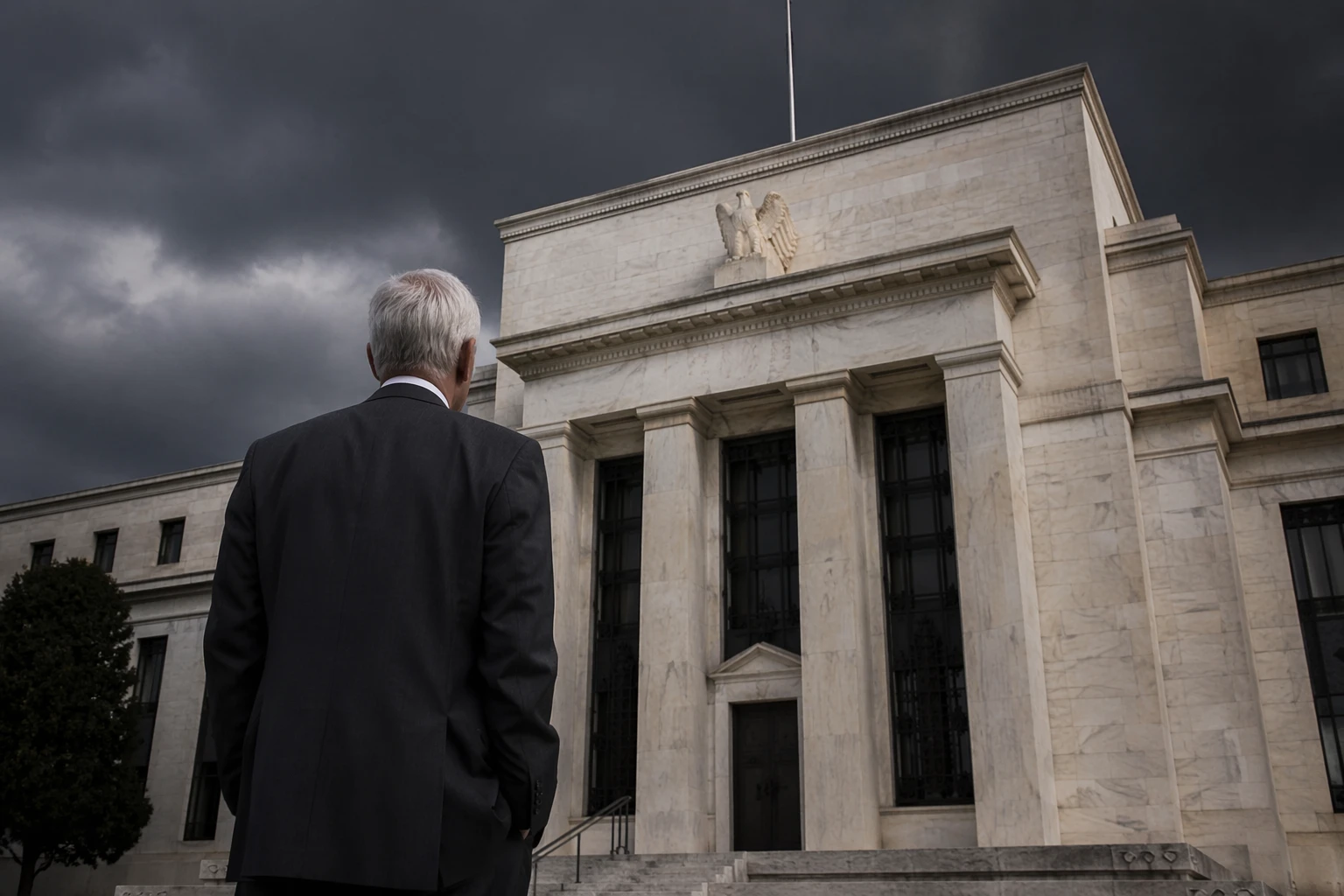
For households and businesses, a longer stretch of higher rates would keep pressure on mortgages, credit cards and corporate borrowing costs. Mortgage rates would stay pinned at levels that make refinancing less attractive and home purchases more expensive. Credit card balances would continue to carry costly variable-rate interest. Companies funding inventories, payrolls or expansion plans would face a more expensive capital market, while equity valuations would lose some of the support that lower discount rates usually provide.
Citigroup’s delay also fits with a broader market reset. A June 9 economist poll found a strong majority expecting the Fed to hold rates for the rest of 2026. For now, the message from the central bank and the market is the same: the path back to cuts looks much longer than it did only weeks ago.
Sources
- [1]money.usnews.com
- [2]cnbc.com
- [3]msn.com
- [4]reuters.com