US News
Civil rights groups sue Westchester County over warrantless plate surveillance
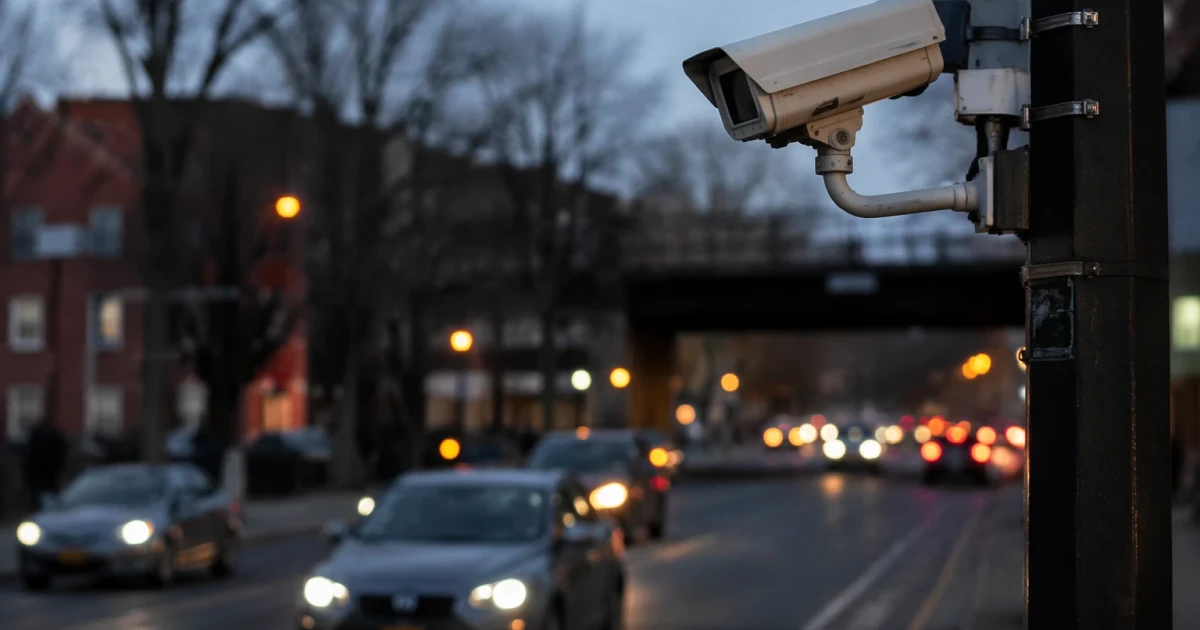
A coalition of civil rights groups is asking a state judge to shut down Westchester County’s license-plate surveillance network, saying nearly 600 readers have produced a trove of 1.6 billion scans that can reconstruct where ordinary drivers have been. The lawsuit, filed on behalf of four motorists, says the county built a warrantless system that tracks long-term travel patterns, daily routines and other intimate details of people who were never suspected of wrongdoing.
The complaint puts a sharp constitutional question before the court: how much mass surveillance can local government run before it crosses the line from policing into pervasive monitoring. The plaintiffs are represented by the Policing Project at New York University School of Law, the Knight First Amendment Institute at Columbia University, the New York Civil Liberties Union and the law firm Freshfields. One plaintiff, Lora Nelson, was allegedly captured by Westchester cameras more than 2,400 times.
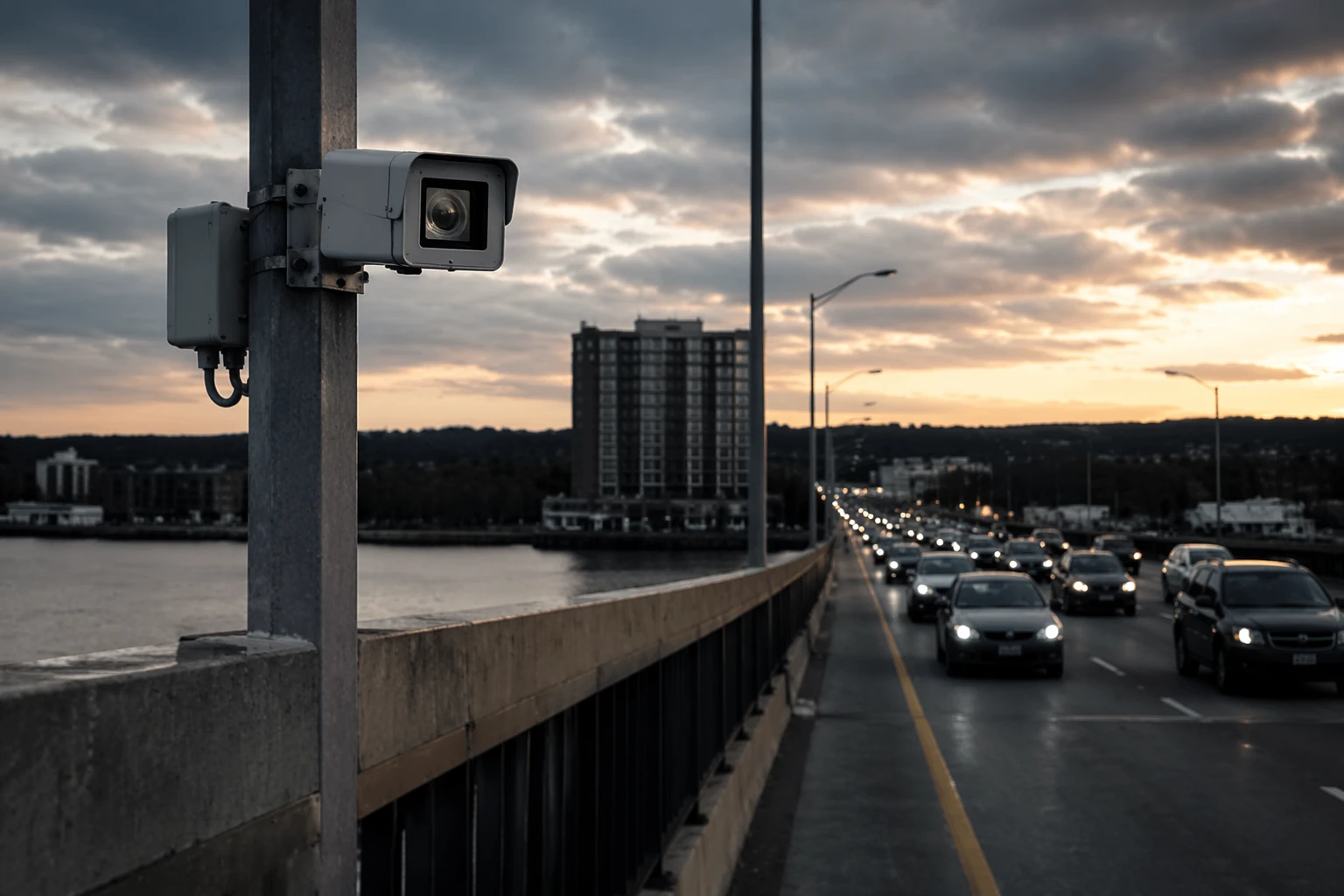
The lawsuit says Westchester shared the database with more than 50 outside law-enforcement agencies, including U.S. Immigration and Customs Enforcement. Barry Friedman of the Policing Project said police departments cannot unilaterally decide to surveil the movements of citizens without legislative authorization, accountability, transparency or oversight. Westchester County said it had not yet received or reviewed the lawsuit.
Westchester’s own public-safety materials describe the Real Time Crime Center as a centralized technology hub for county and regional law enforcement, and say every police agency in Westchester County is represented there. A MOBOTIX case study says the real-time crime effort began in 2017 to unify collaboration across the county’s 40-plus police departments, and describes the system as one of the largest license-plate-reader networks in the country, scanning and archiving about 40 million plates a month across 220 cameras aimed at highways.
The case arrives as courts and legislatures across the country wrestle with how far automatic license-plate readers can reach, especially when data is shared beyond local policing. The American Civil Liberties Union says such scans typically capture a plate number, date, time and location, and warns that agencies often stockpile records on innocent drivers. That concern sharpened after reporting showed U.S. Border Patrol had access to at least 1,600 license-plate readers across 22 states through Flock, extending a system built from local and private networks.
For Westchester County, the lawsuit could become a test case for whether local governments may assemble and trade away vast location histories with little public oversight. For other jurisdictions that rely on similar systems, the outcome may define the legal limits of mass vehicle surveillance for years to come.
Sources
- [1]usnews.com
- [2]apnews.com
- [3]knightcolumbia.org
- [4]nyclu.org
- [5]policingproject.org
- [6]publicsafety.westchestercountyny.gov
- [7]mobotix.com
- [8]ap.org
- [9]aclu.org