Politics
Clacton voters weigh deprivation, housing and health ahead of election
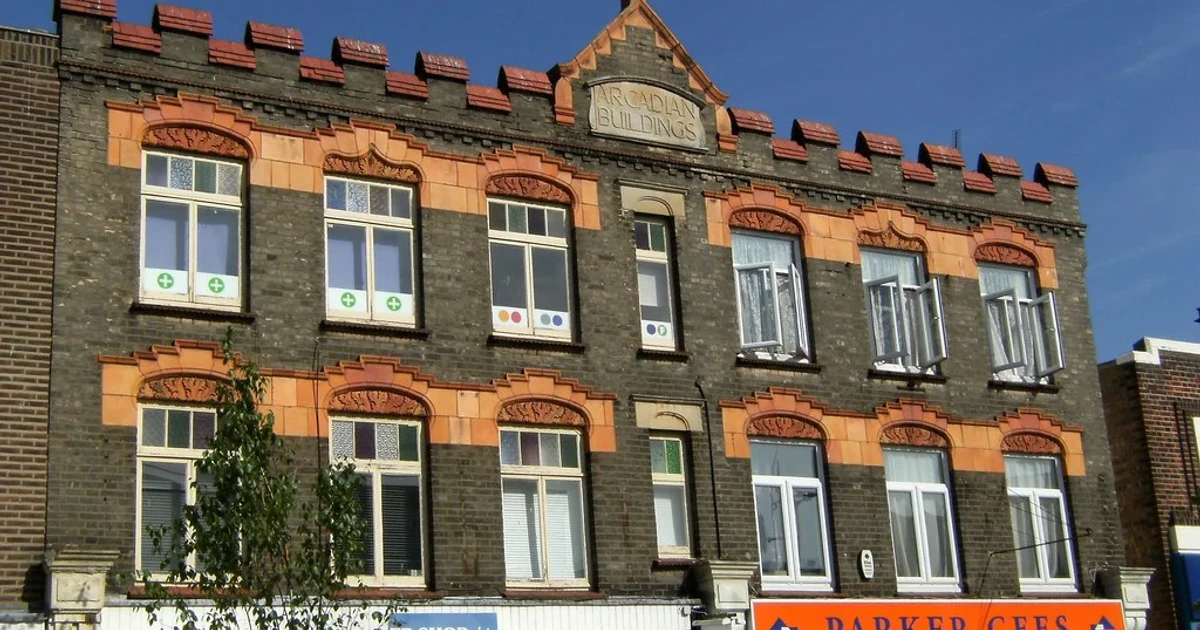
Clacton voters are talking less about Westminster slogans than about getting a GP appointment, finding housing they can afford and making wages stretch. The redrawn east Essex seat has become a test of whether residents want an ideological champion or a constituency MP who can handle the day-to-day grind of a place marked by deprivation, unemployment and pressure on local services.
What voters say matters first
The issues surfacing most often in Clacton are practical ones: the cost of living, access to the NHS, migration and housing. Background reporting from June 2024 described Clacton-on-Sea as a town where unemployment is high and immigration is low, a combination that helped turn the seat into a focal point for arguments about change, decline and identity.
That local conversation matters because the constituency is not a blank slate. It sits on the Tendring Peninsula in Essex, with Clacton-on-Sea as its best-known town, and local data profiles identify deprivation, unemployment, housing and health as core challenges. Those are not abstract policy categories in a seaside constituency where day-to-day experience often shapes how people judge politics more than party labels do.
A seat redrawn, then seized by Reform UK
Clacton changed boundaries in 2024, replacing the previous Clacton constituency and entering a fresh electoral map just as national politics was fragmenting. In the general election on 4 July 2024, Parliament records that nine candidates stood in the seat, and Nigel Farage won it for Reform UK from the Conservatives with a majority of 8,405, an 18.3% margin and a turnout of 58.7%.
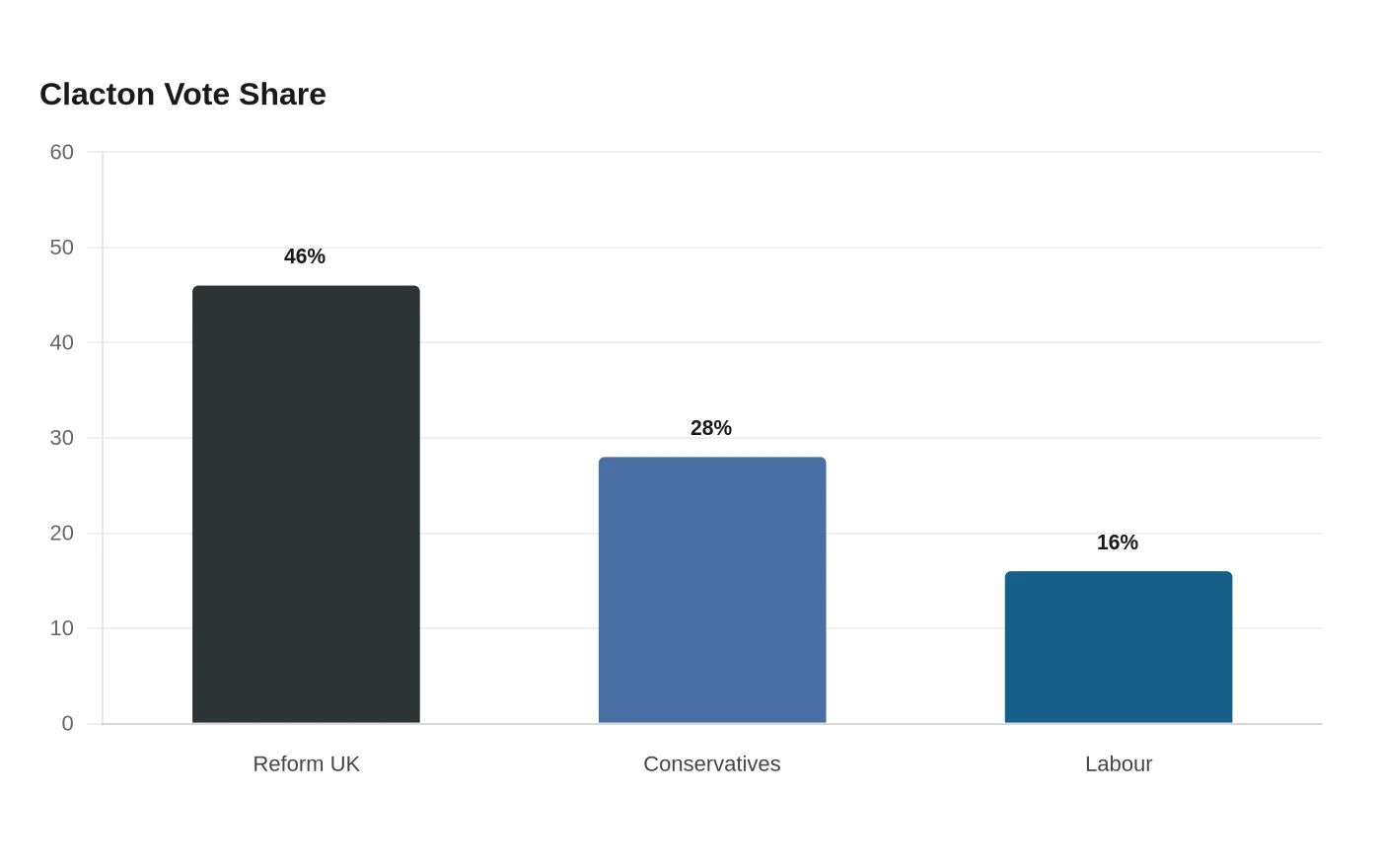
Parliament’s results show Farage won 46% of the vote, with the Conservatives on about 28% and Labour on about 16%. For Farage, it was his first Commons victory after seven unsuccessful attempts to win a seat, a personal milestone that turned Clacton into a national symbol as much as a local contest.
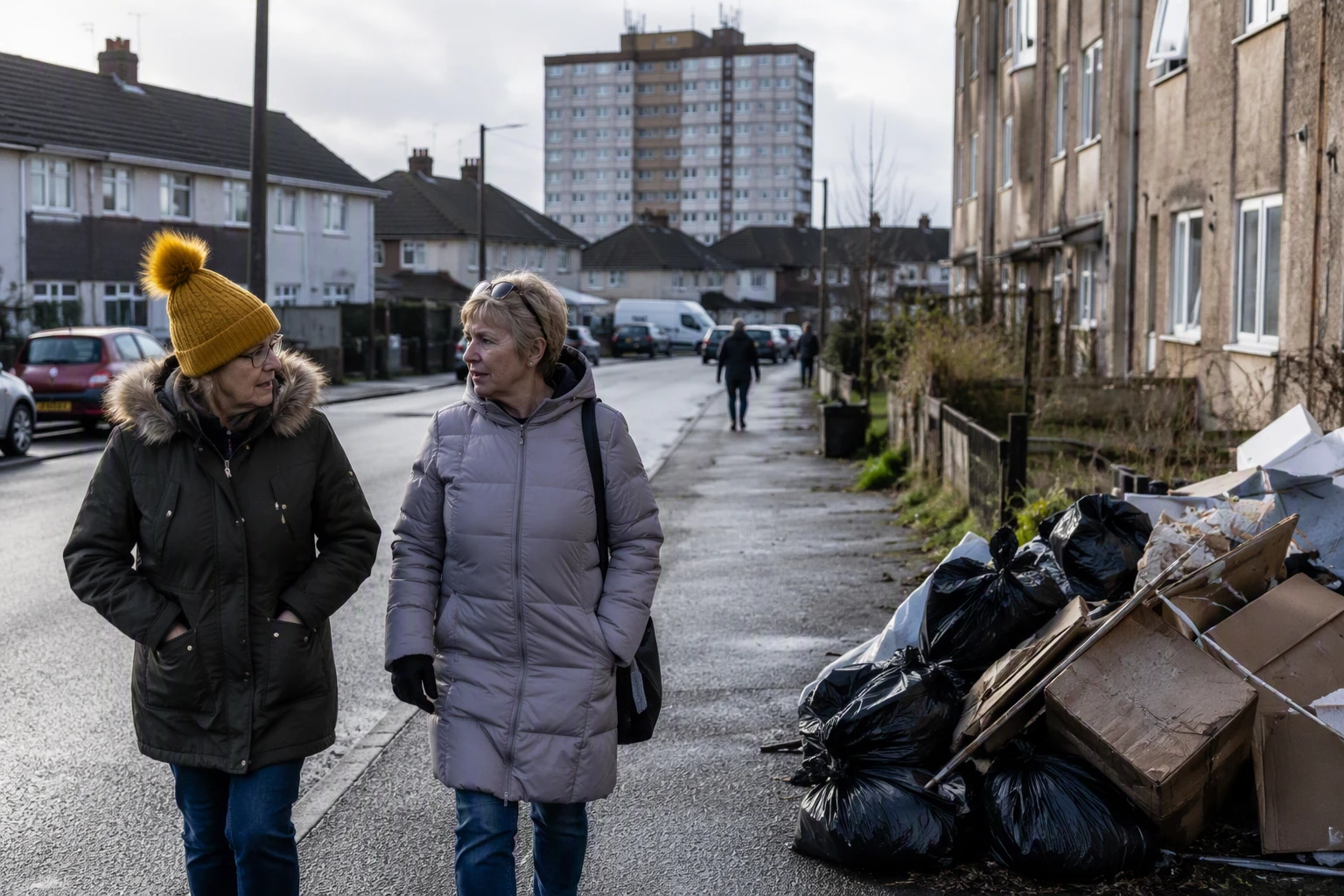
That symbolism has always sat uneasily beside the town’s own priorities. The election result told one story about protest politics and the appeal of a high-profile candidate; the conversations on the ground told another, rooted in whether people believed a new MP would make life better in clinics, on high streets and in housing queues.
Deprivation, housing and health shape the agenda
A July 2025 government local data profile for Clacton-on-Sea underlines why the constituency keeps returning to the same themes. The profile says the government launched the Plan for Neighbourhoods on 4 March 2025, promising up to £20 million in support across 75 places in the UK over the next decade, and it was designed to help neighbourhood boards set priorities around deprivation and demographics.
That matters in a place where public policy is not just about funding, but about how resources are targeted. Clacton’s local profile does not treat housing and health as side issues; it places them alongside unemployment and deprivation, which is exactly how many residents experience the area. The result is a political conversation that rewards visible constituency work as much as it does ideological clarity.
The health question is especially important because access to care is one of the most immediate ways voters judge whether government is working for them. In communities with lower incomes and more insecure housing, delays in NHS access can become part of the wider story of decline, reinforcing the sense that national promises rarely reach the street level where problems are felt most sharply.
Farage’s national profile versus local expectations
Since Farage won the seat, the tension between his national brand and Clacton’s local expectations has remained part of the story. Residents have questioned how often they see him and how much difference he has made as their MP, a sign that notoriety alone does not settle the question of representation.
That gap matters in a constituency where voters have repeatedly raised the same practical concerns. Immigration may dominate national arguments, but in Clacton it sits alongside more immediate pressures: whether there are jobs that pay enough, whether housing is available, and whether the NHS is accessible when people need it. In that sense, the seat has become a referendum on what an MP is supposed to do when the cameras move on.
The by-election reopens the same local test
Farage’s resignation as MP in July 2026 triggered a by-election, and Parliament now lists the seat as vacant. Coverage around the contest noted a record number of candidates and said some mainstream parties were not contesting the seat, sharpening the sense that Clacton is once again being used to measure national political moods.
But the constituency’s own priorities have not changed with the headlines. Clacton remains a place where deprivation, housing and health are tied together, where a government neighbourhood fund has been pitched at long-term renewal, and where voters have already signalled that they want more than rhetoric. The next MP will be judged less by the force of a national brand than by whether everyday life in Clacton-on-Sea feels any easier to live.