Politics
Clayton dodges direct answer on 2020 election in Senate hearing
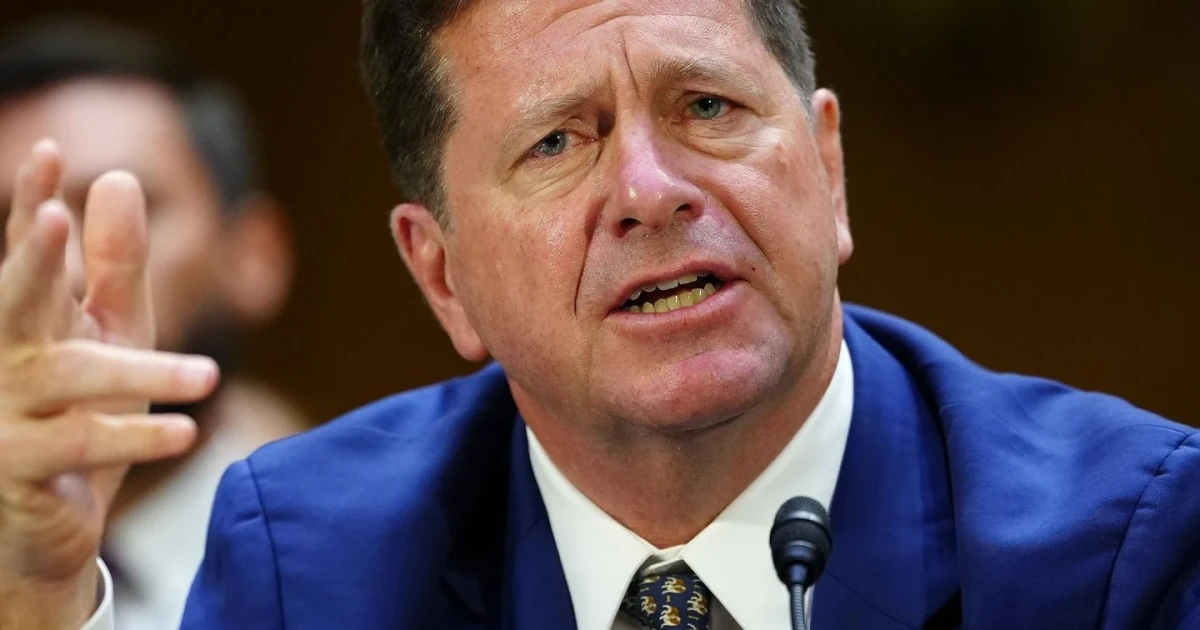
Jay Clayton faced sharp questioning at the Senate Intelligence Committee on Wednesday, July 15, 2026, after refusing to say plainly that Joe Biden won the 2020 election. Democrats treated the exchange as more than a partisan trap, casting it as a test of whether a nominee for one of the government’s top intelligence jobs would defend basic electoral facts while overseeing agencies that assess foreign interference and election security.
Clayton told senators that Biden had been certified as president, but would not directly answer whether Biden won. He also said, "I’m not an election denier." The response did not satisfy Sen. Mark Warner, the panel’s top Democrat, or Sen. Jon Ossoff, who pressed Clayton on whether he could give a direct answer about the election rather than rely on language about certification.

The line of questioning went to the center of the job Clayton is seeking. The White House has spent 2025 and 2026 using public messaging to argue that intelligence officials politicized issues tied to elections and government censorship, while also reopening arguments about election integrity. That backdrop has turned Clayton’s nomination into a broader dispute over whether the intelligence community will be asked to serve as a neutral source of threat analysis or as a tool in political messaging.
A declassified intelligence community report dated January 7, 2021, adds to that tension. The report described internal clashes among political appointees and career analysts over the extent of Russian and Chinese interference in the 2020 election, a reminder that election-security assessments can become deeply politicized when senior officials refuse to draw clear lines around the facts.
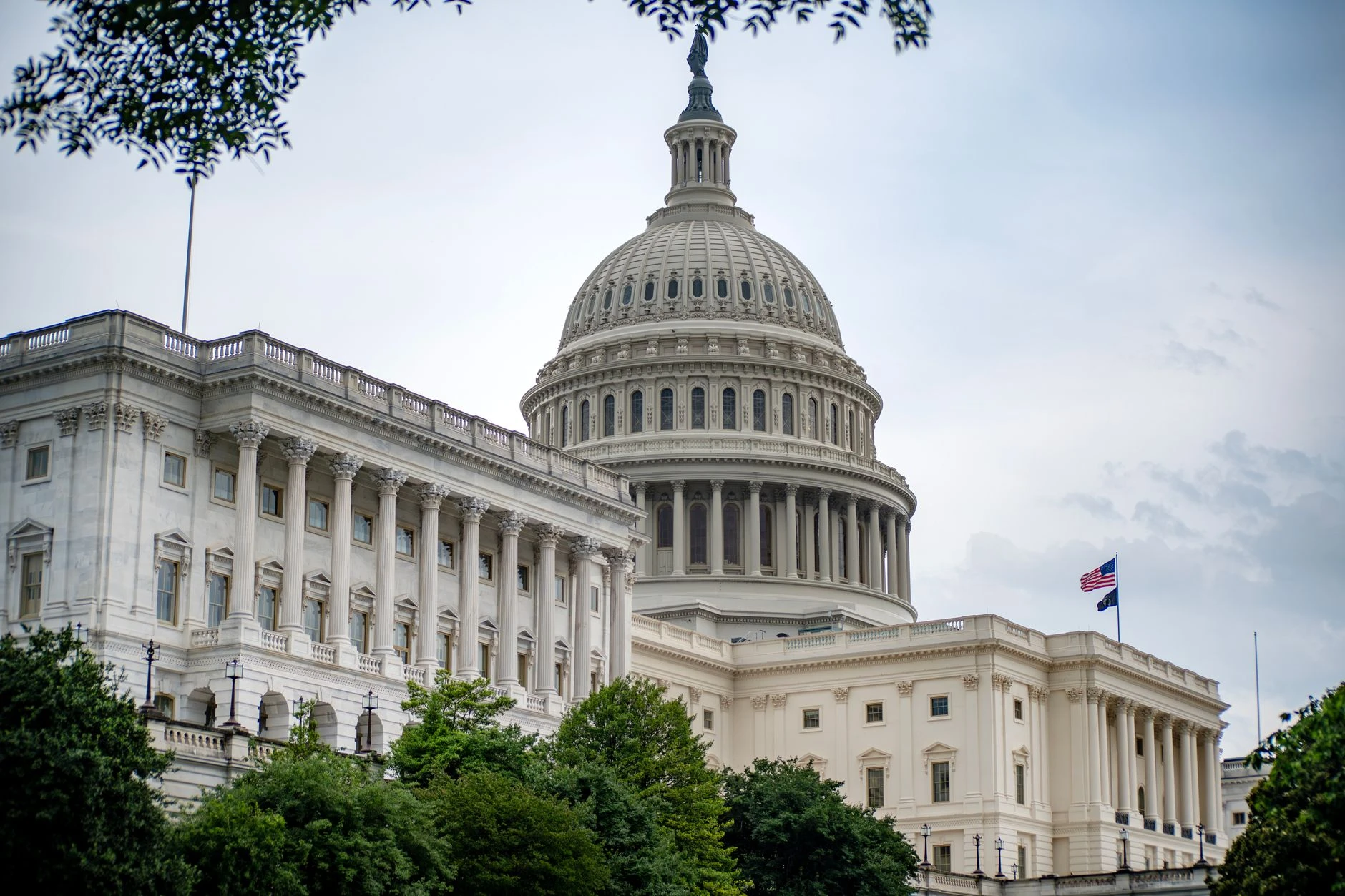
Clayton’s hearing also revived another flashpoint from his career. He defended subpoenas issued to four New York Times journalists during his tenure as U.S. attorney for the Southern District of New York, an answer that sharpened Democratic concerns about how aggressively he would use intelligence or law-enforcement powers if confirmed.

The timing of the hearing mattered as well. Donald Trump had abruptly derailed the earlier effort to move Clayton’s nomination forward in June 2026, leaving the White House to restart the confirmation push under far more scrutiny. With senators now focused on both Clayton’s answer on 2020 and his record in the Southern District of New York, the hearing became a measure of how much room remains for nonpartisan intelligence oversight in a political environment built to contest it.
Sources
- [1]nytimes.com
- [2]politico.com
- [3]thehill.com
- [4]cnbc.com
- [5]whitehouse.gov
- [6]context-cdn.washingtonpost.com