US News
Clean Energy Advocates Gain Ground in SRP Election
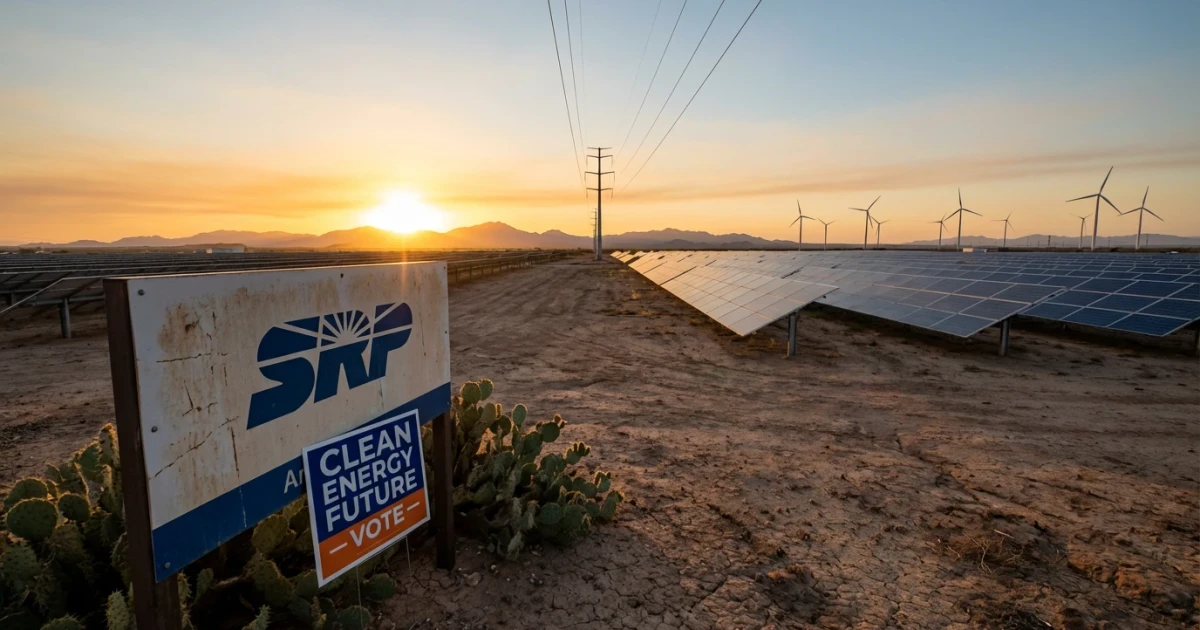
Clean energy advocates secured significant victories in the recent Salt River Project (SRP) election, marking a potential turning point for energy policy in one of Arizona’s largest utilities. While the results highlighted a divided electorate, the success of several candidates supporting renewable energy initiatives could influence future decisions about the region’s power generation and sustainability goals.
Clean Energy Team Makes Gains
The SRP election saw a coordinated group of clean energy supporters, often referred to as the "Clean Energy Team," win multiple seats on the utility’s board and council. The New York Times reported that these candidates campaigned on platforms emphasizing increased investment in solar, wind, and battery storage, as well as a faster transition away from coal and natural gas.
According to official SRP election results, several districts saw clean energy candidates prevail, though the overall board remains ideologically mixed. The divided outcome means that while clean energy priorities have gained traction, they will still need to find consensus with more traditional utility interests.
Implications for Arizona’s Energy Policy
SRP is one of the largest public power utilities in the United States, serving over one million customers in central Arizona. The makeup of its elected board and council can have a direct impact on the region’s energy mix, rates, and long-term sustainability plans.
- SRP’s sustainability initiatives include goals to reduce carbon emissions and increase renewable energy generation over the next decade.
- Data from the U.S. Energy Information Administration shows that Arizona currently generates about 13% of its electricity from renewable sources, with SRP playing a key role in future growth.
- Annual reports detail SRP’s financial position and investments in clean technology, which are now likely to face increased scrutiny and debate.
Divided Results and Competing Narratives
The election outcome was not a clean sweep for either side. While clean energy candidates celebrated their gains, several incumbent and traditionalist candidates also retained their seats, resulting in a split board. This dynamic has led to dueling claims of victory and reflects the broader debate in Arizona over how quickly and aggressively to pursue renewable energy transitions.
Some analysts suggest that the election’s divided results may require greater compromise and coalition-building within SRP’s leadership moving forward. The outcome signals both broad public interest in clean energy and ongoing concerns about cost, reliability, and the pace of change.
What’s Next for SRP and Arizona’s Grid?
With new clean energy voices joining the SRP board, observers expect increased attention to policies such as community solar, expanded energy efficiency programs, and potential revisions to the utility’s long-term integrated resource plan. The balance of power will determine how quickly these proposals are implemented, and whether SRP will accelerate its transition away from fossil fuels.
For Arizona residents and businesses, the election’s results could impact future electricity rates, grid reliability, and the state’s overall climate targets. As SRP’s board meets in the coming months, the ability of its newly elected members to forge consensus will be critical in shaping the future of central Arizona’s energy system.