Health
Climate change expands mosquito ranges, making disease monitoring harder
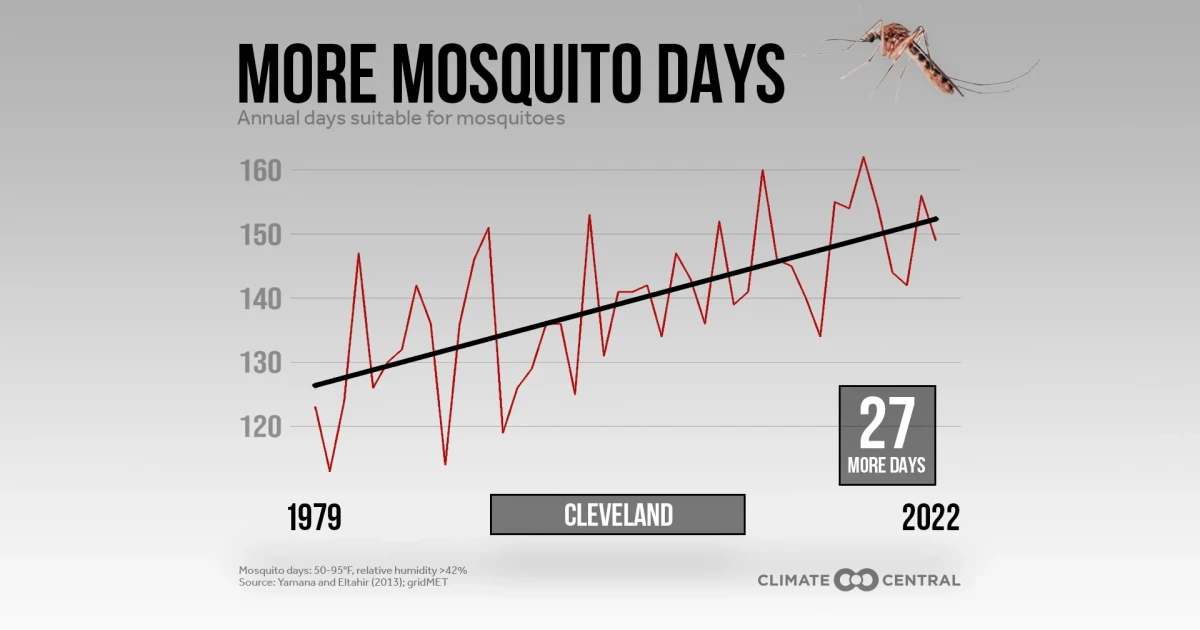
Climate Central found mosquito days increased in 173 of 242 locations in the contiguous United States, with an average increase of 16 days. As climate change pushes mosquitoes into new areas, public health agencies are being forced to choose whether to fund monitoring, staffing and data systems now or face higher costs later.
Why monitoring comes before control
Mosquito surveillance is the front end of outbreak prevention. Public-health agencies and vector-control programs use trapping, species identification and data review to decide where to place abatement efforts and how to run integrated mosquito management programs, which can include targeted spraying, habitat reduction and other controls. The CDC also treats surveillance software as part of the toolkit, a sign that the work now depends on collecting and organizing data quickly enough to act on it.
Vector-borne diseases account for more than 17% of all infectious diseases and cause an estimated 700,000 deaths each year worldwide, according to the World Health Organization. Mosquitoes, ticks and fleas are vectors that can spread germs through bites, which puts mosquito monitoring in the same broader public-health category as other insect-borne threats.
Climate change is widening the map
Higher temperatures are altering where mosquitoes can survive and how long they stay active. Climate change affects vector-borne diseases and mosquito-borne disease risk, and warmer conditions can extend mosquito geographic ranges and increase transmission rates.
More mosquito days mean a longer season for local health departments to track, and more communities have to decide whether they need permanent surveillance capacity or only seasonal response. In practical terms, a county that once treated mosquito monitoring as a summer nuisance may now need trained staff, regular data feeds and a clearer plan for acting on the findings.
The diseases now being watched together
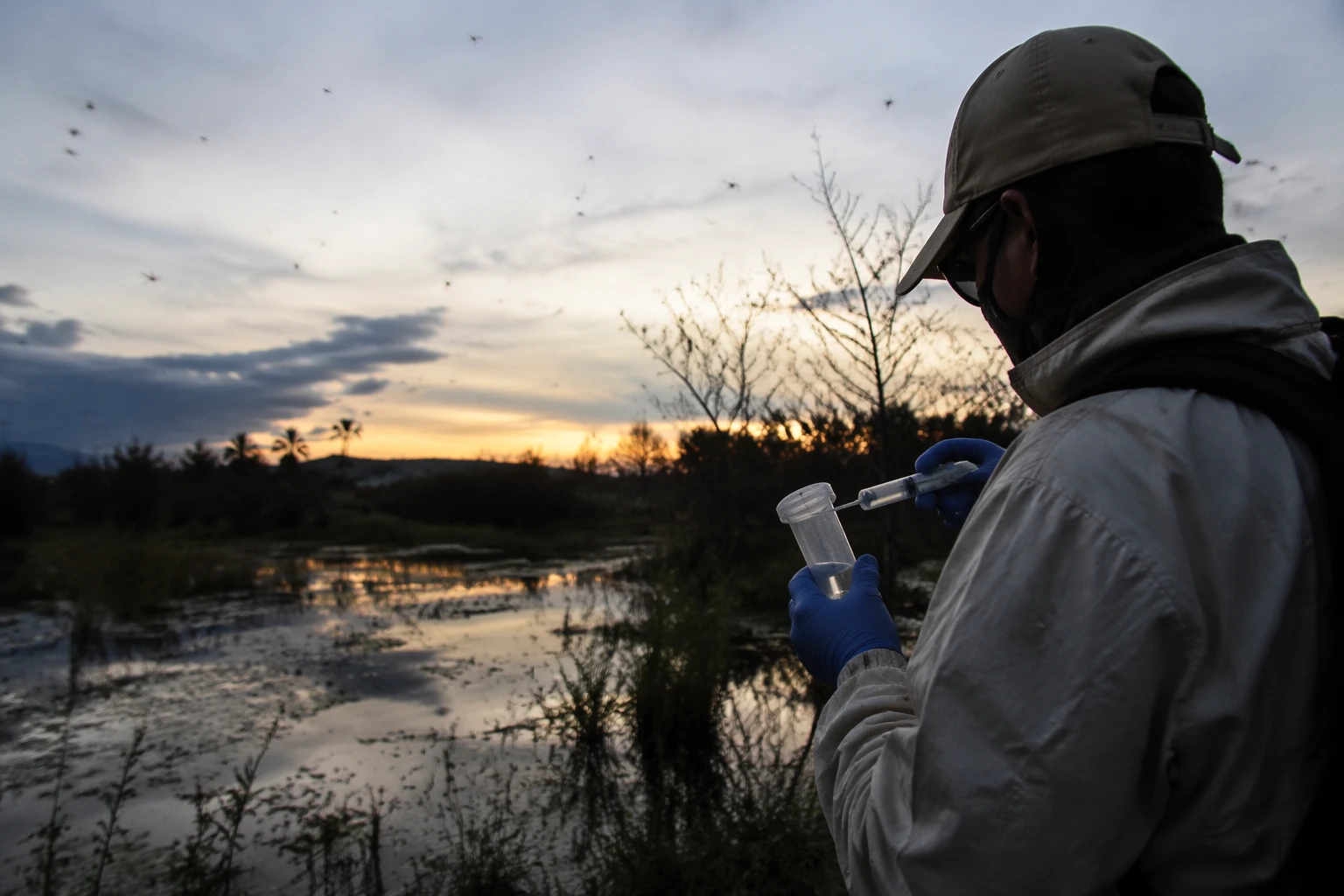
The CDC has tracked West Nile virus since it spread across North America in 1999, and its historical West Nile data run from 1999 to 2025. That data give officials a baseline for spotting changes in season length, geographic spread and local intensity over time. West Nile is only part of the picture: CDC surveillance guidance covers both endemic mosquito-borne diseases such as West Nile and St. Louis encephalitis, and travel-associated diseases such as dengue, chikungunya and Zika.
Local programs are not just looking for one virus in one place anymore. They are tracking multiple threats at once, and dengue risk is rising in the United States and globally. Changing climate conditions can alter both mosquito habitat and the diseases those mosquitoes can carry.
Why data systems matter as much as traps
Surveillance is not only about catching mosquitoes. It is also about turning field observations into decisions that can stop transmission before cases pile up. That is why programs rely on software, standardized records and clear thresholds for action. Without those systems, it becomes harder to compare one neighborhood with another, spot unusual counts early or decide when a spike is serious enough to trigger control measures.
Mosquito population dynamics are still not fully understood, and surveillance is costly and labor intensive. That makes the technology and staffing question especially important: if a district lacks enough personnel to process samples or enough data infrastructure to spot trends, it risks finding out too late that a mosquito population has shifted into a new area or a virus has begun circulating locally.
Europe’s model shows how invasive species change the job
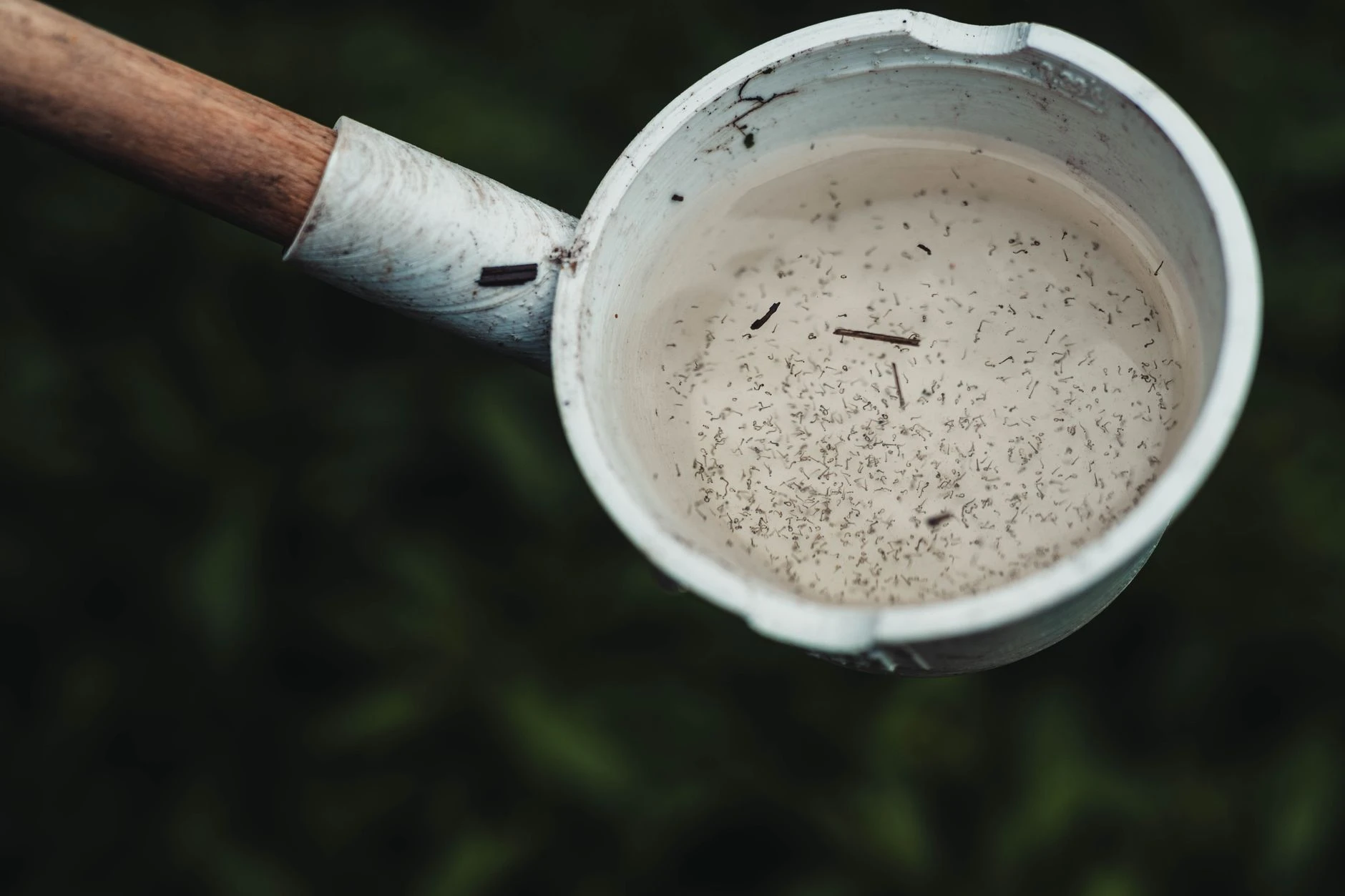
The European Centre for Disease Prevention and Control has published guidelines for surveillance of invasive mosquitoes, a response to the growing need to track species that are moving into new environments.
Climate-sensitive mosquito control depends on coordination across borders and jurisdictions. Mosquitoes do not respect county or national lines, and invasive species can spread quickly once conditions are favorable. Local monitoring now has to connect to wider data networks, especially when public-health officials are watching for dengue, West Nile and eastern equine encephalitis at the same time.
What communities are being asked to fund now
The core policy choice is straightforward even if the logistics are not. Spend on surveillance before transmission climbs, or spend much more later responding to cases, hospitalizations and emergency control measures. That means funding for traps, lab work, software, trained staff and the ability to translate counts into action. It also means making climate and disease monitoring part of routine public-health planning rather than treating it as an emergency add-on.
Sources
- [1]arstechnica.com
- [2]cdc.gov
- [3]who.int
- [4]ecdc.europa.eu
- [5]climatecentral.org
- [6]stacks.cdc.gov
- [7]noaa.gov