World
Climate change made Western Europe’s record June heat wave possible
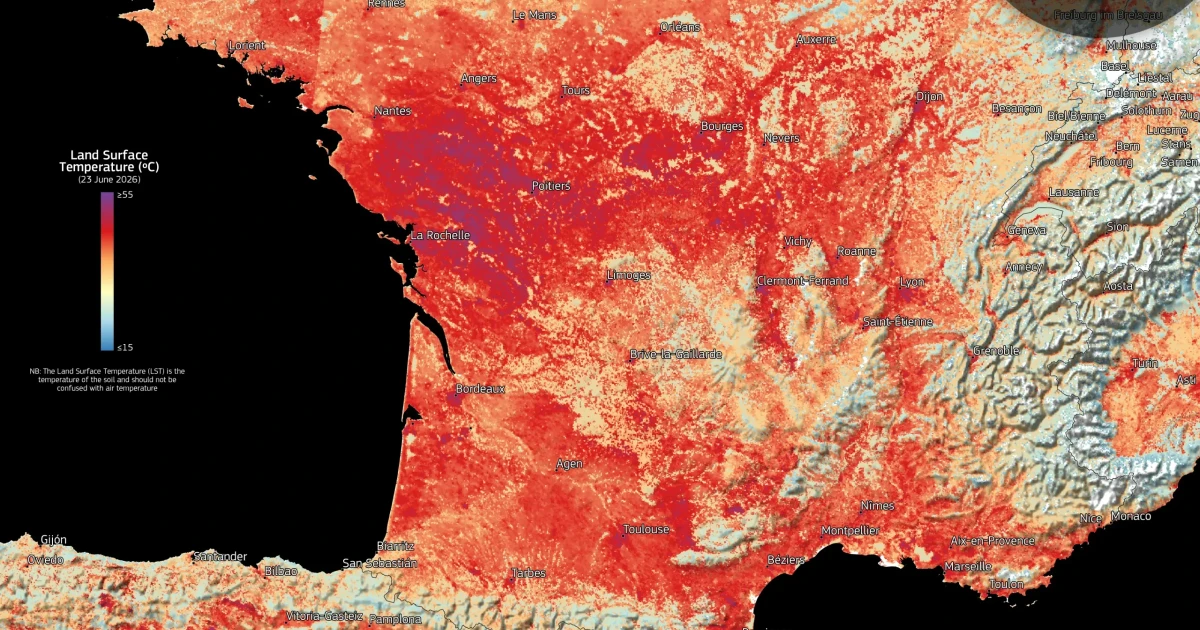
The record June heat wave that drove temperatures near or above 40C across Western Europe would have been “virtually impossible” without human-caused climate change, scientists said in a rapid attribution analysis. The study found the warming atmosphere made the event about 100 times more likely than it would have been two decades ago, turning a continental heat spell into a crisis for hospitals, power systems and outdoor workers.
The heat reached from Spain to the United Kingdom and pushed Western Europe into what scientists described as the worst heat wave to hit the region. In London, temperatures climbed to 34.7C, while Lisbon set a new high of 46.6C. The night-time heat was especially dangerous because temperatures stayed elevated when bodies normally recover, and the scientists said the hotter nights were the clearest sign of a climate system already altered by decades of fossil-fuel pollution.
The findings fit a pattern that has sharpened over the past year. Copernicus Climate Change Service said Europe endured two major heat waves in June 2025 and that western Europe had its warmest June on record. In a closely related 2025 analysis, researchers from the World Weather Attribution network and Imperial College London estimated that human-caused warming made that earlier heat wave up to 4C hotter across 12 European cities and tripled heat-related deaths. They put the excess death toll at roughly 2,300, with about 1,500 directly linked to climate change.

Imperial later estimated that London alone suffered about 260 excess heat-related deaths during the ten-day stretch from June 23 to July 2, 2025, with around 170 attributed to climate change. The health toll was matched by disruption on the ground. Wildfires burned across the Mediterranean, nuclear reactors were shut down in Switzerland and France, and Italy imposed bans on outdoor labor during the hottest hours after a construction worker died.
Scientists said the trajectory is still worsening. Unless governments sharply reduce burning oil, gas and coal and reach net-zero emissions, they warned, heat-wave temperatures and death tolls are likely to rise further across Europe, forcing faster adaptation from public health systems, power grids and labor regulators.
Sources
- [1]nytimes.com
- [2]reuters.com
- [3]imperial.ac.uk
- [4]climate.copernicus.eu
- [5]newscientist.com