World
Climate-fueled storm kills 7% of rare Tapanuli orangutans in Sumatra
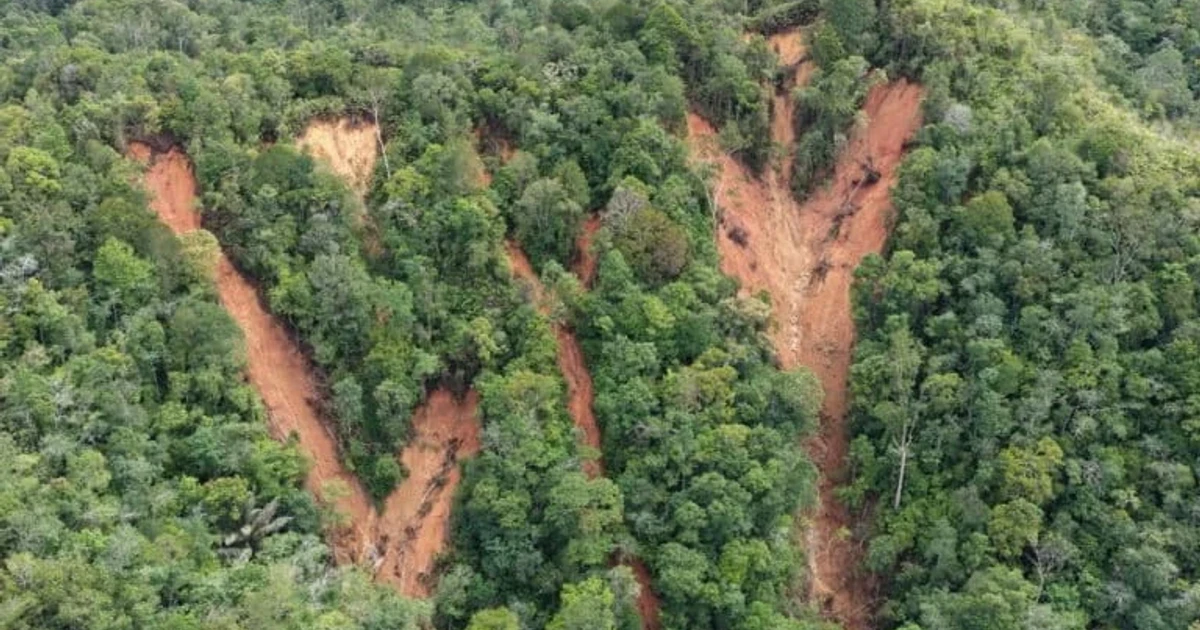
A climate-fueled storm tore through Sumatra’s Batang Toru Ecosystem and may have wiped out more than 5 percent of the world’s rarest great ape in a single disaster. Researchers estimate that about 58 Tapanuli orangutans died after torrents of water, mud and debris triggered landslides across the forest, a lethal shock for a species with fewer than 800 animals left in the wild.
The new study, published in Current Biology, tied the damage to Cyclone Senyar and the extreme rainfall that struck North Sumatra in November 2025. By overlaying satellite analysis of landslide scars with orangutan density maps, scientists estimated the storm killed about 7 percent of the species’ remaining wild population and roughly 11 percent of the West Block population. About 8,300 hectares of forest were affected, or nearly 11.7 percent of the West Block forest cover.
The findings sharpen the scale of a loss that was already visible in late 2025, when monitors reported carcasses in mud and log debris and lost contact with some animals. Earlier estimates suggested 33 to 54 orangutans may have died. The new analysis places the toll higher and argues that the storm was not just a weather event but a demographic blow to a species recognized only in 2017.
Climate change intensified the danger. The study found that human-induced warming increased the rainfall intensity by as much as 50 percent, with attribution analysis putting the increase in the range of 9 percent to 50 percent. In late November 2025, more than 1,000 millimeters of precipitation fell within six days across North Sumatra, a deluge that turned steep slopes into landslide zones and stripped away habitat the orangutans depend on.
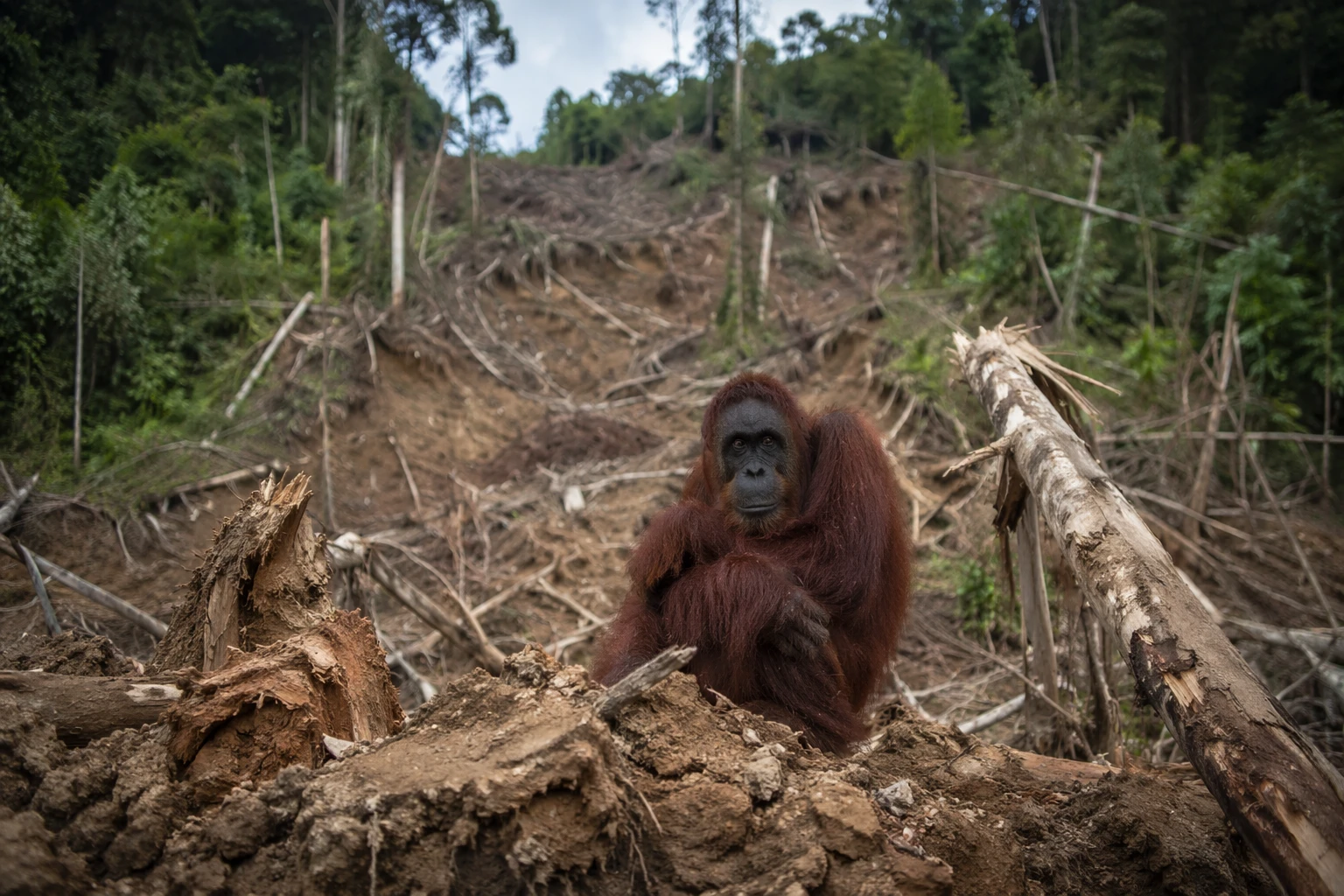
That matters far beyond one forest block. The Tapanuli orangutan survives in three isolated populations in Batang Toru, the West, East and South blocks, and the disaster hit the western block especially hard. Conservationists have called the destruction there an "extinction-level disturbance," a phrase that reflects a deeper warning: habitat loss, human-wildlife conflict and climate-amplified extremes are colliding faster than recovery plans can respond.
Researchers and conservationists say the response now has to match the scale of the loss. That means stronger protection for the Batang Toru Ecosystem, an end to habitat-damaging development and sustained funding for species recovery. For the Tapanuli orangutan, a storm that lasted days may have erased years of conservation progress in a single season.
Sources
- [1]nytimes.com
- [2]ntu.ac.uk
- [3]ljmu.ac.uk
- [4]publications.planet.com
- [5]news.mongabay.com