World
Climate-vulnerable nations launch financing pact to cut borrowing costs
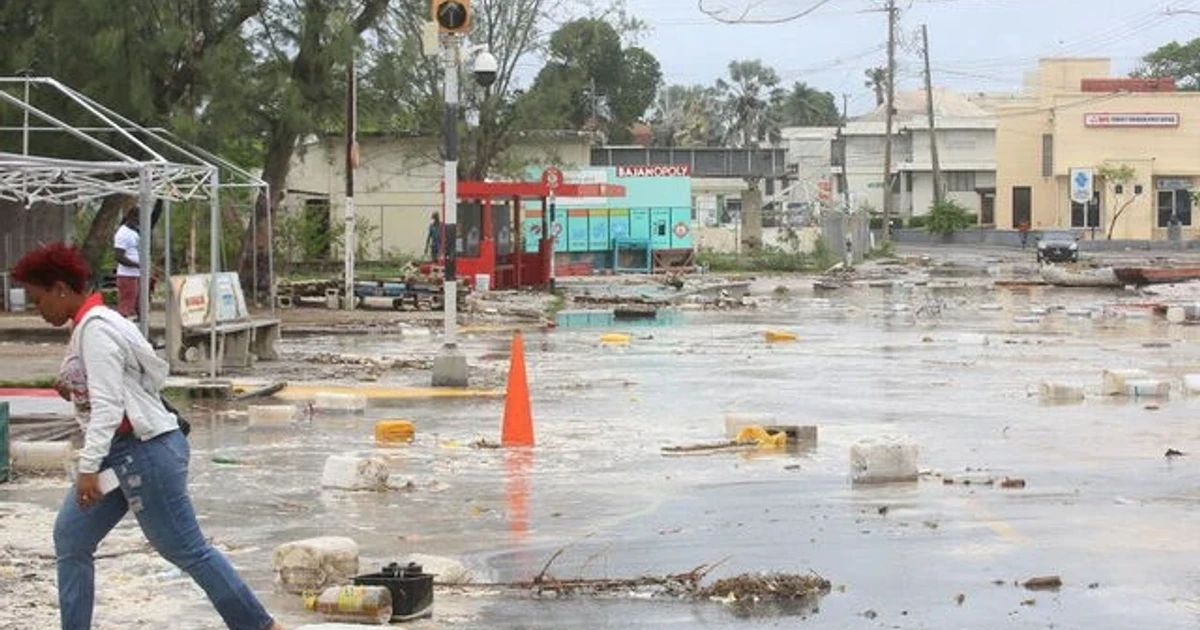
The world’s most climate-vulnerable economies have opened a push to replace ad hoc disaster relief with a standing financing system designed to make borrowing cheaper, faster and more predictable after floods, droughts and other climate shocks. The Vulnerability to Viability Compact, launched on June 23 in Vienna, brought together 74 economies and more than a dozen multilateral lenders in a bid to change how the financial system prices climate risk.
The compact is being advanced by the Climate Vulnerable Forum and its V20 finance ministers, a South-South platform of countries exposed to the heaviest climate losses. Together, the 74 members represent about 1.7 billion people, 7.3% of global emissions and roughly $4.1 trillion in GDP. Their case is built on a stark economic imbalance: countries that are hit repeatedly by hurricanes, droughts and floods often pay more to borrow because investors treat their sovereign risk as unusually high, even when the underlying damage is driven by climate exposure rather than fiscal indiscipline.
The new framework seeks to widen access to affordable concessional finance, mobilize private capital and create shock-responsive debt tools that can pause repayments during crises. It also points to priority investments in water, education and health systems, which the compact describes as the foundations of human security. The World Bank has already broadened its Climate Resilient Debt Clauses to cover droughts, floods and pandemics, signaling that the compact is building on a broader shift toward lending terms that respond automatically when disasters strike.
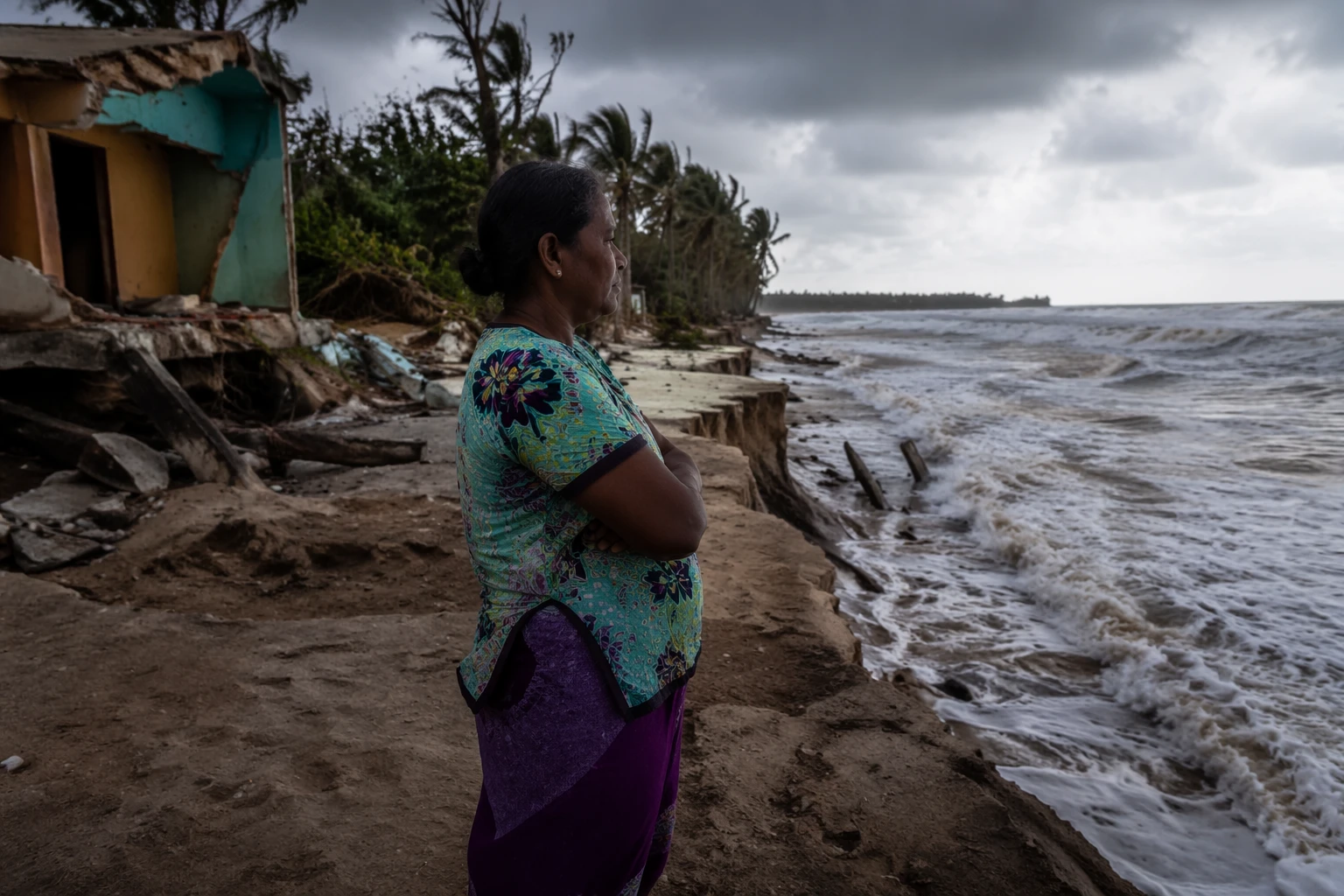
The financing debate is also a debt debate. Barbados Prime Minister Mia Mottley, one of the initiative’s strongest backers, argued that it is unfair for countries to repay debt for sanitation systems or schools over just 10 to 20 years when the infrastructure lasts much longer. Her argument goes to the heart of the compact’s logic: if climate shocks can trigger repayment pauses and longer maturities, vulnerable countries may be able to protect spending on resilience instead of cutting it to service debt.
The stakes are large. The V20 says climate change has already erased about one-fifth of the wealth of its economies, equal to roughly $525 billion over the last two decades, with the most exposed members losing more than half of their growth since 2000 to climate-related damage. The group plans to release a more detailed white paper at the World Bank and International Monetary Fund annual meetings in Thailand in mid-October, a moment that will test whether the compact can move from principle to policy. If it does, the climate-finance system could shift from episodic emergency aid toward a more rules-based structure that lowers borrowing costs and delivers cash faster when the next shock hits.
Sources
- [1]usnews.com
- [2]opecfund.org
- [3]cvfv20.org
- [4]worldbank.org