Business
Clorox raises sales outlook as demand improves
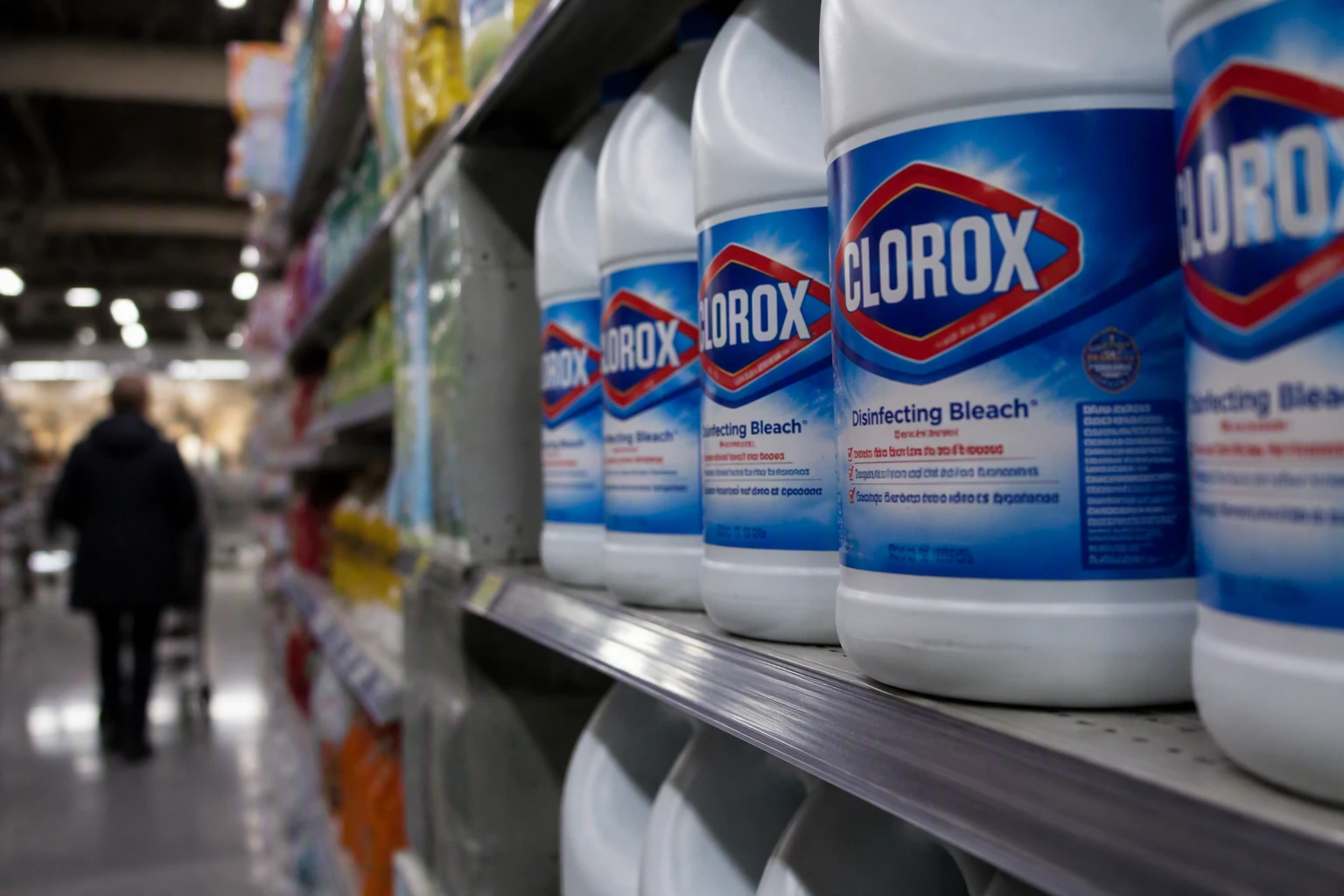
Clorox lifted its annual sales outlook as demand improved, a notable signal from a company that is often treated as a bellwether for staple goods. The household-products maker sits in categories where consumers still have to buy regularly, including cleaning products, disinfectants and other home-care items, so its tone on demand can offer a read on how much pressure shoppers are still feeling.
The better outlook comes after several years in which inflation, discounting and changing shopping patterns pushed households to trade down and forced consumer brands to defend volume with promotions and pricing moves. A stronger sales forecast suggests those headwinds may be easing, or that Clorox has adapted enough through product mix, pricing and cost control to keep core brands moving off shelves.
That matters because Clorox’s business is tied closely to everyday retail behavior. If demand is improving, supermarkets and big-box stores are likely moving inventory more smoothly, while consumers appear willing to keep paying for trusted essentials even as they stay selective elsewhere. For investors, a firmer sales outlook can also support expectations for margins and earnings, especially if pricing is not eroding volume as much as feared.
Clorox’s message also fits into a broader earnings-season pattern in which companies have sounded more confident about demand. Onsemi raised its revenue forecast on surging AI data center chip demand, Labcorp raised its annual profit forecast on strong testing demand, and Marriott lifted its annual room revenue growth forecast. Together, those updates point to management teams seeing clearer demand signals across different parts of the economy, even if the consumer backdrop remains uneven.
For Clorox, the immediate question is whether improving sales reflect a real turn in household confidence or simply a reset in inventory and pricing after a difficult stretch. Either way, the company’s forecast suggests that one of the most closely watched consumer categories is no longer sending the same warning signal it did during the height of inflation pressure.
Sources
- [1]reuters.com