Lifestyle
Clover Restaurants to Close After 17 Years in Boston
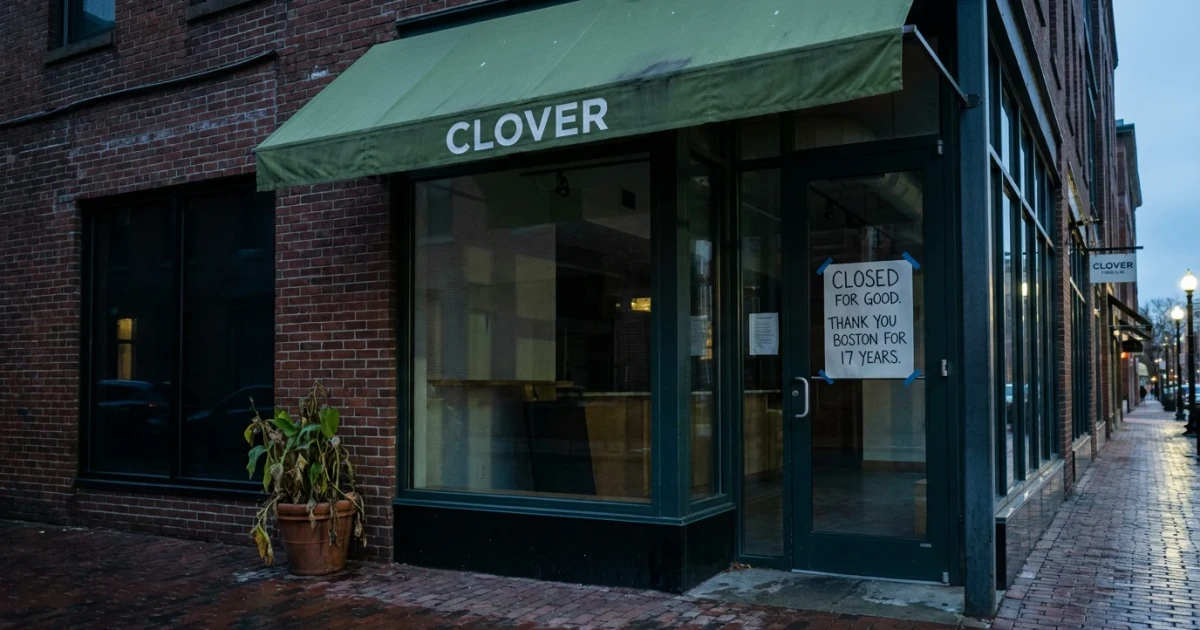
Clover, the popular Boston-based fast-casual chain known for its vegetarian and plant-forward menu, is closing all locations after more than 17 years of operation. The decision, first reported by The Boston Globe, signals the end of a brand that helped define a new wave of quick-service dining in the city and beyond.
End of a Local Landmark
Launched in 2008, Clover quickly gained a reputation for its innovative approach to healthy, accessible food. Over the years, the brand expanded from a single food truck at MIT to a network of brick-and-mortar restaurants across Greater Boston. The company’s focus on locally sourced ingredients and a rotating seasonal menu attracted a loyal following among students, professionals, and families seeking alternatives to traditional fast food.
Although The Boston Globe’s report did not specify the reasons behind the closure, industry observers note that the Boston restaurant landscape has faced mounting challenges in recent years. According to the Annual Report of the Massachusetts Restaurant Industry, restaurant closures have outpaced openings since the pandemic, with higher operating costs, supply chain volatility, and shifting consumer habits cited as major factors.
Economic Pressures in the Industry
Boston’s restaurant sector has been particularly hard-hit by inflation and labor shortages. Data from the Boston Consumer Price Index shows that food and beverage prices have continued to rise, increasing the cost burden for both restaurants and diners. Meanwhile, the State of the Restaurant Industry Report notes that fast-casual concepts like Clover are not immune to these pressures, with many struggling to maintain profitability in a rapidly changing market.
- Rising food costs and supply chain disruptions have made menu planning more difficult.
- Labor shortages have forced many establishments to reduce hours or close locations.
- Increased competition from delivery apps and ghost kitchens has reshaped consumer expectations.
Impact on Boston’s Food Scene
Clover’s closure comes amid a wave of local restaurant turnover, as documented in the City of Boston’s official records. The chain’s departure leaves a gap for Boston diners who embraced its commitment to sustainability, transparency, and plant-based innovation. Clover’s prominence as a locally grown business also underscores the broader challenges facing independent operators in a highly competitive market.
For many in the city, Clover was more than just a place to eat—it was a brand that embodied Boston’s evolving food culture. Its closure may prompt both industry leaders and policymakers to further examine the structural pressures confronting small and mid-sized restaurant groups.
Looking Ahead
While the end of Clover’s run marks a significant moment for Boston’s restaurant community, the challenges it faced are shared by many in the industry. As consumers continue to demand healthy, sustainable options, new concepts may emerge to fill the void left by Clover’s closure. For now, the chain’s legacy as a pioneer of plant-based fast-casual dining in Boston will remain a key chapter in the city’s culinary history.