Politics
CM Vijay’s Absence at Satheesan’s Oath Ceremony Fuels Alliance Speculation
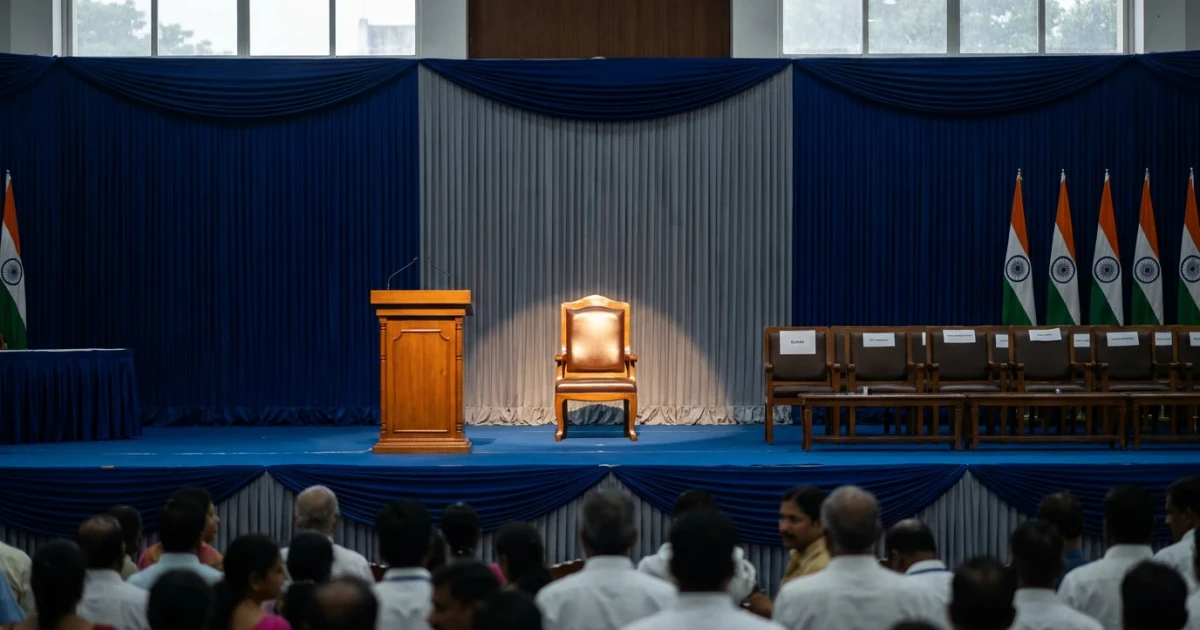
Tamil Nadu Chief Minister Vijay was noticeably absent at Congress leader Satheesan’s swearing-in ceremony, a move that has ignited fresh discussions about political alliance dynamics and perceptions in South India. The event, held in Kerala, was expected to signal ongoing cooperation between the two major parties, but Vijay’s absence has instead raised questions about the strength and future of the partnership.
Alliance Optics and Political Context
Alliance formations are a recurring theme in southern Indian politics, where optics often play a critical role in shaping voter perceptions. According to Ommcom News, Vijay’s decision not to attend Satheesan’s oath ceremony has led to speculation regarding the current standing of the alliance between the Dravida Munnetra Kazhagam (DMK) and the Congress in Tamil Nadu and Kerala.
Recent research on political alliance dynamics in South India underscores the importance of public gestures and shared events in maintaining alliance unity. The optics of high-profile leaders attending each other’s milestones often serve to reassure party cadres and voters of ongoing cooperation. Vijay’s absence is being interpreted by some analysts as a signal that the DMK-Congress partnership may be facing internal challenges or strategic recalibration.
Implications for State Politics
- The DMK and Congress have historically collaborated in both Tamil Nadu and Kerala, with shared electoral strategies and mutual support for key legislative initiatives.
- According to the Indian Political Data Archive, alliance performance has been crucial in determining the outcome of recent state assembly elections.
- Satheesan’s new role as a sworn-in leader in Kerala is documented in the official records of the Kerala Legislative Assembly, highlighting his importance to Congress’s regional strategy.
While there has been no official statement from Vijay or the DMK regarding the decision, party insiders and observers speculate that the absence may have been intentional, meant to convey a message either internally or to coalition partners. Such gestures can have wide-ranging impacts on alliance negotiations, legislative cooperation, and voter mobilization efforts ahead of upcoming elections.
Voter Perceptions and Demographic Factors
Public reactions have varied, with some viewing the absence as a routine scheduling issue, while others believe it signals deeper fissures within the alliance. In regions like Tamil Nadu and Kerala, where demographic diversity shapes party strategies, such incidents can influence how different communities interpret political relationships. The optics of unity, or lack thereof, are often amplified by local media and grassroots party workers.
Looking Ahead: Alliance Stability and Legislative Activity
While this incident has sparked debate, the alliance’s stability will ultimately depend on legislative cooperation and shared policy goals. As tracked by PRS Legislative Research, party attendance, bill sponsorship, and joint initiatives remain key indicators of active collaboration. Whether Vijay’s absence is a harbinger of alliance strain or merely a minor blip will become clearer as both parties navigate upcoming legislative sessions and election cycles.
Ultimately, the optics of leadership and alliance gestures, as highlighted by this episode, continue to play an outsized role in South Indian politics. Observers will be watching for further signals from both DMK and Congress to gauge the partnership’s trajectory.