Health
Coast Guard rescue crews face hidden brain injury risk from wave impacts
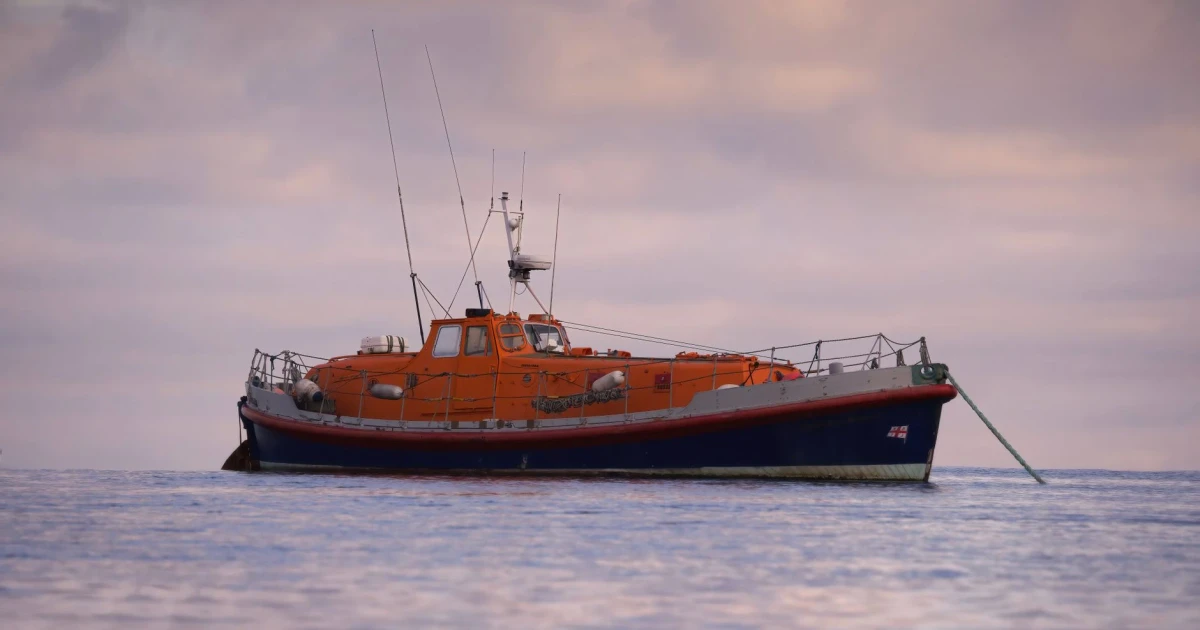
Coast Guard rescue boat crews are taking repeated wave slams in rough water while the service does not appear to be actively looking for the brain injuries those impacts can cause. The Coast Guard does maintain a Traumatic Brain Injury Program, CG-1121, but the gap between that program and the reality of surf rescue work leaves elite boat crews exposed without the kind of systematic detection used in other high-risk fields.
Those crews are not casual boat operators. Coast Guard Surfmen are elite boat operators who specialize in surf and heavy weather conditions, and a U.S. Coast Guard video posted on April 3, 2023, said candidates must complete the Surfman Course at the National Motor Lifeboat School in Ilwaco, Washington. That training reflects the violence of the job, where rescue boats slam into steep seas and crews are jarred by repeated impacts rather than a single obvious blow.
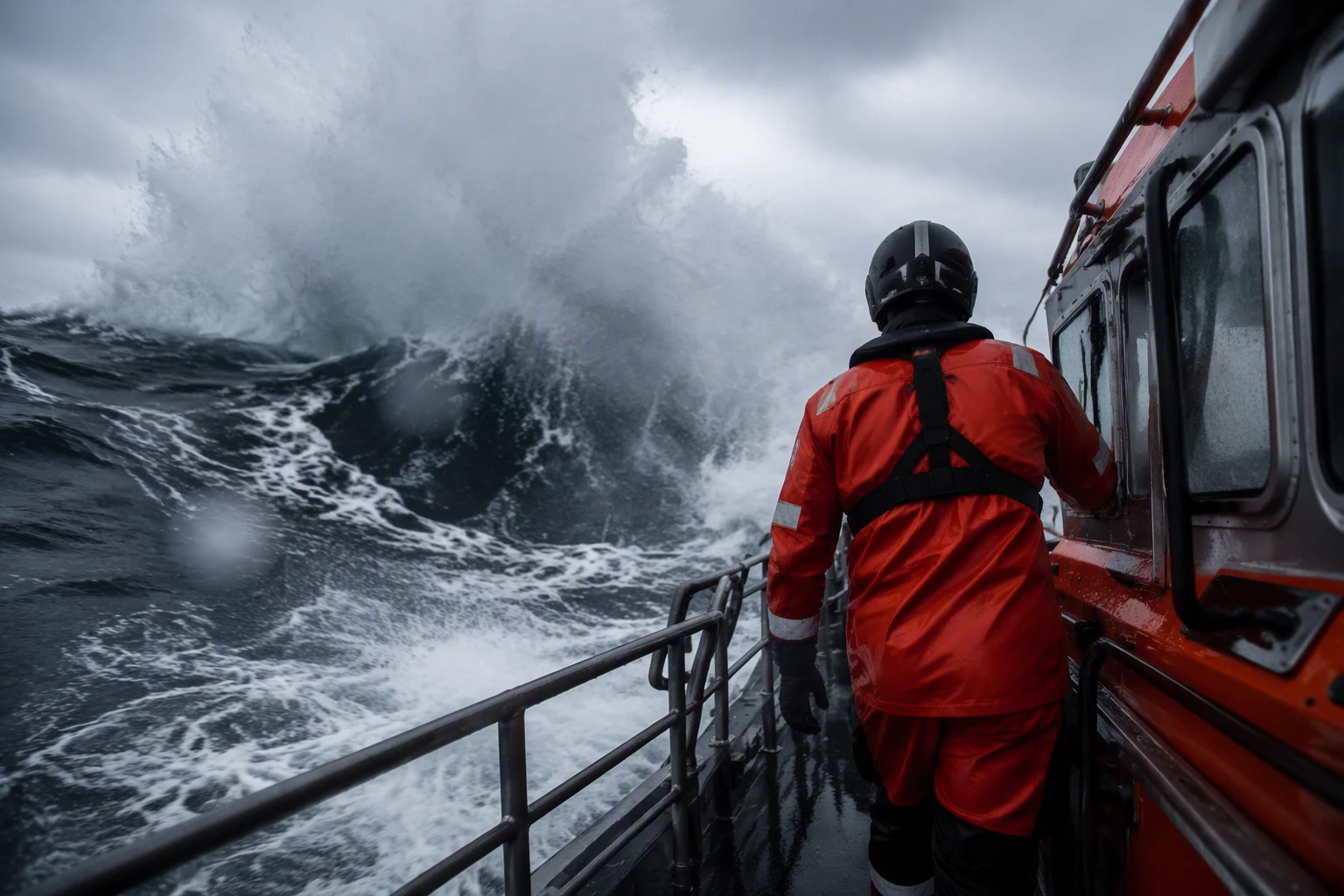
The military has already documented how punishing that kind of motion can be. In a November 12, 2024 report, members of the Navy’s Special Boat Teams were described as experiencing sudden jerks of up to 64 times the force of gravity. A 1994 Navy study that used sensors on boats found crews experienced more than 120 whiplash events per hour. The same reporting described repeated high-speed wave-slamming impacts as the kind of trauma that can damage careers and lives.
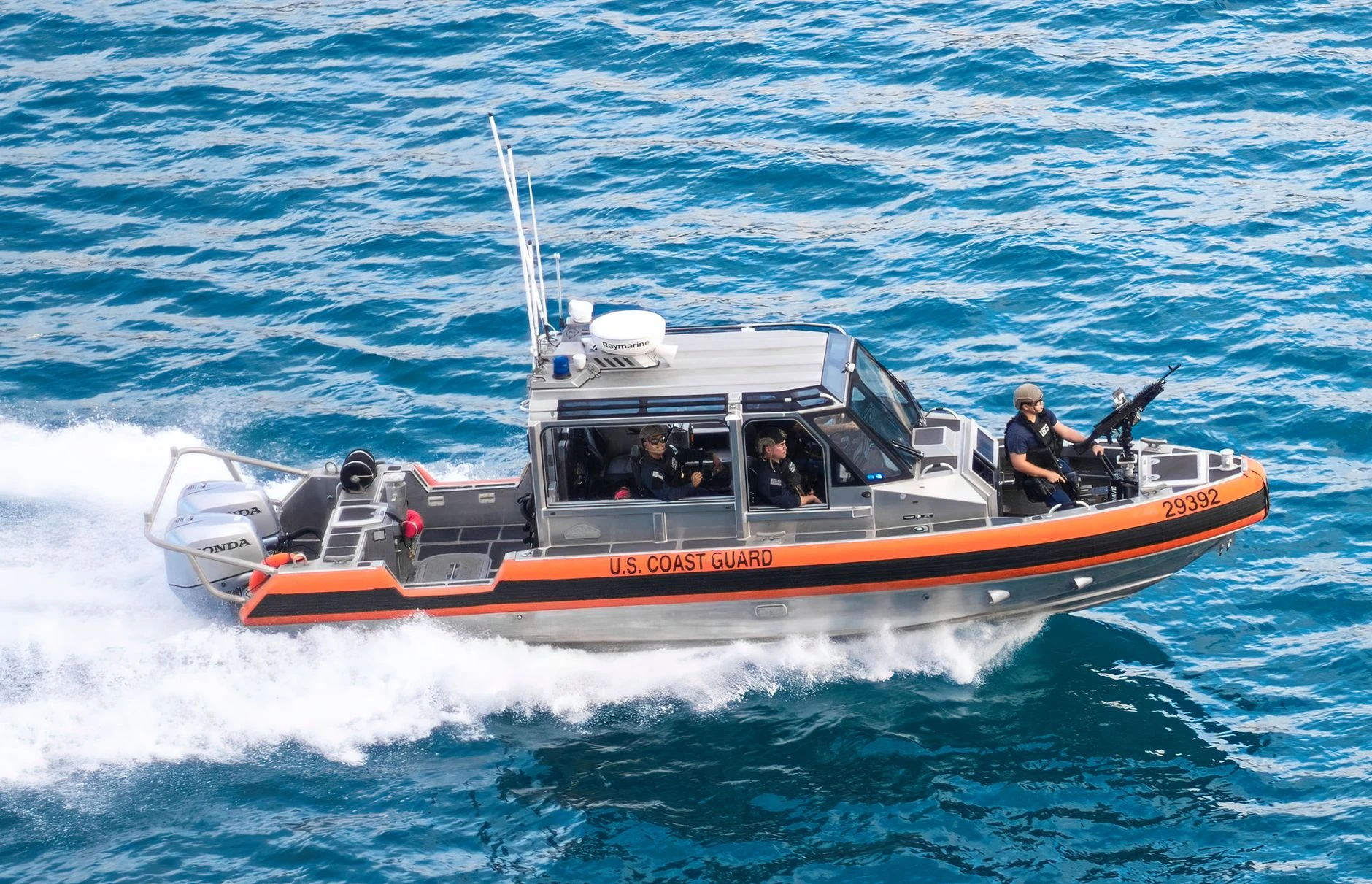
A 2022 study of military high-speed boat slamming found that 33 percent of respondents reported losing consciousness onboard, while 70 percent said they had impaired capacity to perform after impacts. In 2025, a JAMA Network Open case study described severe chronic traumatic encephalopathy in a U.S. Naval Special Warfare combatant crewman exposed to repetitive high-speed boat impacts with waves. Together, those findings point to a pattern of injury that is easy to miss if no one is looking for it.
The risk is not confined to the United States. A 2025 article from Pro Patria Centre described traumatic brain injury in Australian special forces boat crews as an urgent call for action, underscoring that the problem crosses services and borders. That matters for Coast Guard rescue crews because undiagnosed brain trauma can leave crews impaired on the job and, later, can leave veterans without the recognition and care tied to service-related injury.
Sources
- [1]nytimes.com
- [2]usmedicine.com
- [3]pmc.ncbi.nlm.nih.gov
- [4]propatria.com.au
- [5]dcms.uscg.mil
- [6]youtube.com