Lifestyle
Coffee Culture Thrives Among Gen Z and Millennials
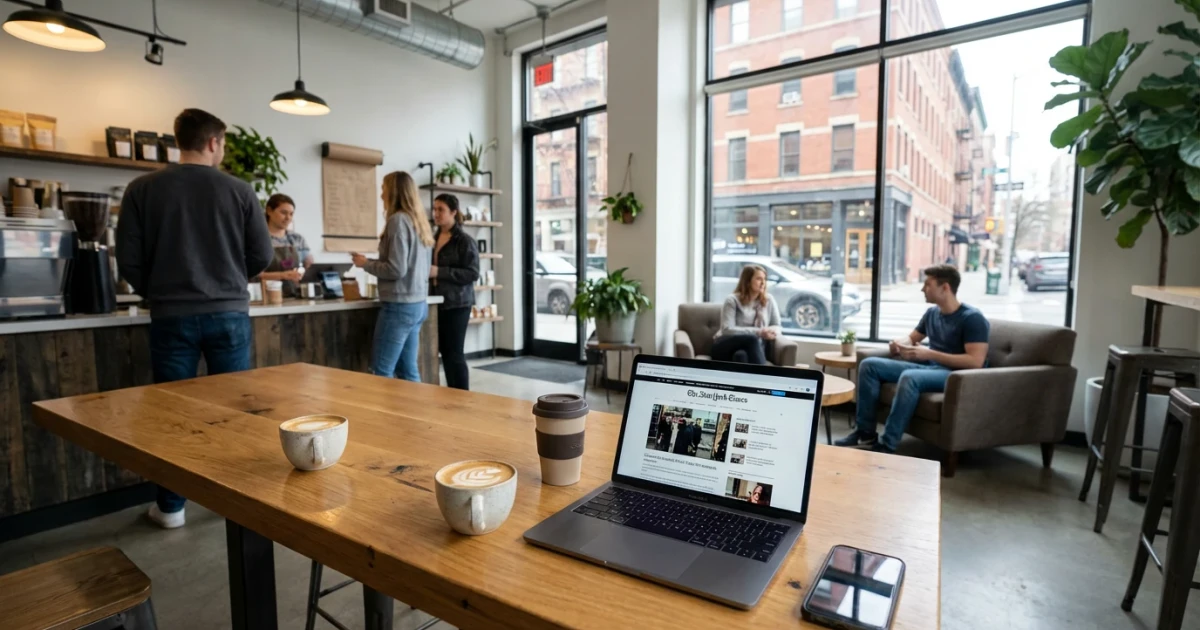
Coffee has evolved from a morning necessity to a powerful lifestyle symbol for Gen Z and millennials, reshaping the U.S. beverage market and social landscape. As new preferences and cultural values emerge, the younger generations are fueling changes in how, where, and why America drinks its coffee.
The Rise of Cafe Culture
For Gen Z and millennials, coffee shops are more than just places to grab a cup—they’re social hubs, workspaces, and creative venues. The latest data shows the U.S. cafe and coffee shop industry has grown to over $50 billion in market size, much of it driven by younger consumers seeking experiences over commodities. This generation values the ambiance, connectivity, and community that cafes provide, often using these spaces for remote work, meetings, and socializing.
- More than 60% of millennials report visiting coffee shops at least once a week, according to industry statistics.
- Gen Z’s interest in local and specialty cafes has led to increased demand for unique, Instagrammable beverages and atmospheres.
Hustle Mindset and Personal Branding
Coffee has become intertwined with the "hustle culture" that defines much of Gen Z and millennial life. Carrying a cup from a favorite cafe or posting a latte art photo is seen as an extension of personal brand and ambition. The association of coffee with productivity, creativity, and self-expression is reflected in everything from TikTok trends to workplace habits.
MSN notes that these generations perceive coffee as a tool for both focus and social connection, often weaving it into their routines as a ritual that supports their dynamic, on-the-go lifestyles.
Specialty, Sustainability, and Customization
The younger demographic isn’t just ordering regular drip coffee. They’re driving the surge in specialty coffee, cold brews, and plant-based alternatives. Key trends include:
- Preference for unique flavors (like lavender lattes or matcha-infused drinks)
- Interest in sustainable sourcing and ethical brands
- Demand for customization, with alternative milks and sugar-free options
According to the 2024 NCA Atlas of Coffee, nearly half of 18-34 year-olds choose specialty coffee drinks over traditional options, citing taste, quality, and environmental factors.
Social Media and Lifestyle Influence
Social platforms play a major role in shaping coffee trends. Viral content around “coffee reviews,” barista skills, or the latest seasonal drinks influences purchasing decisions. For many, coffee moments are crafted to be shared, whether it’s a snapshot of latte art or a video about new brewing gadgets.
Pew Research Center highlights that social and lifestyle factors are primary motivations for coffee consumption among these groups, surpassing even the traditional need for caffeine.
What’s Next for Coffee in 2026?
As Gen Z and millennials continue to shape market demand, experts predict further growth in:
- Ready-to-drink (RTD) products tailored to health and convenience
- Experiential coffee events and pop-ups
- Greater transparency in sourcing and environmental impact
- Innovative brewing techniques and flavors
The latest research points to Gen Z and millennials as the primary forces behind the growth and transformation of the U.S. coffee industry. Their values and preferences are setting the agenda, and the sector is responding with new products, experiences, and messaging tailored to their tastes.
Conclusion
Coffee’s transformation into a lifestyle statement is the result of shifting generational values, social media influence, and a desire for personalization. As 2026 approaches, the beverage’s role as a symbol of culture, identity, and community among Gen Z and millennials shows no sign of slowing down. For brands, cafes, and consumers alike, the cup of coffee is no longer just about the drink—it’s about what it says about you.