Health
Cognitive Shuffling Emerges as Promising Sleep Aid
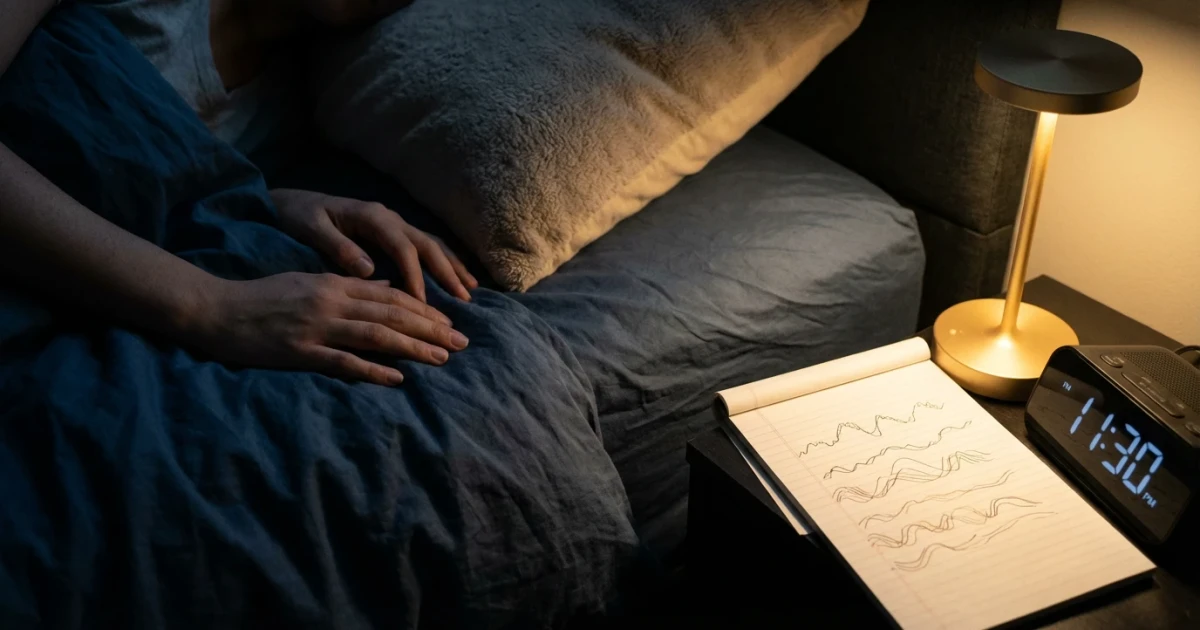
Cognitive shuffling, a novel mental technique, is gaining recognition as an effective and accessible method for those struggling to fall or stay asleep. Recent coverage by The Washington Post has highlighted how this approach, sometimes described as a “micro-dreaming game,” is being adopted by insomnia sufferers seeking non-pharmaceutical solutions.
What Is Cognitive Shuffling?
Cognitive shuffling involves mentally jumbling random words, images, or scenarios to occupy the mind just as you’re trying to sleep. Instead of focusing on daily worries, you distract your brain with unrelated and nonsensical sequences, such as picturing objects that start with a certain letter or imagining a series of unrelated scenes. This technique is designed to mimic the natural flow of thoughts during the onset of sleep, essentially nudging the brain toward a state similar to the transition into dreaming.
Why Sleep Eludes So Many
According to data from the Centers for Disease Control and Prevention, about 1 in 3 American adults are not getting enough sleep on a regular basis. The American Sleep Association reports that roughly 30% to 40% of adults experience symptoms of insomnia each year, with 10% to 15% suffering from chronic insomnia that impacts their daytime functioning. As The Washington Post notes, the search for safe and accessible solutions has intensified, especially as concerns grow over dependence on prescription sleep medications.
How Cognitive Shuffling Works
- Lie comfortably in bed and close your eyes.
- Pick a simple word, such as “dog.”
- Imagine objects or scenarios that start with each letter in sequence: D (door), O (orange), G (giraffe).
- Let your mind wander to each image, resisting the urge to focus on worries or to-do lists.
- Continue generating random, unrelated images—this "shuffles" your mental deck and paves the way to sleep.
This method distracts the brain from stressful or ruminative thoughts, which are known to interfere with the natural process of falling asleep. As The Washington Post explains, the brain’s tendency to latch onto anxieties can keep it in a state of alertness, but cognitive shuffling helps break this cycle.
Research and Effectiveness
Emerging research supports cognitive shuffling’s potential to reduce the time it takes to fall asleep, known as sleep onset latency. In peer-reviewed studies, participants practicing random-word or image distraction techniques consistently reported falling asleep more quickly than those using traditional relaxation methods. An official clinical trial on cognitive shuffling for insomnia also outlines its methodology and positive outcomes, suggesting that this technique could become a mainstream tool for improving sleep hygiene.
Comparisons and Considerations
While techniques like mindfulness meditation and progressive muscle relaxation remain popular, cognitive shuffling stands out for its simplicity and adaptability. It requires no special equipment, apps, or training, making it accessible for people of all ages. The Washington Post article emphasizes that while no technique is a cure-all, cognitive shuffling can be a valuable addition to a healthy sleep routine—especially for people who find their minds racing at bedtime.
Looking Ahead
With millions struggling with sleep issues nationwide, non-pharmaceutical interventions like cognitive shuffling offer significant promise. As further research emerges and awareness grows, this simple mental exercise may become a go-to recommendation for anyone searching for peaceful slumber.